
Reviewed · HIKING & TREKKING
3-days Scheduled Lalibela Churches & Abune Yosef Trekking
Lalibela’s famous churches are only half the story. This three-day trip takes you above town to Mount Abune Yosef, where high-altitude trails lead through mountain villages, coffee ceremonies, grazing animals, and open views. You also spend a night in Ade Medhamialem, a chance to see daily life beyond the church complex.
I like the strong mix of culture and walking. You get the UNESCO churches, but you also meet village families, visit a local school, and look for Gelada baboons. I also like that the trip is built around community-based tourism. The main caution is the effort: 45 kilometers over three days, with one day covering more than 18 kilometers at heights reaching about 4,200 to 4,280 meters.
Key points before you book
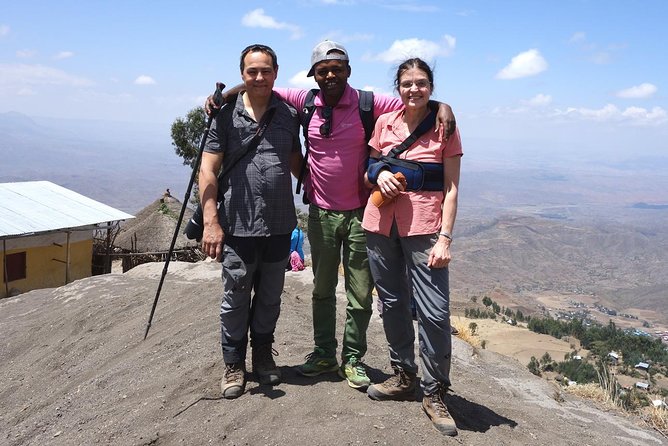
- Sleep in Ade Medhamialem village: Your overnight stay puts you in a mountain community rather than keeping you in Lalibela hotels each night.
- Climb to about 4,200 meters: Day two reaches the top of Mount Abune Yosef and is the most demanding part of the trip.
- Look for Gelada baboons: These distinctive Ethiopian highland animals are one of the memorable wildlife possibilities along the route.
- Join a mountain coffee ceremony: This is one of the most personal ways to encounter local hospitality during the trek.
- Finish with Lalibela’s churches: The final afternoon includes the UNESCO World Heritage churches, including St. George.
- Travel in a small group: The maximum group size is 16, with a guide and porter support.
Why this three-day route works so well
You get two very different sides of Lalibela in a short span. The first two days are about highland walking and village life. The third returns you to the carved churches that put Lalibela on the map.
That combination matters. A church-only visit can feel focused on monuments, while a trek-only itinerary could leave out the place’s most important historic sight. Here, the stone churches provide the grand finale, and the mountain route gives you time to slow down and see how people live outside town.
The trip is also designed around local participation. You are not simply driven from one viewpoint to another. You walk between villages, eat meals along the way, sleep in a rural settlement, and take part in a coffee ceremony. Those details give the journey a human scale.
The guides named in the supplied information include Sami, Joseph, and Moges. The exact guide assigned to your departure may differ, but the experience is clearly guide-led, with a trekking guide and porter organizing the route and carrying materials by donkey where needed.
More hikes and treks around Lalibela:
- Trekking in Ethiopia’s Lalibela Wollo Highland 4 Days / 3 Nights
★ 5.0 · 6 reviews - Day Hike Around Lalibela
★ 5.0 · 5 reviews - Lasta Mountains: Highland Eco Trekking Tour in Lalibela
★ 5.0 · 4 reviews
Day one: Asheton Maryam and the climb into village country
Your trekking arrangements begin with a meeting at the operator’s office in central Lalibela, next to the Ethiopian Airlines office. This meeting takes place the day before departure and is used to confirm the plan and explain the route with a site map.
At about 7:45 the next morning, the guide and porter meet you at your hotel reception. From there, you organize the material carried on the donkey and begin from the office. A short vehicle transfer may be involved in reaching the trailhead, but the details of transportation to attractions are not included in the listed price, so you should clarify that point before setting out.
The first destination is Asheton Maryam Monastery, a mountain church reached by an eco-trekking route. The stop adds an important religious and historic layer before the route turns toward Ade Medhamialem, Asheton, Hudad, and the high slopes of Abune Yosef.
This first day lasts about seven hours. It is not described as technically difficult, and the overall grade is listed as easy, but altitude changes the feel of any walk. You will want to set a steady pace rather than trying to hurry uphill. The guides can take the climb slowly, an especially useful feature if your group includes people with different hiking abilities.
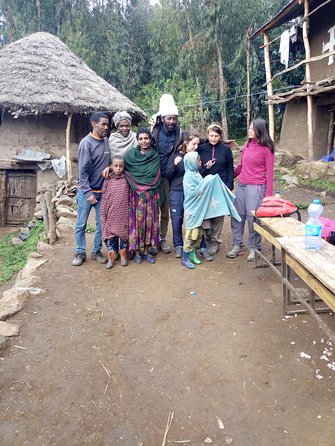
The rural setting is the real attraction. You may pass simple homes, cultivated slopes, horses, cows, and green meadows. The route is not a polished park trail, and that is part of its appeal. You are moving through places where farming and herding remain part of ordinary life.
One of the day’s best moments is the mountain-village coffee ceremony. Coffee is not treated as a quick drink here. The ceremony gives you a chance to sit with local people and see hospitality in action. For a first visit to Ethiopia, this may be more revealing than another formal sightseeing stop.
You sleep at Ade Medhamialem village. The accommodation is described through the local community experience rather than hotel-style comforts, so keep expectations simple. One practical tip is to bring a sleeping bag if you can. Extra blankets are provided, but mountain nights can still feel cold at high altitude.
Day two: reaching Mount Abune Yosef at 4,200 meters
Day two begins early after breakfast. You walk toward Tegu Kebele and visit the small and big Ziget mountains before continuing to Mount Abune Yosef.
This is the longest and toughest day, with more than 18 kilometers of walking and a total duration of about 10 hours. The route reaches roughly 4,200 meters, while the tour information gives the highest altitude as about 4,280 meters. Even with an easy grade rating, this is not a casual stroll.
The key is to judge the day by time and altitude, not just by the word easy. At high elevation, a moderate slope can feel harder, and the long distance leaves less room for a late start or a rushed lunch. You should be comfortable walking for many hours and should tell your guide if your pace or breathing needs attention.
Lunch is taken on Mount Abune Yosef. The setting is the reward: high mountain views over valleys and scattered settlements, with the air and open space that make the climb worthwhile. You then return to Ade Medhamialem village for the night.
Wildlife adds another reason to keep your eyes open. Gelada baboons are a highlight of the highlands, and you may see herds during the walk. The route also offers a chance to spot the Lammergeier, one of the area’s largest birds. Sightings are not guaranteed, but the possibility makes the walking more engaging.
This day also shows why a local guide matters. The route is tied to villages, mountain features, and community areas rather than only to a single marked attraction. Guides such as Sami, Joseph, and Moges have been associated with this trek, and the supplied information places strong emphasis on patient support for people with mixed fitness levels.
If you are an experienced hiker, the distance may feel manageable. If you are not, the day can still work, but you need to be honest about your fitness and ready for a slow, full-day outing. The listing recommends a moderate fitness level, which is a more useful warning than the easy grade alone.
Day three: downhill to Lalibela and the carved churches
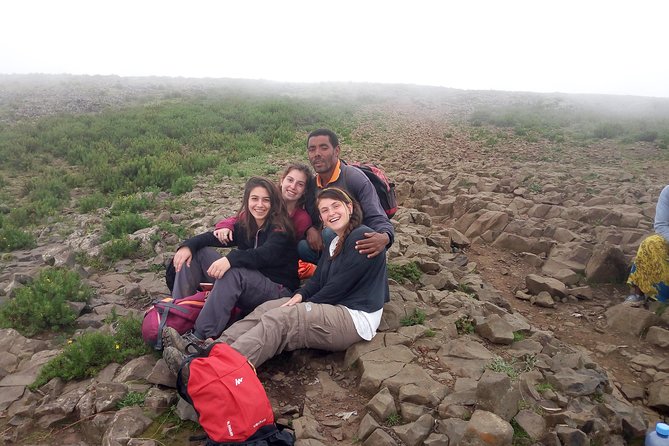
After breakfast, you walk downhill back to Lalibela. The route lasts about five hours before lunch, and the downhill direction may sound gentle after the summit day, but long descents can still be tiring on knees and feet.
Returning on foot gives you a clear sense of the change from mountain village to town. You have seen the region from above, and now you approach Lalibela after spending two nights in the surrounding highlands. That makes the church visit feel connected to the place rather than like a separate stop.
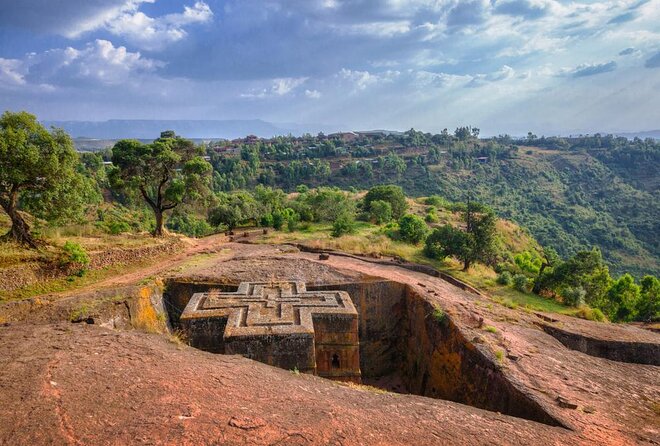
After lunch, the afternoon is given to Lalibela’s UNESCO World Heritage churches. The program includes St. George, the famous cross-shaped church carved into the rock, along with the wider church complex.
The timing is sensible. You spend the cooler morning walking downhill and reserve the afternoon for guided sightseeing. You should still expect a full day, especially after the long previous hike. Comfortable shoes remain useful at the churches, where uneven stone surfaces and steps are part of the visit.
The churches are the historical centerpiece, but they work best here as the final chapter. You have already encountered village life, religious sites outside town, and the mountain setting that surrounds Lalibela. The result is a broader understanding of the region than a short city tour can provide.
A few more Lalibela trips worth weighing up
- Visiting Lalibela churches
★ 5.0 · 40 reviews - Visit the rock hewn churches
★ 5.0 · 39 reviews - Tour 11 monolithic rock churches & museum in Lalibela & cave church with mummies
★ 5.0 · 37 reviews - Rock Churches of Lalibela Guided Tour
★ 5.0 · 27 reviews
What the $350 price includes
At $350 per person, this is not simply a walking guide with a few monument tickets. The cost includes hotel pickup and drop-off, a professional Lalibela churches and trekking guide, Lalibela church admission, park entrance, bottled water, two breakfasts, two lunches, and two dinners.
It also includes the porter arrangement and the village-based overnight part of the trek, according to the way the trip is organized. For three days of guided walking, meals, church admission, and park access, the package can offer solid value if you want one booking to cover the main costs.
The value is strongest for you if you want local contact and a structured route. You do not have to arrange a guide, find the village stay, organize the church visit, or work out how to connect Mount Abune Yosef with Lalibela.
There are a few costs and details to watch. Breakfast on the first day is not included. Alcoholic drinks cost extra, and transportation to attractions is listed as not included even though hotel pickup and drop-off are included. Ask what transport is needed for your specific departure so there are no surprises.
The group limit is 16 people. That is small enough for a guided walking experience, though it is not a private trek. If you want individual pacing or a quieter church visit, ask about private arrangements before booking.
The community side is the real differentiator
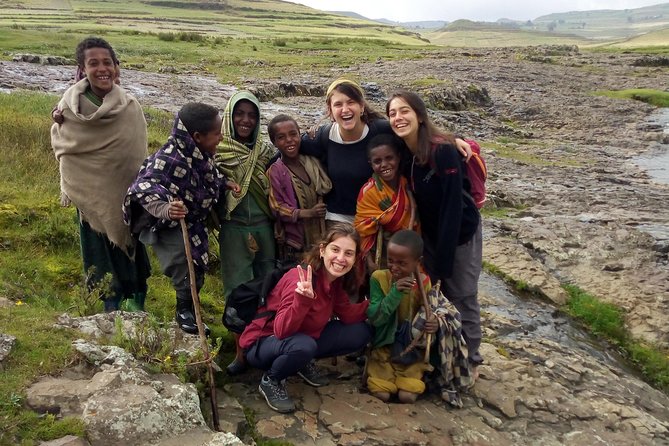
Many organized trips show you a place. This one tries to connect you with the people who live there.
Sleeping in Ade Medhamialem is central to that goal. You are not just looking at a village from a trail. You spend the night there, eat included meals, and experience the community as part of the route. The coffee ceremony adds a direct social exchange, while the local school visit mentioned in the experience details gives another glimpse into everyday life.
The setting is simple. You should not expect the services of a city hotel or a polished mountain lodge. That tradeoff is the point, but it also means you should pack with care and accept that comfort may be basic.
The sustainable-tourism model is another reason to choose this outing. The trip is presented as community based, with local benefits built into guiding, porter work, village stays, and meals. If you prefer spending money in ways that support rural communities, this design is more appealing than a quick sightseeing circuit.
Fitness, altitude, and packing advice
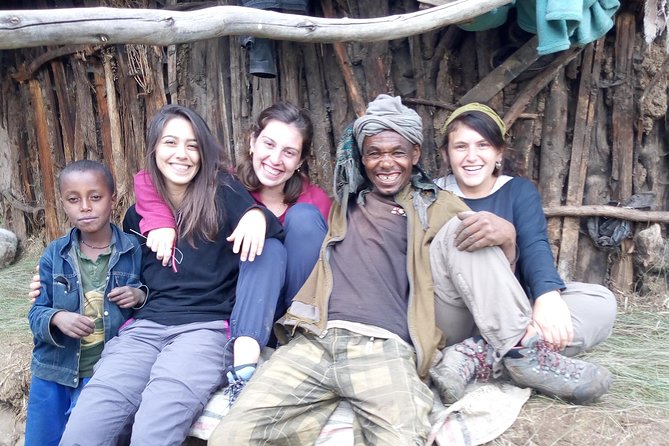
The tour is graded easy, but I would read that as easy by trekking standards, not easy for everyone. The total distance is about 45 kilometers, day two exceeds 18 kilometers, and the route reaches more than 4,000 meters.
You should be prepared for:
- Long walking days, including a roughly 10-hour second day
- High-altitude conditions on Mount Abune Yosef
- Uneven mountain paths and downhill walking
- Cool nights in the village
- Weather that can change, since the tour operates in all conditions
Pack layers and suitable walking clothing. Bring a sleeping bag if possible, since the operator specifically advises it, though blankets are provided. Carry any personal items you need for the overnight stay, and remember that the first day’s breakfast is your responsibility.
You do not need to be an elite hiker. The guides can set a measured pace, and the supplied information includes successful outings for groups with mixed hiking ability. Still, you should not book this if a full day of mountain walking sounds far outside your comfort zone.
Who should book this Lalibela trek?
I would choose this trip if you want Lalibela to be more than a church visit. It suits you if you enjoy walking, village stays, wildlife watching, and direct contact with local communities.
It is also a good fit for visitors who want a ready-made three-day plan. The route combines the main cultural sight, mountain scenery, meals, admission fees, and guiding without requiring you to piece together separate bookings.
You may want a different plan if you have limited mobility, dislike basic overnight accommodation, or want a slow schedule centered only on the churches. The 45-kilometer total and high-altitude summit day deserve serious consideration.
The departure days are Monday and Friday. Confirmation is received at booking, the trip operates in all weather, and service animals are allowed. You can cancel for a full refund up to 24 hours before the local start time, but cancellations or changes inside that window are not accepted.
Should you book it?
Book this three-day trek if you want the full Lalibela setting, not just the famous stone churches. The strongest reasons are the village overnight stay, coffee ceremony, Gelada baboon sightings, Mount Abune Yosef views, and the chance to meet local guides and communities along the route.
Before paying, make sure the long second day and high altitude suit you. Confirm the transport details, pack a sleeping bag if possible, and arrive ready for simple conditions. If you can accept those tradeoffs, $350 buys a well-rounded experience with much more personal contact than a standard church tour.
FAQ
How long is the Lalibela and Abune Yosef trek?
The experience lasts three days and includes about 45 kilometers of trekking.
Which days does the tour operate?
Departures are scheduled every Monday and Friday.
What is the highest altitude reached?
The route reaches Mount Abune Yosef at about 4,200 meters, with the total trekking altitude listed at approximately 4,280 meters.
Where do I sleep during the trek?
You spend the trekking night at Ade Medhamialem village.
Are meals included?
Two breakfasts, two lunches, and two dinners are included. Breakfast on the first day is not included.
Are the Lalibela church and park fees included?
Yes. The Lalibela Churches Entrance Fee and Park Entrance Fee are included.
Can I cancel for a full refund?
Yes, if you cancel at least 24 hours before the experience begins. Cancellations or changes made less than 24 hours before the start time are not accepted for a refund.
Just added around Lalibela
- Trekking in Ethiopia’s Lalibela Wollo Highland 4 Days / 3 Nights★ 5.0 · 6 reviews
- Lalibela Backpacker tours★ 5.0 · 6 reviews
- Lalibela churches Guided Tour★ 5.0 · 6 reviews
- Lasta Mountains: Highland Eco Trekking Tour in Lalibela★ 5.0 · 4 reviews
- The Rock-Hewn Churches of Lalibela: 3 Days / 2 Nights★ 5.0 · 6 reviews
- Lalibela Churches Day Tour★ 5.0 · 7 reviews
- Lalibela 2-Day Eco Trekking Tour★ 5.0 · 3 reviews
- Full Day Tour To The 11 Rock Hewn Churches Of Lalibela★ 5.0 · 5 reviews
Hiking & Trekking, compared.
5-Day Northern Ethiopia Tour : 3D Simien Mountains Trek & Axum.
Read our review →
4 Days Trekking to Simien Mountain National Park
Read our review →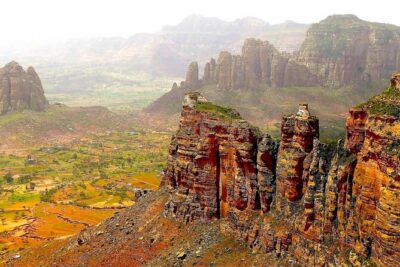
Browse the lists this tour appears in