
Reviewed · AXUM TOURS
Lalibela, Axum, Danakil and Omo Valley 8 DAYS
Lalibela’s churches are only the opening act. In eight days, you move from medieval stone sanctuaries to Axumite monuments, a smoking volcano, the salt flats of the Danakil Depression, and the villages of southern Ethiopia. It is a bold route, not a gentle holiday.
I like two things right away: the logistics are largely handled, and the small group is capped at 10. I also like the variety of transport, since domestic flights save you from spending every day on the road. The main drawback is the pace. Erta Ale, Danakil, and the Omo Valley demand early starts, rough driving, heat, and a reasonable level of fitness.
Key points to know before booking
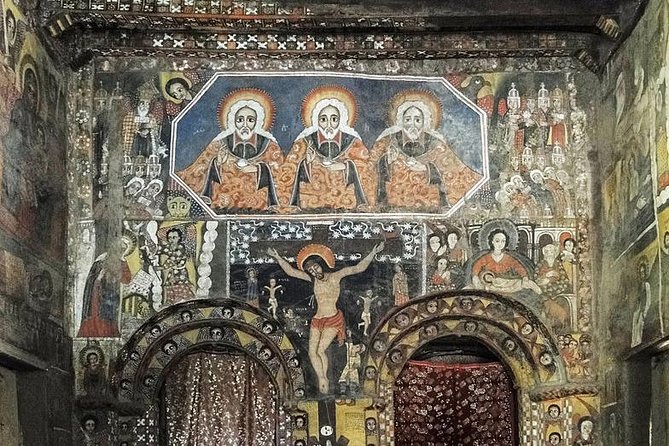
- Lalibela begins the trip with UNESCO-listed rock churches, carved during the reign of King Lalibela between 1181 and 1221.
- Erta Ale requires a rough 80-kilometer approach and a hike, with a chance to see one of the world’s few permanent lava lakes.
- The Danakil section is exceptionally hot and basic, with camping-style conditions and long road transfers.
- The Omo Valley brings direct contact with Ari, Mursi, Hamer, and Konso communities, but you should approach these visits with care and respect.
- Domestic flights, accommodation, breakfast, entrance fees, local guides, and village payments are included, which makes the $2,051.29 price easier to assess.
- The tour ends with a hotel drop-off in Addis Ababa, making it practical if you are continuing your Ethiopia trip from the capital.
Why this eight-day route is unusually ambitious
Most Ethiopia trips focus on one region. This one tries to connect the northern highlands, the Afar desert, and the southern Omo Valley in a single sweep. You get an impressive range of places, but you pay for that range with early mornings, long transfers, and little free time.
The tour starts in Lalibela at 7:00 a.m. and ends with a drop-off at your Addis Ababa hotel. Pickup is offered in Lalibela and Addis Ababa, and the group can include up to 10 people. That limit matters. A small vehicle is far more practical on rough roads than a large coach, and a small group usually makes airport transfers and local visits easier to manage.
Transport combines domestic flights with an air-conditioned vehicle. Air conditioning will matter in the Danakil and Omo Valley, though rough roads can still make some rides tiring. The package includes fuel, lubricants, entrance fees, local guides, scouts where needed, village and elder payments, and bed-and-breakfast accommodation.
More Axum stelae and ruins tours:
- Historical tours – in five days, Addis Ababa, Axum, Laliebla and Gonder
★ 5.0 · 9 reviews - 5 DAYS Lalibela, Axum, Tigray churches and Danakil
★ 5.0 · 34 reviews - 5 DAYS Axum, Lalibela, Tigray churches and Danakil
★ 4.5 · 22 reviews
Day 1: Lalibela’s churches carved into the earth
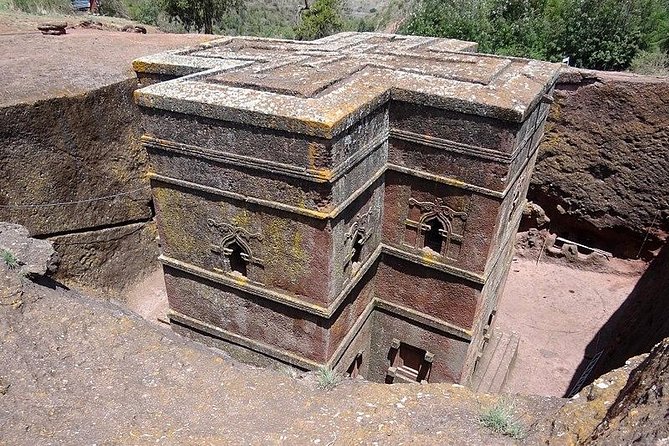
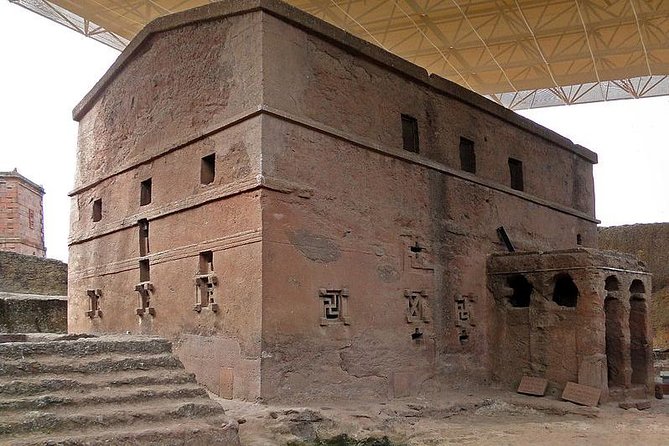
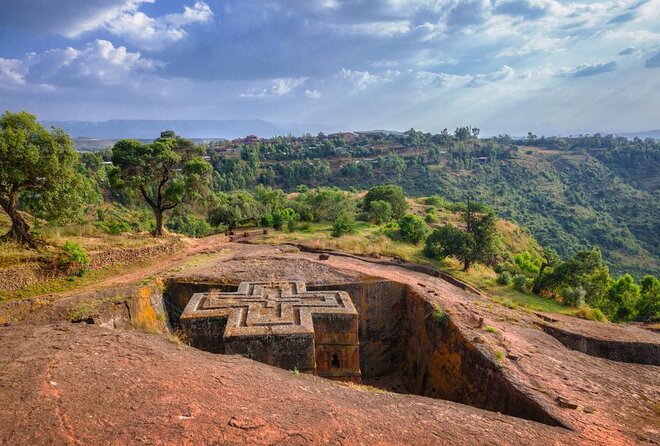
You fly north from Addis Ababa to Lalibela, transfer to your hotel, have lunch, and then visit the first group of rock-hewn churches. These churches sit north of the small stream called the Jordan River.
The remarkable point is how the churches were made. They were cut directly down into the rock during the reign of King Lalibela, rather than built upward with blocks. About 11 churches are arranged in groups, and the site is protected as a UNESCO World Heritage Site.
You should expect several hours on foot around uneven stone surfaces. The churches are not simply museum pieces. They remain places of worship, which gives the visit a stronger sense of purpose than a standard archaeological stop. Dress and behave respectfully, especially if services or religious activity are taking place.
The timing is sensible. A flight gets you to Lalibela without sacrificing a full day to road travel, and the afternoon visit gives you a first look at the town after lunch. Still, do not expect a slow introduction. This is a sightseeing day after a flight, and the schedule begins moving almost at once.
Day 2: Axum, Adwa, and the Gheralta rock churches
The second morning brings another flight, this time from Lalibela to Axum. The Axum visit is listed as about one hour before you drive toward Hawzien, passing through the Adwa area and the Gheralta plains.
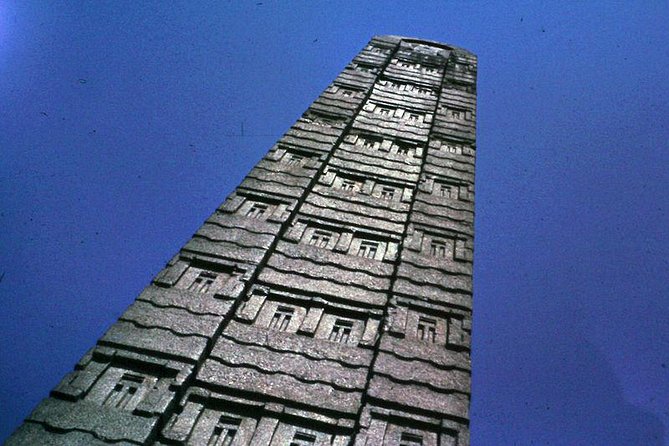
Axum is one of Ethiopia’s key historic centers, and the Northern Stelae Park is the main named stop. The tall stone stelae connect the city to the ancient Kingdom of Aksum. The visit is brief, so you should think of it as an introduction rather than a full Axum program.
The drive toward Hawzien takes you into a drier region with striking rock formations and cliff-top churches. Gheralta is used as the base for visiting these churches, and the scheduled visit is about three hours. Some church visits in this area can involve steep climbs and exposed paths, so pay close attention to the guide’s description before agreeing to any extra activity.
This is also the day to confirm the plan clearly. One past booking problem involved a mix-up between an intended Axum visit and a Tigray cliff church. The concern was not just administrative. A 200-meter cliff climb can be a serious physical undertaking, and it should never be treated as a casual substitute stop. Ask exactly where you are going, how difficult the approach is, and what safety support is provided.
Day 3: The punishing approach to Erta Ale
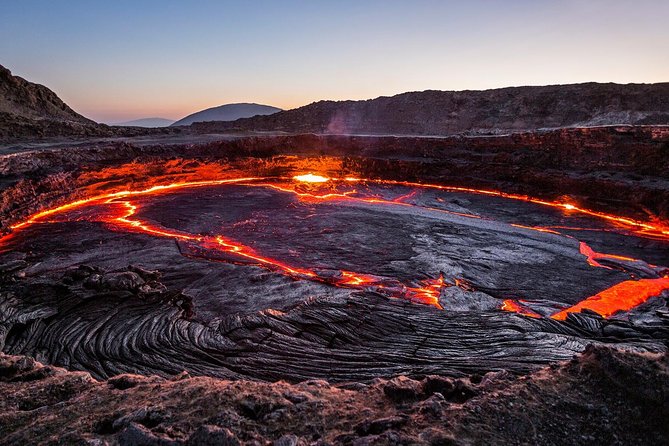
Erta Ale is the trip’s great physical challenge. The volcano is about 613 meters high, with a summit caldera and a permanent lava lake that has existed for many years. The route starts with a drive toward Dodom, at the base of the volcano, via Mekele.
The road itself is part of the ordeal. The distance to Dodom is about 80 kilometers, but the surface can be extremely rough. A six-hour activity period is listed, with an early start around 9:00 a.m. in the description. The exact timing may shift with conditions, so you should be ready for a long day in a remote area.
At Erta Ale, the reward is not polished infrastructure. It is the chance to reach a rare volcanic site and look into a crater containing an active lava lake. The experience depends heavily on weather, volcanic conditions, road access, and your own stamina.
Pack lightly but carefully: sturdy footwear, water, sun protection, and a warm layer for changing temperatures are sensible choices. The tour requires moderate physical fitness, and this is the day that makes that requirement real. If you have trouble walking for extended periods or handling rough vehicle travel, ask for a detailed assessment before you book.
A few more Lalibela trips worth weighing up
- 3 Days Danakil Depression Tour
★ 4.5 · 135 reviews - 3 Days Danakil Depression Tours Via Semera
★ 5.0 · 47 reviews - 12 Days SIMIEN MOUNTAIN-LALIBELA-DANAKIL-TIGRAY CHURCHES
★ 5.0 · 45 reviews - 3 Day Danakil Depression Ertale and Dallol Tours
★ 5.0 · 44 reviews
Day 4: Sunrise, Afrera, and the Danakil Depression
Day four begins with a sunrise visit near the northern crater area of Erta Ale. The main pit is described as about 200 meters deep and 350 meters across, with smaller southern and central pits nearby. After breakfast, the group descends toward Dodom, generally leaving around 7:00 a.m. and reaching camp by about 10:30 a.m.
The day then turns toward the Danakil Depression and Lake Afrera, also called Lake Giulietti. The lake visit is optional and may not be available during some seasons or conditions. That uncertainty is worth noting. The Danakil region is remote, and a planned stop can change because of weather, road conditions, or local access.
This is not a hotel-based sightseeing day. You relax at camp, continue across harsh desert terrain, and spend much of the day in intense heat. The included accommodation covers the program, but you should ask what type of lodging is planned for the Danakil section, since conditions there are more basic than at city hotels.
The value of this part is the sense of place. The Danakil is not just another scenic viewpoint. It is a stark volcanic region where heat, salt, and mineral activity shape daily life. That also means comfort is limited. Bring patience, water, sun protection, and a flexible attitude.
Day 5: Salt miners, Dallol, and the return to Addis
The next morning focuses on the salt-mining area around Ragad, also called Asebo. You see workers breaking salt from the ground, cutting it into rectangular pieces, and loading it onto camels.
This stop adds human context to the desert. You are not just looking at unusual colors and volcanic formations. You are seeing a working trade carried out in a difficult environment. Be mindful with photography, since camera fees are not included and filming people should be handled with permission and respect.
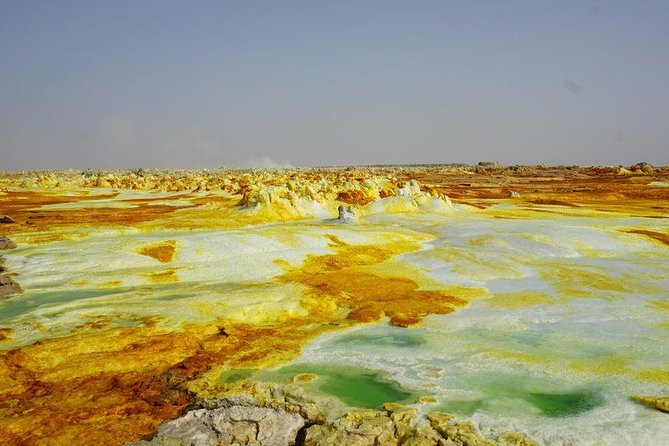
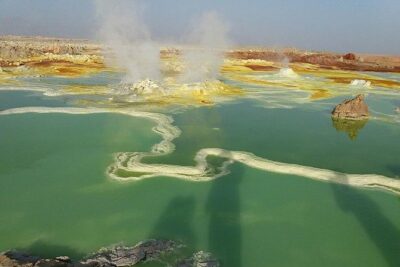
The route continues to Dallol, about 116 meters below sea level, and Lake Assal. Dallol is known for mineral colors and formations created by volcanic activity. Camel caravans are part of the scene, though they do not operate in July, August, or early September according to the schedule.
After returning to Hamedela, you continue to Mekele and take an evening flight to Addis Ababa, listed at 7:50 p.m. with arrival at 9:10 p.m. This is a very full day. The flight is a useful time saver, but you will likely be tired by the time you reach Addis.
Day 6: Ari villages and the Jinka Museum
From Addis Ababa, you fly to Jinka and meet the local team for a drive to Ari villages. The Ari are the largest population in the lower Omo Valley, and the visit introduces you to local homes, crafts, and daily life.
The women are known for making pottery and wearing skirts made from enset, a banana-like plant. This is the kind of visit where your guide matters greatly. A good local guide can explain what you are seeing without turning ordinary life into a staged display.
You then visit the Jinka Museum, which has collections of musical instruments, weapons, household items, and related objects. The museum is a useful companion to the village visit because it gives you background before the next day’s communities.
The pace is gentler than the Danakil section, but the transfer and flight still make it a working day. Accommodation and breakfast are included, while personal purchases, telephone use, internet, and laundry are not.
Day 7: Mago National Park and the Hamer around Turmi

The morning excursion goes to Mago National Park and a Mursi village. The Mursi live in small huts made from straw and leaves, and some women wear terra-cotta plates in stretched lower lips and ear lobes.
This subject requires tact. Physical appearance can easily become a spectacle when a short visit is framed poorly. Listen to your guide, ask before taking photographs, and remember that you are entering someone else’s community, not a themed attraction.
Later, you continue to Turmi, home of the Hamer people. The Hamer are associated with bull jumping, a rite connected to a boy’s passage into manhood. Female relatives may dance and invite whipping from recently initiated men, showing support for the initiate and marking family ties. The boy then runs across the backs of bulls or castrated cattle.
The activity is culturally significant, but it may not take place during your visit. The schedule describes Turmi as a one-hour stop and does not promise a bull-jumping ceremony. Do not book this tour on the assumption that you will see one.
Day 8: Konso terraces and the road back toward Addis
The final day takes you to the Konso Cultural Landscape. This is an arid highland area shaped by stone-walled terraces and fortified settlements. The farming system has been maintained across more than 21 generations, or over 400 years.
Here, the attraction is not one isolated monument. It is the way communities adapted their homes and agriculture to a dry environment. The terraces show careful engineering, while the settlements reflect shared rules and social organization. The area also includes wooden statues representing respected people and important events, tied to funerary traditions.
The visit lasts about four hours, which gives it more breathing room than the short Axum stop. Afterward, the tour ends with transport to Addis Ababa and a hotel drop-off. Confirm the expected arrival time before arranging a same-evening flight, since the schedule does not provide a precise end time.
What $2,051.29 buys you
At $2,051.29 per person, this is not a cheap Ethiopia trip. But price alone gives the wrong picture. The package combines several domestic flights, remote-region transport, guides, local escorts where needed, accommodation, breakfast, fuel, entrance fees, and payments connected with village visits.
The Danakil and Omo Valley are difficult areas to arrange independently. Vehicle access, local permissions, specialist guides, and timing all matter. Having those pieces organized can save money and prevent costly mistakes, especially when flights connect several far-flung regions.
The accommodation is best viewed as practical rather than luxurious. Basic but clean rooms with good beds and central locations have been part of the experience for some bookings, but hotel standards can vary across such a wide route. You should ask for the current hotel list if room quality is a major concern.
The package does not include international flights, alcoholic drinks, laundry, phone or internet expenses, or camera and videographer fees where required. Budget for tips and personal purchases as well, since they are not specified among the inclusions.
The people and service make a difference
The strongest part of this kind of journey is often the human organization behind it. The ETT team has handled flight changes, rescheduling, airport meetings, vehicle arrangements, and custom requests for past bookings. Staff names associated with especially warm service include Muller, Samrawit, Muna, Yared, Sefora, and Natnael.
That does not guarantee a particular person will lead your trip. Ask who your main guide and drivers will be, and get a clear contact number before departure. A reliable guide is especially important in Gheralta, Erta Ale, Danakil, and the Omo Valley, where conditions can change and local etiquette matters.
Who should book this trip?
I would choose this tour if you want maximum geographic variety in a short time and do not mind trading comfort for access. It suits active visitors who can handle long road days, rough surfaces, heat, early starts, and a schedule with little slack.
It is less suitable if you prefer slow travel, upscale hotels, long meals, or plenty of unplanned time. It is also a poor match if you are uncomfortable with primitive camping conditions, steep approaches, or visits that require careful thought about photography and cultural respect.
The cancellation terms are useful but not generous at the last minute. Cancel at least six full days before the start for a full refund. Two to six days allows a 50 percent refund, while cancellation less than two days before departure receives no refund. Poor weather may lead to a new date or a full refund.
Should you book it?
Book this tour if Lalibela, Erta Ale, the Danakil Depression, and the Omo Valley are all on your Ethiopia wish list and you want one company to handle the complicated links between them. The route offers far more variety than a standard northern Ethiopia circuit, and the included flights and remote-area logistics add real value.
Think twice if you need a relaxed holiday. This is an ambitious expedition-style tour with hotel nights mixed with basic conditions, tough roads, and physically demanding days. Before paying, confirm the current flight times, hotel names, Danakil sleeping arrangements, exact Gheralta activity, and the availability of Lake Afrera and camel caravans. If those details suit your style, this is a powerful way to see several very different sides of Ethiopia in just eight days.
FAQ
Where does the tour start?
The tour starts in Lalibela, Ethiopia, with a listed start time of 7:00 a.m. Pickup is offered from Lalibela and Addis Ababa.
Where does the tour end?
The tour ends in Addis Ababa, where you are dropped at your hotel.
How many people can join the tour?
The maximum group size is 10 people.
Are domestic flights included?
Yes. The package includes domestic flights, including flights connected with Lalibela, Axum, Jinka, and Addis Ababa.
Are accommodation and meals included?
Accommodation and breakfast are included according to the program. Alcoholic drinks, laundry, and personal food or drink expenses are not included.
What physical condition is required?
A moderate level of physical fitness is required. Erta Ale includes rough roads and walking, while some Gheralta church visits may involve difficult climbs.
Are entrance fees and village payments included?
Yes. Entrance fees, village payments, elder payments, fuel, and local guides or scouts where needed are included.
What is the cancellation policy?
A full refund is available if you cancel at least six full days before the start time. Cancellation two to six days ahead allows a 50 percent refund. Cancellation less than two days before the start receives no refund.
Just added around Lalibela
- Historical-tour Lalibela Gonder & Bahir Dar★ 5.0 · 5 reviews
- Lalibela Full Day Guided Tours With Hotel & Airport Pickup★ 5.0 · 8 reviews
- 2 Day Lalibela Tours★ 5.0 · 7 reviews
- Lalibela One Night/two Days★ 5.0 · 8 reviews
- Lalibela One Night/two Days★ 4.5 · 8 reviews
- Historical tours – in five days, Addis Ababa, Axum, Laliebla and Gonder★ 5.0 · 9 reviews
- Walking tours★ 5.0 · 11 reviews
- 2 Days 1 night tour to Lalibela Rock-hewn churches★ 5.0 · 12 reviews
Axum Tours, compared.
5 DAYS Lalibela, Axum, Tigray churches and Danakil
Read our review →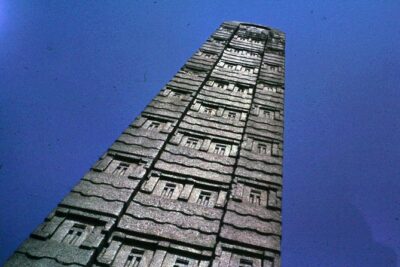
5 DAYS Axum, Lalibela, Tigray churches and Danakil
Read our review →
Historical tours – in five days, Addis Ababa, Axum, Laliebla and Gonder
Read our review →
5-Day Northern Ethiopia Tour : 3D Simien Mountains Trek & Axum.
Read our review →Browse the lists this tour appears in