
Reviewed · MONASTERIES & CAVE CHURCHES
Lalibela churches , church museum & Yemrehan kirstose ( cave church)
Lalibela’s churches are not buildings placed on top of the earth. They were cut down into solid rock, creating courtyards, tunnels, trenches, and sanctuaries that still function as places of worship. This tour adds the older Yemrehane Kirstos cave church, giving you two very different ways to understand Ethiopia’s sacred architecture.
I like the easy airport pickup and the fact that Daniel Shewalem can guide you through every major church rather than leaving you to sort out the clusters alone. I also like the home coffee ceremony, a small but personal touch that connects the monuments with daily Ethiopian life.
The main caution is the schedule. The tour is described as lasting from 12 hours to one day, yet it is also presented as an overnight or two-night excursion. Accommodation, breakfast, lunch, dinner, and domestic flights are not included, so confirm the exact length and plan before paying.
Key points to know before you book
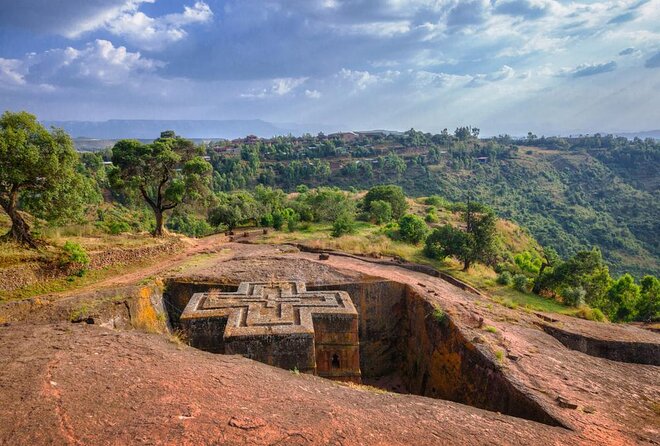
- Eleven churches in two main groups: Visit Bete Medhane Alem, Bete Maryam, Bete Meskel, Bete Denagle, Bete Mikael, Golgotha, Bete Gabriel and Rafael, Bete Emanuel, Bete Aba Libanos, and St. George.
- Yemrehane Kirstos is older than Lalibela’s churches: See an 11th-century church built inside a natural cave, with old paintings inside.
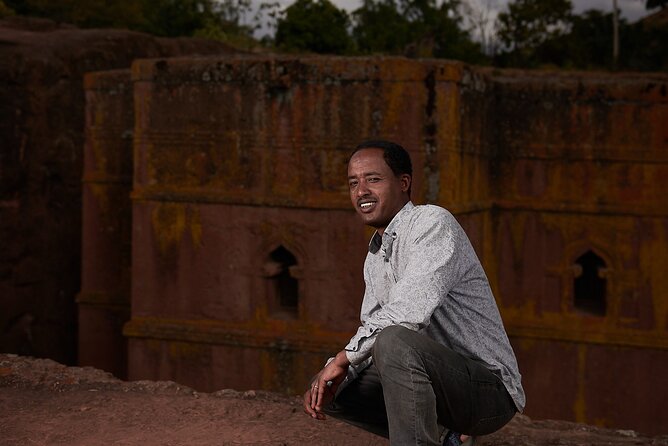
- A local guide with family ties to the churches: Daniel comes from a family of priests and offers insight into Ethiopian Orthodox practice, local customs, and the area’s past.
- Church worship remains part of the visit: An early service at Bete Medhane Alem is included, subject to the day’s religious schedule.
- Private transport and guiding: Your group receives an air-conditioned vehicle and a private English-speaking guide.
- $410 buys convenience, not a full package: Church fees and transfers are covered, but flights, lodging, and meals are extra.
Why Lalibela feels different from an ordinary church tour
The first sight of Lalibela’s churches can be hard to grasp. You may look across a stone courtyard and realize that what appears to be a freestanding church was carved from the rock around it. The builders did not simply shape walls. They removed enormous amounts of volcanic stone to form entire religious complexes.
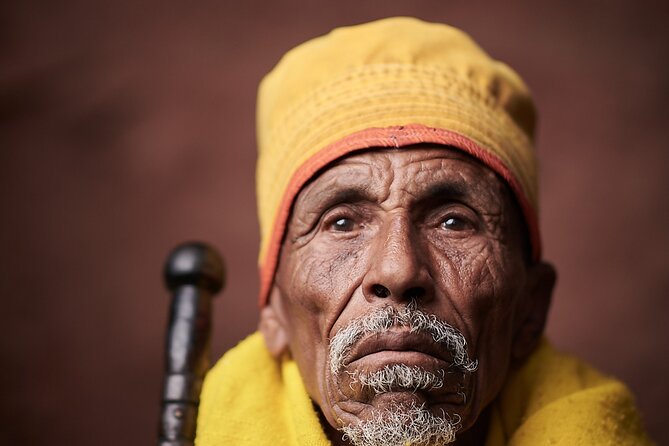
These churches date back at least 900 years, with the famous group traditionally linked to the reign of King Lalibela. They remain active centers of Ethiopian Orthodox worship, not abandoned monuments preserved only for sightseeing. Priests, worshippers, white-shawled pilgrims, painted crosses, and church ceremonies can all be part of the setting.
That active role changes how you should approach the visit. You are not entering a museum at every stop. You need to dress formally, follow instructions, and accept that a service or religious observance may affect the order of the day.
Daniel is especially suited to this setting. Information about his background describes a father and grandfather who were priests, and his guiding style appears to draw on that family connection. He can explain not only dates and architecture, but also the Ethiopian Orthodox Church and the religious meaning of the sites.
More monastery tours in Lalibela:
Airport pickup and the road into Lalibela
The experience begins at Lalibela airport, with a drive of about 25 kilometers taking roughly 30 minutes. An air-conditioned vehicle is included, which matters in a full day of walking between churches and outdoor courtyards.
The pickup removes one of the awkward parts of a short visit. You do not need to arrange a taxi immediately after landing or work out where to meet your guide. The tour also ends back at the meeting point, with transport to Lalibela airport included in the planned service.
The first day starts at 8:00 a.m., although the airport pickup and church-service timing may shape the exact order. Since the description combines a one-day schedule with a two-night format, ask for a written timetable before arrival. That is particularly important if your flight leaves the same day.
The northern churches, beginning with Bete Medhane Alem
After lunch, the first church group includes Bete Medhane Alem, Bete Maryam, Bete Meskel, Bete Denagle, Bete Mikael, and Golgotha. Allow about five hours for this section, including movement between the sites and explanations from the guide.
Bete Medhane Alem, often identified as the largest church in Lalibela, is a major highlight. Its scale helps you understand the labor involved in cutting a church from stone. The long exterior colonnade and broad form are striking, but the setting around it matters just as much. You are looking into a carved space that has served worshippers for centuries.
Bete Maryam brings a different feel, with detailed religious decoration and a strong connection to local worship. Bete Meskel and Bete Denagle add smaller stops to the route, while Bete Mikael and Golgotha deepen the religious focus of the group.
Golgotha is a place where visitors should expect a more solemn atmosphere. The churches are not presented as a set of quick photo stops, and access or viewing conditions may vary according to religious use. A good guide helps you slow down and understand what you are seeing instead of rushing from one name to the next.
This five-hour block is demanding. You will spend time on uneven stone surfaces, stairs, paths, and open courtyards. The itinerary is packed, so tell Daniel early if you need a slower pace or more time at particular churches.
The early service at Bete Medhane Alem
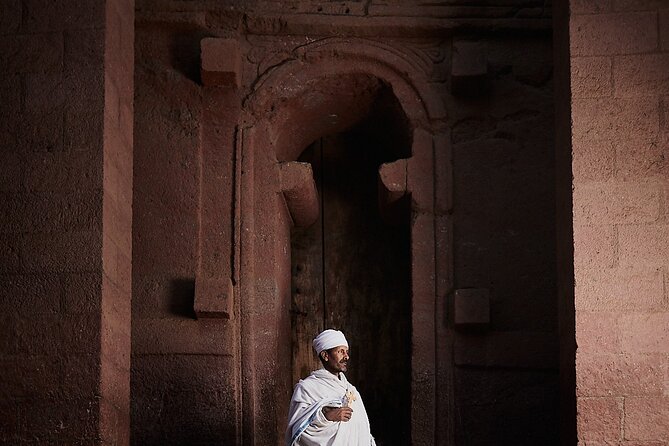
One of the included features is early morning attendance at a church service in Bete Medhane Alem, described as the largest church in Lalibela. The value here is simple: you see the churches functioning as religious places rather than only as archaeological attractions.
The service is not an added performance arranged for visitors. It is part of the life of the church, so you should enter quietly, dress formally, and follow your guide’s directions. The exact service time and access can depend on the day.
This is also one reason the schedule may need adjustment. The written plan places the main northern group after lunch but separately includes an early service. In practice, the order may change. Confirm which morning includes the service and how it affects your airport departure.
More museums in Lalibela:
- Addis Ababa +Mount Entoto View Point,Museums Palace Market Tours
★ 5.0 · 42 reviews - Museum Highlights Guided Day Tour in Addis Ababa
★ 5.0 · 9 reviews
Yemrehane Kirstos, the cave church outside town
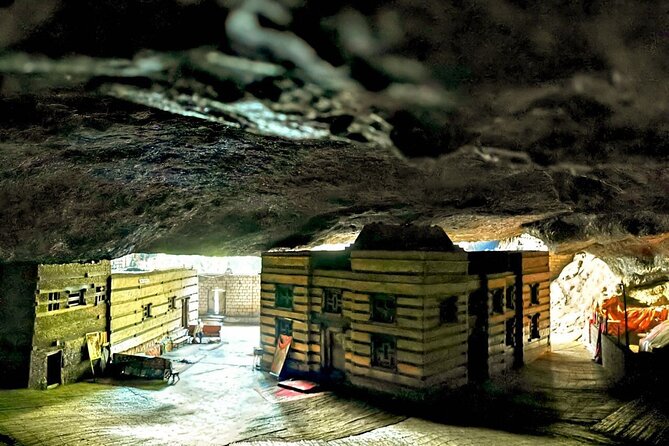
After breakfast, the tour drives to Yemrehane Kirstos, also written as Yimrhanne Kirstos or Yemrehane Kristos. The church lies about 25 kilometers from Lalibela and offers a very different experience from the carved churches in town.
Yemrehane Kirstos was built inside a natural cave in the 11th century, roughly a century before Lalibela’s best-known churches. Instead of being cut down into an open trench, it occupies the shelter of a cave. That contrast makes the stop especially useful for anyone interested in Ethiopian architecture.
Inside, you can see old paintings. The setting is quieter and more enclosed than the main church groups, and the cave gives the visit a strong sense of place. Daniel’s role is important here because the church’s age, religious use, and unusual construction benefit from explanation.
The trip does add driving time and another block of walking to an already full program. If you only want a quick look at the central churches, this may feel like too much. If you want a broader picture of the region’s sacred buildings, it is one of the best parts of the day.
The supplied schedule lists lunch after the cave church. Lunch is not included, so you will need to arrange and pay for it separately. Ask Daniel how meal stops fit into the day, especially if you have dietary requirements. Vegetarian food can be arranged if requested in advance.
The southern group and the final approach to St. George
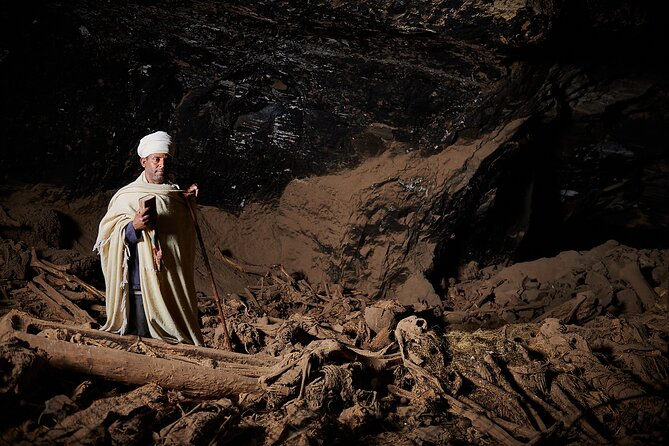
After Yemrehane Kirstos and lunch, the route returns to the second group of Lalibela churches. This section includes Bete Gabriel and Rafael, Bete Emanuel, Bete Aba Libanos, and St. George.
Bete Gabriel and Rafael, sometimes treated as a pair, offers another chance to see how the churches are linked by carved paths and trenches. Bete Emanuel is often appreciated for its proportions and carved exterior detail. Bete Aba Libanos is another reminder that the churches are part of a connected religious area rather than isolated structures.
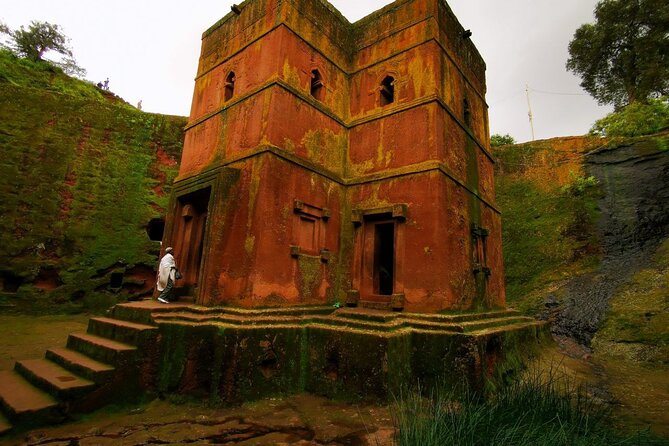
Then comes St. George, the cross-shaped church that many people consider Lalibela’s visual high point. It is cut into the ground, so the approach reveals the full form from above before you make your way down into the surrounding space. The cross shape is easiest to appreciate from this elevated view.
Do not assume the last stop will be a quick finish. St. George can take time because the setting is so different from a conventional church. It is also one of the places where you may want to pause for photographs, though religious activity and local instructions should guide what is appropriate.
The southern group and St. George are listed as another five-hour section. That makes the full program physically and mentally busy, particularly if you have already attended an early service and visited Yemrehane Kirstos.
A coffee ceremony at Daniel’s home
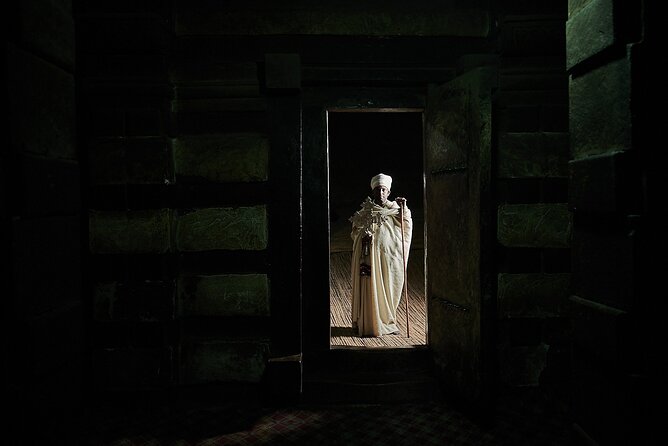
The traditional Ethiopian coffee ceremony is included in the package and takes place at Daniel’s home. This is a welcome change of pace after several hours among monuments and religious sites.
Coffee is more than a drink in Ethiopia. The ceremony creates time to sit, talk, and ask questions about local life, family traditions, and the churches. Daniel’s family connection to the clergy may make this a useful moment to discuss the difference between Lalibela as a historic site and Lalibela as a living community.
The experience is also more personal than a standard restaurant break. It gives you direct contact with your guide outside the vehicle and church compounds. It should not be treated as a replacement for lunch or dinner, however, since both meals are listed as extra.
What the $410 price really covers
At $410 per person, this is not a low-cost sightseeing shuttle. The price makes more sense if you value a private guide, airport transfers, a vehicle for the out-of-town drive, church entrance fees, and help managing a packed schedule.
You are paying for the service of one guide across the church groups, the cave church, the service, and the transport between them. That can be useful in Lalibela, where the significance of each church is not always obvious from its exterior and where the religious setting calls for respectful behavior.
The price does not include domestic flights, accommodation, breakfast, lunch, dinner, tips, or unrelated expenses. The description calls the experience an overnight or two-night excursion, but lodging remains your responsibility. This is the most important value question to settle before booking.
If you already have a hotel and flights, the package is easier to assess. If you need a full two-night trip, add those costs before comparing it with a larger tour package. You should also clarify whether admission fees cover every named church and whether any local guide or church contribution is expected on the day.
How the private format affects your day
Only your group participates, so you are not tied to a large coach schedule. That gives Daniel room to adjust the pace, spend more time on a church that interests you, or respond to a service and local conditions.
The experience can also be arranged for different group sizes. Past arrangements connected with this guide have included solo visits, small groups, and a group of 15 people. A larger private group may still move more slowly, so ask how many people will be in your vehicle and how the price applies to your party.
The guide’s past work has included last-minute planning, airport transfers, hotel coordination, and personalized schedules. That does not mean every extra service is included here. It does suggest that you should explain your priorities before arrival, especially if you want more time for worship, photography, history, or local culture.
English is listed as the main guiding language, though a multilingual guide may operate the tour. If language is important to you, confirm the guide assigned to your date.
Clothing, walking, and practical preparation
Formal dress is required. This is a religious visit, so modest clothing is the sensible choice even beyond the stated dress code. You should also be ready to remove shoes in church areas if instructed.
The day includes walking through carved courtyards, passages, stairs, and uneven stone areas. The information says most people can participate, but a 12-hour schedule can still be tiring. Wear practical shoes and keep your day bag light.
Bring enough money for meals, tips, and personal expenses. Tell the operator about dietary needs when booking. A vegetarian option is available if requested in advance.
A mobile ticket is provided, and booking confirmation is issued at the time of booking. Passport name, number, expiry date, and country are required for every participant. Those details are also needed for the domestic flight arrangements you make separately.
Free cancellation is available up to 24 hours before the start time. Changes or cancellations within 24 hours are not refunded, and the cut-off follows local time.
Who will get the most from this tour
I would choose this experience if you have limited time in Lalibela but want more than a quick look at St. George. It covers both main church groups, includes Yemrehane Kirstos, adds a service, and gives you a local host rather than only a driver.
It suits people who care about religious practice, architecture, and local explanation. Daniel’s family background may be especially valuable if you want to understand the Ethiopian Orthodox tradition as well as the dates and names of the buildings.
I would be more cautious if you dislike early starts, long walking days, or tightly packed schedules. I would also compare alternatives if you need hotels, meals, and flights bundled into one price.
The strongest advantages are the private format, Daniel’s local and religious background, the home coffee ceremony, and the inclusion of the older cave church. The weakest point is not the sightseeing. It is the unclear duration and the number of expenses left outside the $410 price.
Should you book it?
Book this tour if you want a focused introduction to Lalibela with a local guide who can connect the churches to Ethiopian worship and everyday life. The combination of the two church groups, Yemrehane Kirstos, an active service, airport transport, and a coffee ceremony gives you a full picture in a short period.
Before booking, confirm three things in writing: the exact number of days, the hotel plan, and the order of the church service, cave church, and airport transfer. If those details fit your flights and budget, this is a strong choice for a private, culture-focused visit.
FAQ
How long does the experience last?
The experience is described as lasting from 12 hours to one day, while other details describe an overnight or two-night excursion. Confirm the exact schedule with the operator before booking.
Is accommodation included?
No. Accommodation and breakfast are not included, even though the experience may be arranged as an overnight or two-night excursion.
Are meals included?
No. Lunch and dinner are not included. Vegetarian food is available if you request it in advance.
Are domestic flights included?
No. Domestic flight tickets are separate from the tour price.
Does the tour include a church service?
Yes. Early morning attendance at a service in Bete Medhane Alem is included, subject to the religious schedule and the final timing of the day.
Is this a private tour?
Yes. This is a private activity for your group, with an air-conditioned vehicle and a private English-speaking guide.
Just added around Lalibela
- Historical-tour Lalibela Gonder & Bahir Dar★ 5.0 · 5 reviews
- 2 Day Lalibela Tours★ 5.0 · 7 reviews
- Lalibela One Night/two Days★ 5.0 · 8 reviews
- Lalibela One Night/two Days★ 4.5 · 8 reviews
- Lalibela Full Day Guided Tours With Hotel & Airport Pickup★ 5.0 · 8 reviews
- Historical tours – in five days, Addis Ababa, Axum, Laliebla and Gonder★ 5.0 · 9 reviews
- 2 Days 1 night tour to Lalibela Rock-hewn churches★ 5.0 · 12 reviews
- Walking tours★ 5.0 · 11 reviews
Monasteries & Cave Churches, compared.
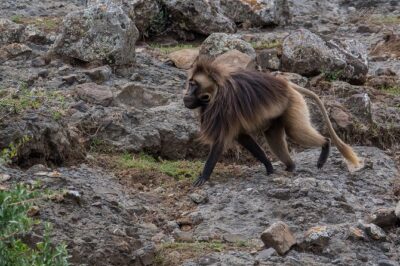
Day Trip From Addis Ababa See Historical Monastery,Stunning Nature,Animals,Birds
Read our review →
Breathtaking Nature, Wildlife and Cave Church Tour – Free Pickups
Read our review →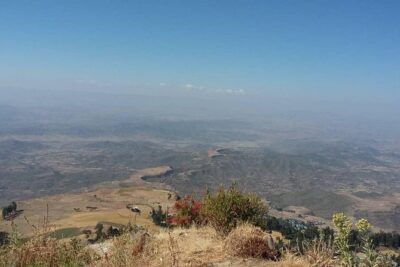
Tour 11 monolithic rock churches & museum in Lalibela & cave church with mummies
Read our review →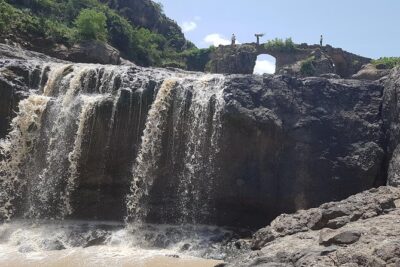
Debre Libanos Monastery and Jemma River Gorge – Day Tour from Addis Ababa
Read our review →
Day trip on Bahir dar. To visit lake tana monasteries and Blue Nile Falls.
Read our review →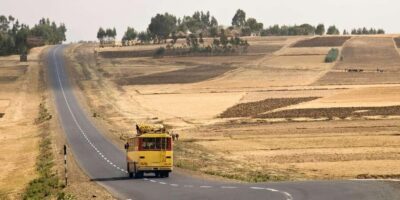
Day Trip To See Monastrys,Amazing landscapes & Animals
Read our review →
Day Tours to Tiya Stele and Cave Churches of Adadi Maryam
Read our review →
DAY TRIP TO Debre Libanos Monastery Cave Church Nature and Wildlife
Read our review →Browse the lists this tour appears in