
Reviewed · CITY TOURS
Addis Ababa city tour from Bole airport and All Hotels
Addis Ababa’s best introduction may be its contrast: a 3.2-million-year-old human ancestor at the National Museum, a high mountain viewpoint, a crowded traditional-clothing market, and a tiny cup of strong Ethiopian coffee. This tour puts those pieces together without asking you to work out the city’s transport on your own.
I like the museum-led start, since Lucy and the pre-Axumite objects give the city a serious historical anchor. I also like the final stop at Tomoka Coffee, a local institution and a fitting finish after a day of churches, markets, and mountain roads. The main caution is that some stops may not deliver exactly what you expect: Lucy may not be viewable, and St. George’s Cathedral has been affected by renovation work.
Key points at a glance
- Lucy may be the headline, but her display is not guaranteed: The National Museum is still the tour’s strongest stop, even if the famous fossil cannot be seen.
- Mount Entoto gives you the broadest city view: The drive climbs above Addis Ababa, though cloud, haze, or conditions may limit the panorama.
- Shiromeda Market focuses on traditional Ethiopian clothing: It is a useful place to see local dress and browse handmade garments.
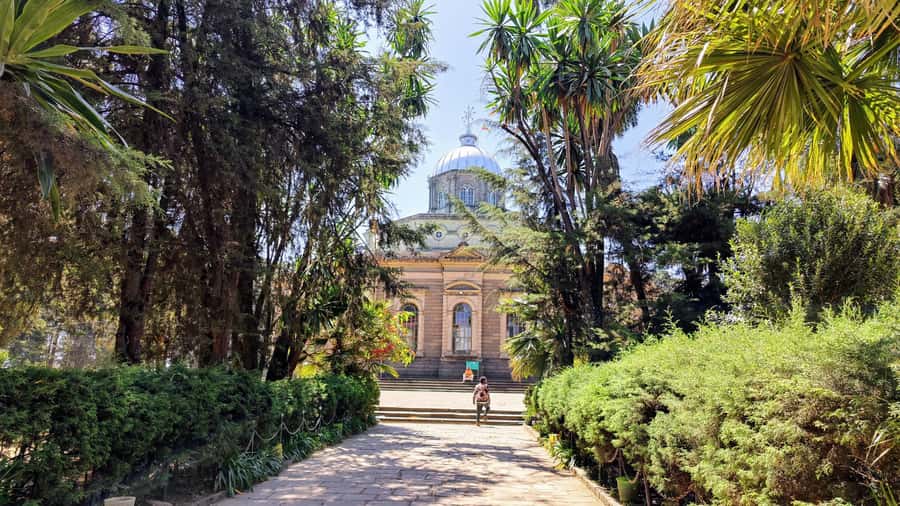
- St. George’s Cathedral has a distinctive octagonal design: Its connection to the Battle of Adwa gives the building national importance.
- Tomoka Coffee is more than a caffeine break: It offers a taste of Addis Ababa’s proud coffee culture.
- The $52 price covers the main extras: Hotel or airport pickup, transport, entrance fees, guide, water, coffee, and tax are included.
Why this Addis Ababa route works
This is a compact city introduction built around four themes: Ethiopia’s human past, Orthodox Christian culture, everyday shopping, and coffee. You get a little of each in one outing, with pickup from Bole Airport or any hotel in Addis Ababa.
That convenience matters in Addis Ababa. The city is large, traffic can shape your day, and several stops sit in different parts of the metropolitan area. Having a vehicle and an English-speaking guide means you can focus on what you are seeing instead of arranging each transfer yourself.
The route is not designed as a slow, specialist visit to one museum or one church. It is better for you if this is your first look at Addis Ababa, or if you have a limited amount of time and want a broad sample of the city. The tradeoff is depth. Each stop gives you an introduction, not a full study.
More city tours in Addis Ababa:
- Addis Ababa Guided City Tour With Airport & Hotel Pick Up
★ 5.0 · 237 reviews - Full-Day Private City Tour of Addis Ababa
★ 5.0 · 147 reviews - Addis Ababa Authentic Private City Tour
★ 5.0 · 134 reviews
The National Museum and the question of Lucy
The National Museum of Ethiopia is the natural starting point. Its exhibits cover a wide span of Ethiopian history, with displays connected to pre-Axumite cultures and the country’s ancient past.
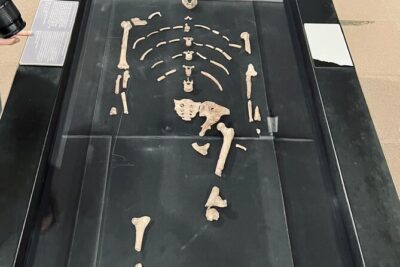
The main draw is Lucy, the Australopithecus afarensis fossil discovered in 1974. She is also known as Dinkinesh, a name meaning wonderful in an indigenous Ethiopian language. Her discovery changed ideas about early human development by showing that ancestors of modern humans walked upright much earlier than many experts had thought.
The age is usually given as about 3.2 million years, while the tour information also describes the fossil as 3.5 million years old. Either way, the point is clear: this is an extraordinary piece of human history, and it gives the museum a significance far beyond a standard city museum.
There is one important practical warning. Lucy was not viewable during at least one visit, so you should not book this outing on the assumption that you are certain to see the original fossil. Ask your guide about her display when you arrive. Even without Lucy, the museum’s wider collection of early human material and pre-Axumite objects makes it the most substantial cultural stop on the route.
I would give the museum your best attention. If the day feels rushed, this is the place where a few extra minutes matter most. A quick glance at Lucy’s case, if she is available, is less rewarding than taking time to understand why the fossil changed the study of human origins.
St. George’s Cathedral and Ethiopia’s Orthodox tradition
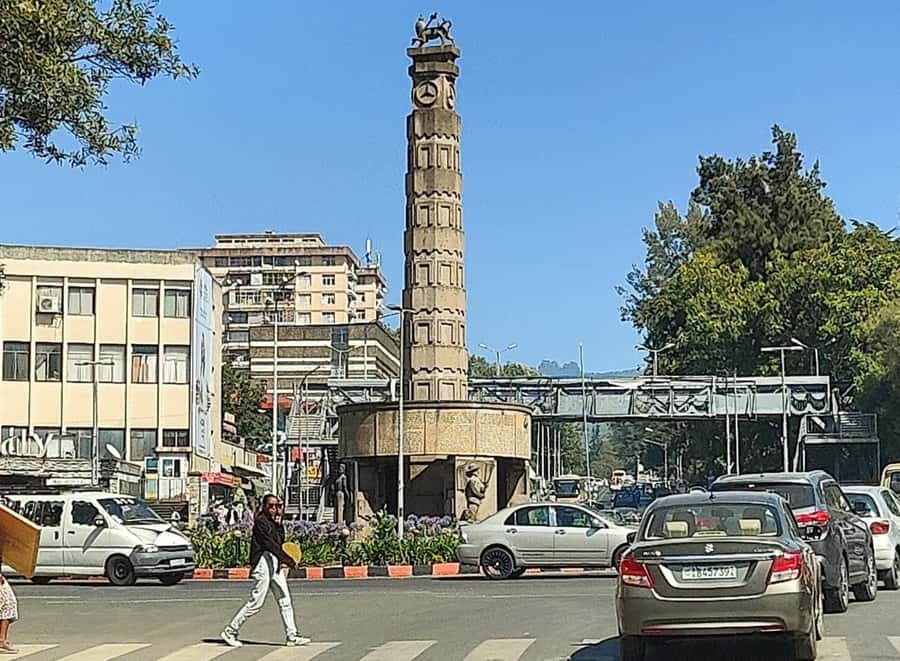
The next major stop is St. George’s Cathedral, also called Giorgis Cathedral. You find it near the northern end of Churchill Road, a central Addis Ababa route.
The church was built in 1896 in an unusual octagonal form. Its construction honored Ethiopia’s victory over Italy at the Battle of Adwa, a turning point in the country’s modern history. That context gives the building more weight than its size alone might suggest.
Inside, look for the stained-glass work associated with Africa Hall and the Ethiopian artist Afewerk Tekle. The tour information highlights these windows as a major artistic feature, so ask your guide to point them out rather than simply walking through the building.
Conditions inside can vary. Renovation work has left the church empty at times, which means you may not see the interior in the way you expect. If the building is closed or stripped back for repairs, the octagonal exterior and its historical setting still make a short stop worthwhile, but it will be less satisfying for anyone mainly interested in religious art.
This is a good place to listen to your guide. The building connects faith, national identity, and the memory of the Adwa victory. Those links help explain why Orthodox churches matter so much in Ethiopia’s public life.
Shiromeda Market and traditional Ethiopian clothing

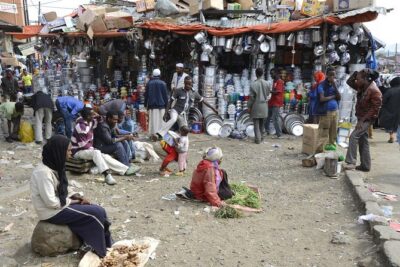
On the way toward Entoto, the tour stops at Shiromeda Market. It is described as one of the largest places in Addis Ababa for traditional Ethiopian clothing.
This is the most everyday stop on the route. The museum deals in ancient history, the cathedral in national and religious history, and Shiromeda gives you a look at clothing people associate with Ethiopian culture today.
You may find woven garments, shawls, and other traditional items, though the exact selection can vary. The market is useful even if you do not plan to shop. You can see how fabric, pattern, and dress are presented in a local setting rather than only in a museum display.
If you do want to buy something, ask the guide about materials, traditional uses, and sensible prices. The supplied information does not promise a shopping-focused visit, so treat this as a brief cultural stop rather than a long market tour.
The market also breaks up the more formal museum and church visits. You get a chance to walk, look closely, and see a working commercial part of Addis Ababa before the road climbs toward Entoto.
A few more Addis Ababa trips worth weighing up
- Full Day Tour of Addis Ababa with Hotel Pickup and Drop-off
★ 5.0 · 430 reviews - Taste of Ethiopia
★ 5.0 · 406 reviews - Day Trip From Addis Ababa See Historical Monastery,Stunning Nature,Animals,Birds
★ 5.0 · 303 reviews - Addis Ababa: Debre Libanos, Blue Nile Gorge, and Cave Tour
★ 4.5 · 256 reviews
Mount Entoto for a high view of Addis Ababa
The drive continues to Mount Entoto, where the tour reaches a high point above the city. The main reason to come is the bird’s-eye view over Addis Ababa.
This can be one of the day’s most memorable moments. From above, the city’s size and setting become easier to grasp, and the stop gives you a different view from the busy streets below. Bring patience, though. A mountain viewpoint depends on visibility, and a broad panorama is not guaranteed at every moment.
One important point comes from the experience itself: the drive all the way up can feel like a poor use of time if the view is obscured. If you are visiting mainly for photography, keep your expectations flexible. The value of the stop comes from the setting and the change of perspective, not from a guaranteed clear panorama.
Your guide should help explain what you are looking at from the summit. Without that context, a city view can become a quick photo stop. With some explanation, you can connect the high ground to the city below and understand why Entoto is included in a first-day route.
The journey to the mountain also adds variety. Addis Ababa is not only its central roads and museums. The climb gives the outing a sense of movement and makes the final coffee stop feel well earned.
Tomoka Coffee brings the day back to street level
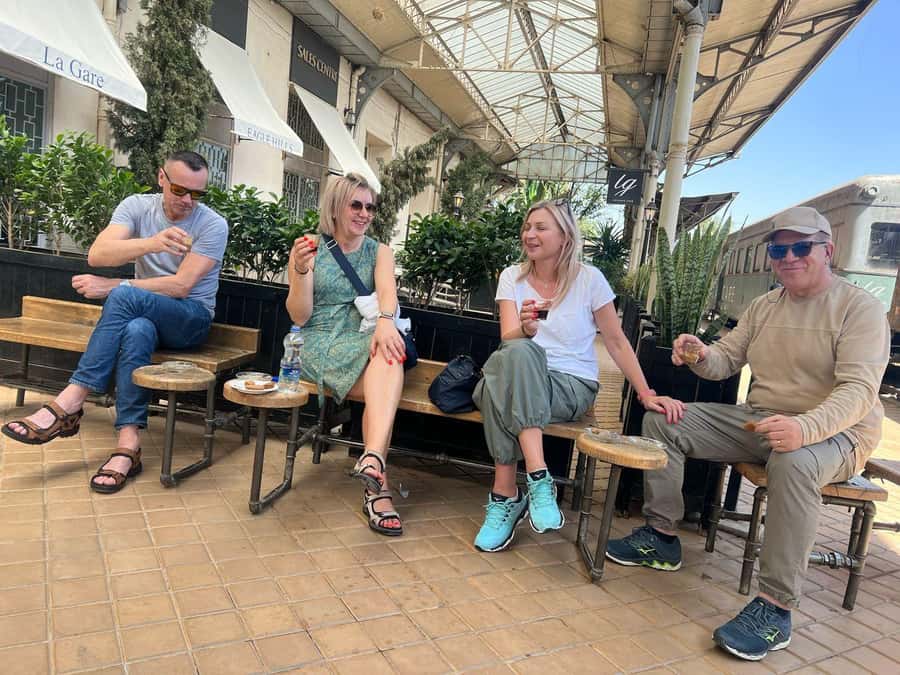
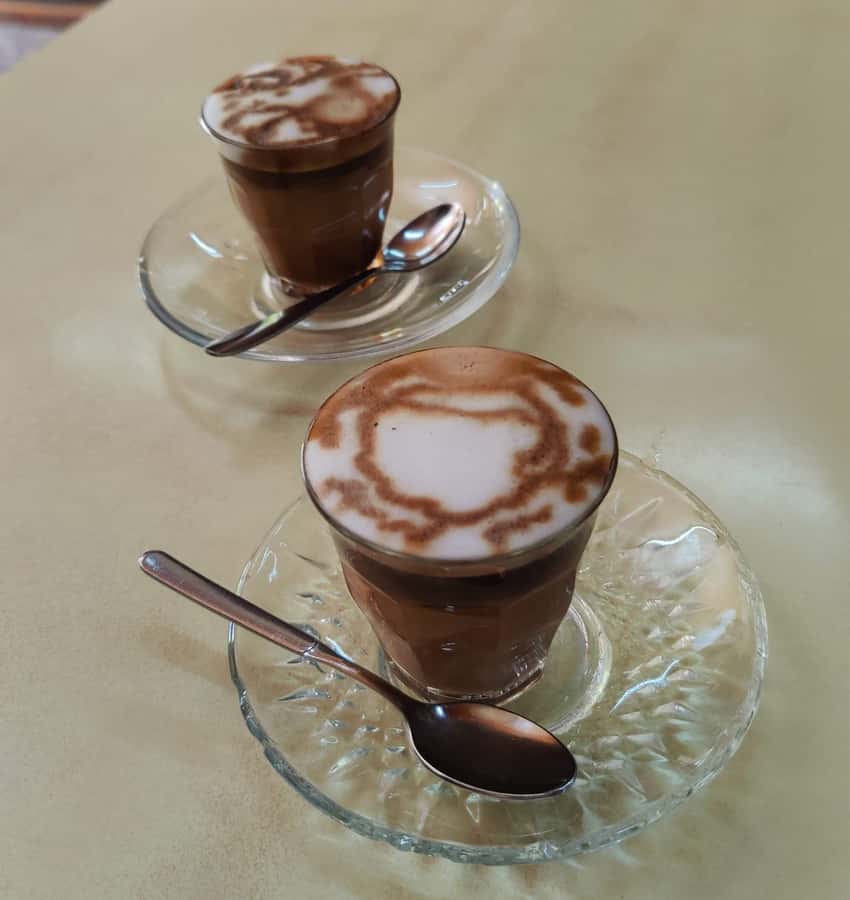
The last destination is Tomoka Coffee, described as one of the best coffee stops in Addis Ababa. It is a simple ending, but a smart one.
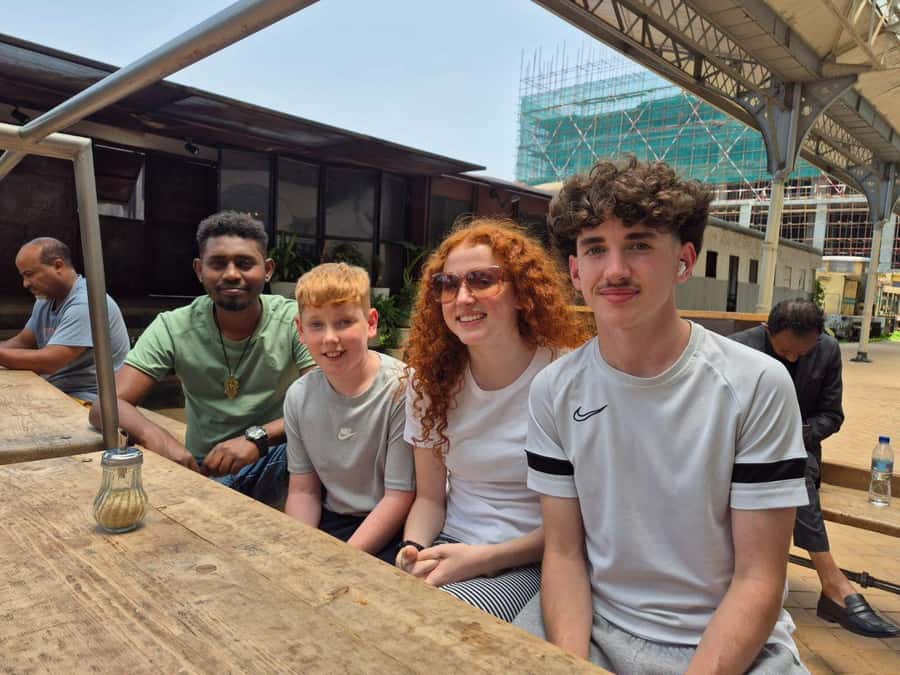
Coffee is central to Ethiopian social life and national identity, so this is not just a refreshment added to the schedule. It gives you a chance to pause after the museum, church, market, and mountain visit, while also sampling one of the city’s best-known coffee names.
The inclusion covers coffee, so you do not need to budget separately for the basic stop. The available details do not specify how long you stay or which drink you receive, so think of Tomoka as a focused tasting stop rather than a full coffee workshop.
I like the order. Starting with human history and ending with coffee moves from the very old to something you can experience immediately. It also prevents the day from becoming a string of monuments with no relaxed finish.
What the $52 price really covers

At $52 per person, this tour is easiest to judge as a convenience package. The fee includes hotel pickup and drop-off, airport pickup and drop-off, all entrance fees, an English-speaking guide, bottled water, coffee, and tax.
That is useful if you are arriving through Bole Airport and want to see Addis Ababa before continuing elsewhere. You do not have to arrange a separate transfer into the city, find the museum, negotiate transport to Entoto, or pay entrance charges at each stop.
The value is strongest for solo visitors, first-time visitors, and anyone with limited time. A private taxi, separate admissions, and a guide arranged stop by stop could quickly make a self-organized day less simple, even if a do-it-yourself plan might cost less in some circumstances.
The price is less compelling if you only want a short airport transfer, a clear view from Entoto, or a long museum visit. This is a mixed sightseeing day. You are paying for transport and coordination across several places, not for extended time at one attraction.
The package also includes the practical basics that are easy to overlook: water, tax, and the final coffee. Since entrance fees are included, you should not need to keep stopping to handle small payments at each attraction.
The guide matters more than the schedule
The tour includes an English-speaking local guide, and that person’s role is important. The route has several stops that need explanation to become meaningful.
At the National Museum, the guide can explain why Lucy matters and help you understand the pre-Axumite objects. At St. George’s Cathedral, the guide can connect the building to the Battle of Adwa and identify the Afewerk Tekle stained glass. At Shiromeda, the guide can help with local clothing and shopping questions.
The guide is also the person who can adjust your expectations when a site is under renovation or a display is unavailable. Since Lucy was not visible during one visit and the cathedral interior was affected by repairs, clear communication will make a real difference.
No guide’s name is provided, so you cannot choose the experience based on a particular individual. You can, however, make good use of the guide by asking specific questions instead of treating the day as a series of photo stops.
Who will enjoy this city tour most?
I would recommend it to you if you want a broad first look at Addis Ababa with transport taken care of. It suits people arriving at Bole Airport, hotel-based visitors who want a single organized day, and anyone interested in combining history, religion, shopping, views, and coffee.
It is also a sensible choice for visitors who do not speak Amharic. The tour is offered in English, and the guide can give context at places where signs and displays may not tell the whole story.
You may want another plan if Lucy is your one essential sight. The fossil may not be on display, and the tour cannot guarantee that the museum visit will deliver that specific moment. The same applies if you need a perfectly clear mountaintop panorama or a fully open cathedral interior.
The outing may also feel too quick for museum specialists. You will see several locations, but the format favors variety over long, careful study.
Booking details worth knowing

Pickup and drop-off are available from Bole Airport and all hotels in Addis Ababa. That makes the tour particularly useful around an airport arrival or departure, though you should allow enough time for the full sightseeing route rather than treating it as a simple transfer.
English is the stated language. The price is $52 per person, and the booking terms allow you to reserve now and pay later. You can cancel up to 24 hours in advance for a full refund, which gives you some flexibility if your schedule changes.
The tour includes entrance fees, water, coffee, and tax, so the advertised price is closer to the final cost than many sightseeing offers. Still, any optional purchases at Shiromeda Market would be extra.
Should you book it?
Book this tour if you want an efficient introduction to Addis Ababa and value door-to-door transport, a local English-speaking guide, and a mix of major themes. The National Museum and Tomoka Coffee are the strongest anchors, while St. George’s Cathedral, Shiromeda Market, and Mount Entoto add useful variety.
Book with realistic expectations. Lucy may not be visible, cathedral renovations may limit the interior visit, and the Entoto view can disappoint if conditions are poor. At $52, the tour is good value for a first overview, especially from Bole Airport, but it is not the right choice if one specific attraction must be experienced in full.
FAQ
Does the tour pick me up from Bole Airport?
Yes. Airport pickup and drop-off are included, along with pickup and drop-off from hotels in Addis Ababa.
How much does the Addis Ababa city tour cost?
The listed price is $52 per person.
Is an English-speaking guide included?
Yes. An English-speaking guide is included.
Is Lucy included in the museum visit?
The National Museum visit is included, and Lucy is identified as a main attraction. However, Lucy may not be viewable when you visit, so her display should not be treated as guaranteed.
Are entrance fees included?
Yes. All entrance fees are included in the tour price.
Does the tour include coffee and bottled water?
Yes. A bottle of water and coffee at Tomoka Coffee are included.
Can I cancel the tour for a full refund?
Yes. You can cancel up to 24 hours in advance for a full refund. You can also reserve the tour and pay later.
Just added around Addis Ababa
- Best of Addis Privet Guided city Tour★ 5.0 · 6 reviews
- Debre Libanos Monastery & Scenic Portuguese Bridge Tour★ 5.0 · 4 reviews
- Addis Ababa: Entoto hill and Mercato Market layover tour★ 5.0 · 5 reviews
- Addis Night Life yod Abissinia★ 3.8 · 4 reviews
- Day trip Adadi Mariam, Melka Kunture and Tiya stele★ 3.1 · 5 reviews
- A perfect day trip to Lake wenchi from Addis Ababa★ 5.0 · 3 reviews
- Addis Ababa Essentials: Flexible Full-Day City Sightseeing★ 5.0 · 3 reviews
- 4 Hours Addis Ababa Cultural Discovery Tour★ 5.0 · 3 reviews
City Tours, compared.
Addis Ababa Guided City Tour With Airport & Hotel Pick Up
Read our review →
Authentic Addis Ababa City Tour with a Local Guide
Read our review →
Addis Ababa City Tours Full Day With Hotel Pickup And Drop Off.
Read our review →Browse the lists this tour appears in