

Reviewed · 5-DAY EXPERIENCES
Omo Valley 5 Days
The most memorable part of this five-day Omo Valley trip is the direct contact with communities whose homes, clothing, body decoration, farming, and crafts remain closely tied to local materials and customs. You’ll see Karo body painting beside the Omo River, Hamer villages, Mursi settlements near Mago National Park, and Dorze weaving in the mountains above Arba Minch.
I like the small maximum group of 12, which matters on rough roads and village visits. I also like that the package includes a 4WD Toyota Land Cruiser, local guides and scouts where needed, entrance fees, village payments, and the Lake Chamo boat trip. The main drawback is the price: $1,153.85 per person does not include domestic flights, and long driving days can feel demanding.
Key things to know before booking
- Karo body painting: Visit Kolcho village beside the Omo River, one of the trip’s most distinctive cultural stops.
- Hamer village visit: See traditional mud, wood, and thatch homes, plus the Hamer style of red-dyed plaited hair and decorated leather clothing.
- Mursi and Mago National Park: Combine wildlife watching for dik-dik and lesser kudu with a visit to a Mursi village.
- Dorze mountain culture: Visit a beehive-shaped home, watch weaving, and learn how false banana plants are used.
- Lake Chamo boat ride: Look for large crocodiles and possibly hippopotamuses before your flight back to Addis Ababa.
- Rough-road logistics: This is an active road trip with several seven-hour days, not a relaxed resort holiday.
Why the Omo Valley is worth the effort

Southern Ethiopia rewards curiosity, patience, and a tolerance for long road journeys. The point is not a single monument or viewpoint. It is the way the trip moves through very different communities and environments in just five days.
You begin near Addis Ababa, fly toward Arba Minch, and then travel south and west by 4WD. The road leads from fertile highland areas to dry sandy plains, rolling hills, river country, and the drier reaches of Mago National Park. That change in scenery gives the trip its shape.
The cultural visits are the real reason to book. You are not simply looking at museum displays. You see homes made from mud, wood, and thatch, meet people in village settings, and watch crafts and food traditions being explained in place. The experience is more direct than a city tour, but it also asks you to behave thoughtfully. Follow your guide’s advice about photography, payments, and personal space.
The tour includes village and elders payments, which is important. Those fees help formalize the visit and make clear that village access is part of the service rather than something to take for granted. Camera or video fees may still apply, so budget for that separately.
More five-day trips from Addis Ababa:
- 5 DAYS Lalibela, Axum, Tigray churches and Danakil
★ 5.0 · 34 reviews - Danakil Depression and Lalibela 5 Days Tours
★ 5.0 · 28 reviews - 5 Days North Ethiopia Tours
★ 5.0 · 23 reviews
Day 1: From Addis Ababa to Konso
The first day begins with a flight from Addis Ababa to Arba Minch, followed by a road transfer to Konso. Arba Minch is the southern base for the final day’s return route, while Konso places you closer to the Omo Valley communities visited next.
This opening day is mostly about getting into position. You should not expect a long sightseeing program after landing. The drive is part of the experience, but the schedule leaves limited room for delays, so keep your first day flexible.
Accommodation is included on a bed-and-breakfast basis. The package covers four breakfasts, though meals beyond those listed are not included. You should also remember that the domestic flights are separate from the tour price. Since the route depends on flying between Addis Ababa and Arba Minch, confirm flight arrangements and costs before you pay the final balance.
Day 2: Karo body painting and a Hamer village
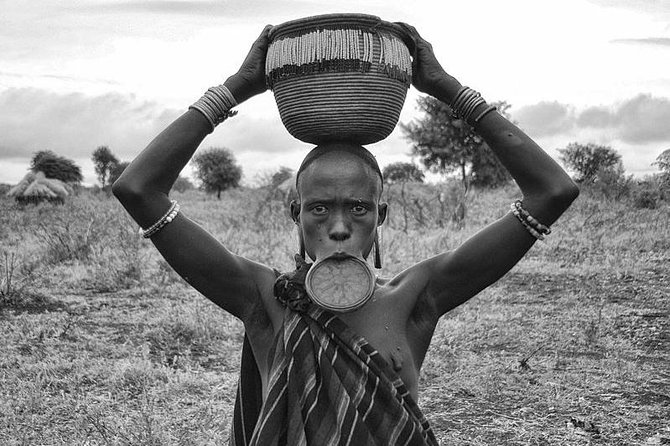
The second day brings the tour’s first major cultural encounter. You travel toward Kolcho village, where the Karo live on the banks of the Omo River. The Karo are known for traditional body painting, using designs that can be striking even before you understand their meaning or setting.
This is a good place to slow down. The attraction is not just the painted patterns. It is the chance to see how appearance, identity, and ceremony fit into village life. Your local guide and any required scout help manage the visit, interpret what you see, and handle the local arrangements.
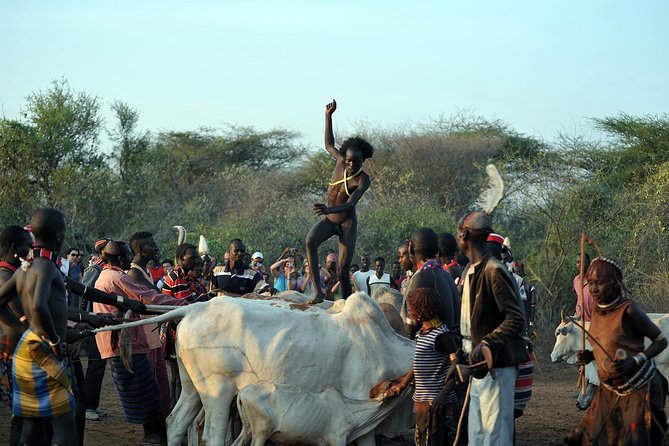
Later, you visit a Hamer village near your accommodation. Hamer women are known for red-dyed plaited hair, leather skirts decorated with shells, and careful attention to personal appearance. The village homes are made from local materials, including mud, wood, and thatch. A typical settlement is described as a group of roughly 10 to 15 huts connected to an extended family.
That detail helps you understand what you are seeing. These are not isolated display huts built for an audience. The layout reflects family life, work, and daily routines. Still, you should avoid treating the village as a photo set. Ask before taking pictures, listen to your guide, and remember that the people you meet are not performers.
This is a long day of about seven hours. The length includes driving and the visit, so expect a full schedule. The route can be tiring, but the mix of river scenery, Karo art, and Hamer domestic life makes it one of the strongest days.
Day 3: Key Afar, Jinka, and a small museum
Day three crosses dry sandy plains toward Key Afar before entering more fertile rolling hills on the way to Jinka. The change in ground and vegetation gives you a useful sense of how varied southern Ethiopia can be within a fairly short route.
In Jinka, you visit a small museum focused on local customs. This stop is valuable because it gives context before or alongside the village visits. Cultural details can be easy to misunderstand when you see them only from the outside. A museum visit helps connect clothing, ceremonies, family structures, and daily practices.
The schedule also allows for an optional walk through Jinka toward town. This is a simple chance to meet people along the way and see a more ordinary urban setting. It is not presented as a major attraction, so keep your expectations modest. Its value is in the contrast between the town and the smaller villages.
The day again runs for about seven hours. You drive out to your accommodation after the town visit, so this is another day when comfort depends on your attitude toward road time. The tour is best for someone who enjoys seeing how places connect, not for someone who wants to spend most of the day at one site.
A few more Addis Ababa trips worth weighing up
- 6 Days Omo Valley Tribes Tours From Addis Ababa
★ 5.0 · 33 reviews - 3 Days Omo Valley Tour
★ 5.0 · 24 reviews - 5 Days Omo Valley Tours
★ 5.0 · 15 reviews - 6 Days Lalibela, Omo Valley and Harar
★ 5.0 · 15 reviews
Day 4: Mago National Park and a Mursi village

An early start takes you through the mountains and into Mago National Park. The drive itself is one of the scenic parts of the trip, moving from higher, more fertile country into a drier area where you may spot dik-dik and lesser kudu.
Wildlife sightings are possible, not guaranteed. That distinction matters. This is not described as a full safari with a long list of promised animals. You are traveling through a national park while heading to a cultural visit, so treat any antelope sighting as a bonus.
The main stop is a Mursi village. Mursi women are widely known for decorated clay plates worn in the lower lip. The custom begins in adolescence, and some plates can grow to the size of a bread-and-butter plate. The practice is used less often now, and some older women have loose skin where a plate was once worn.
This is an encounter that requires care. The lip plates can attract intense attention, but they are only one part of Mursi life. Focus on the community, homes, clothing, and the explanation provided by your guide rather than reducing the visit to one striking custom. The guide’s role is especially important here, since local etiquette and photography expectations may not be obvious.
After the park and village visit, you drive back to Konso. The full day lasts about seven hours, and the early start plus rougher roads can make it feel longer. On the other hand, it brings together two very different subjects, wildlife and culture, in one day.
Day 5: Dorze homes and Lake Chamo crocodiles

The final day begins with a drive across dry plains toward Arba Minch, a fertile valley associated with ensete, often called false banana. You then climb into the Chencha mountains to visit a Dorze village.
Dorze homes are easy to recognize. Their tall, beehive-shaped structures are built with thatch and are designed around local materials and practical use. You can enter a home, watch weaving, and see a demonstration of the many uses of the false banana plant.
The Dorze are noted for weaving in wool and cotton, and the village offers one of the better shopping opportunities on the route. Buy only if you genuinely want the item, and ask your guide how purchases work. A craft purchase can support local makers, but bargaining and payment customs are best handled with local advice.
After a picnic lunch, you drive to Lake Chamo for a boat trip. The lake is known for large crocodiles, and you may also see hippopotamuses. The boat ride adds a welcome change after several days in the vehicle. It is also one of the clearest value points in the package because the boat trip is included rather than left as an optional extra.
The day lasts about five hours before you return to the airport for the flight from Arba Minch to Addis Ababa. Even with the shorter schedule, flight timing matters. Leave room for road delays and confirm exactly how the domestic flight fits into the tour arrangements.
What the $1,153.85 price covers
At $1,153.85 per person, this is not a budget road trip. The value depends heavily on how much you would otherwise have to arrange yourself.
The price includes:
- Accommodation as planned
- Transfers in and out
- Ground transport in a 4WD Toyota Land Cruiser
- Local guides and scouts where needed
- The Lake Chamo boat trip
- Entrance fees
- Village and elders payments
- Bed and breakfast
- Four breakfasts
The 4WD vehicle is important. Much of the route crosses dry plains, mountain roads, and remote areas where a standard city car would not be suitable. A private vehicle also makes it easier to follow a demanding route within five days.
The small group limit of 12 adds value. You will still need patience when several people want photos or explanations, but a group of this size is easier to manage than a large coach party. It also suits village visits better.
The exclusions are significant. International and domestic flights are not included. Alcohol, laundry, internet, telephone, fax, personal expenses, and any service not listed are also extra. Photography or videography fees may apply. Add those costs before comparing this tour with cheaper-looking alternatives.
Comfort, pace, and who should book
You should book this tour if you want a structured introduction to the Omo Valley and prefer having transport, local arrangements, entrance fees, and village payments handled for you. It suits people who value cultural contact more than polished hotels or slow mornings.
You should also be comfortable with long drives. Days two, three, and four are each listed at about seven hours, and the roads can make that time feel substantial. Accommodation is included, but the description does not give hotel names or room standards, so do not book expecting luxury.
Families can take this trip, and one reported booking included children aged 14 and 8. Still, the schedule is demanding for younger children. The tour allows most people to participate, but the road time and early start should be part of your decision.
Communication and organization deserve attention. The strongest positive feedback highlights the route, the Lake Chamo cruise, the Konso stay, and the assistance provided by the local Omo Valley guide. A French family specifically praised a guide named Euale, so you can ask whether he is available for your departure. At least one booking had serious complaints about communication and organization, including confusion over whether the trip was tailored or operated as a group. Get the group size, flights, accommodation, and exact inclusions confirmed in writing.
You can cancel for a full refund up to three full days before the start time. Inside that window, the payment is not refunded and changes are not accepted. Poor weather can lead to a new date or a full refund.
Should you book this Omo Valley tour?
Book it if your priority is seeing several southern Ethiopian communities in a short period without arranging a 4WD, guides, scouts, entrance fees, village payments, and the Lake Chamo boat trip yourself. The Karo, Hamer, Mursi, and Dorze visits give the five days a clear cultural purpose, while the park drive and crocodile cruise add variety.
Think twice if you dislike long drives, need guaranteed wildlife sightings, or expect domestic flights to be included in the advertised price. Before booking, confirm the flight costs, accommodation names, guide assignment, photography rules, and whether your departure is private or shared.
For the right person, this is a demanding but rewarding route. You trade comfort and spare time for direct access to one of Ethiopia’s most distinctive regions.
FAQ
How long does the Omo Valley tour last?
The experience lasts approximately five days.
Where does the tour begin?
The tour begins in Addis Ababa, Ethiopia.
Is pickup available?
Yes, pickup is offered.
What type of vehicle is used?
Ground transport is provided in a 4WD Toyota Land Cruiser.
What communities do you visit?
The route includes visits connected with the Karo, Hamer, Mursi, and Dorze communities.
Does the tour visit Mago National Park?
Yes. Day four includes a drive through Mago National Park, where you may see dik-dik and lesser kudu.
Is the Lake Chamo boat trip included?
Yes. The package includes a boat trip on Lake Chamo, where you may see large crocodiles and possibly hippopotamuses.
Are flights included in the price?
No. International and domestic flights are not included.
Are meals included?
Accommodation is provided on a bed-and-breakfast basis, and four breakfasts are included. Other meals are not listed as included.
What is the cancellation policy?
You can receive a full refund if you cancel at least three full days before the experience start time. Cancellations or changes made within three full days are not refunded or accepted. If poor weather causes the experience to be canceled, you will be offered another date or a full refund.
Just added around Addis Ababa
- A day trip to Wench crater Lake★ 5.0 · 4 reviews
- Day Trip to Tiya UNESCO Site & Melka Kunture Archaeological Site★ 4.5 · 3 reviews
- Perfect Escape from Busy Addis Ababa: Debre Libanos & Blue Nile Gorge excursions★ 5.0 · 6 reviews
- Local Ethiopian Food Tour★ 4.0 · 4 reviews
- Addis Ababa City Tour★ 4.5 · 3 reviews
- Local Ethiopian Food Tour★ 4.0 · 7 reviews
- Half day Addis Ababa Authentic city tour★ 5.0 · 5 reviews
- Airport Layover Tour | Half Day Addis City Tour : sightseeing, museum , markets★ 5.0 · 4 reviews
5-Day Experiences, compared.
5 DAYS Lalibela, Axum, Tigray churches and Danakil
Read our review →
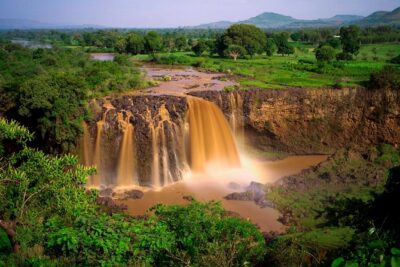
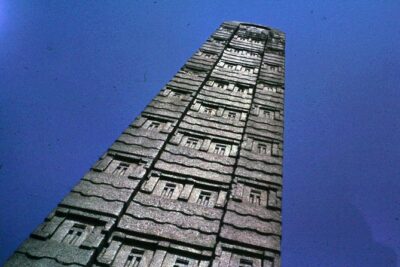
5 DAYS Axum, Lalibela, Tigray churches and Danakil
Read our review →
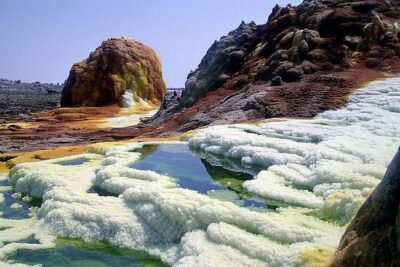
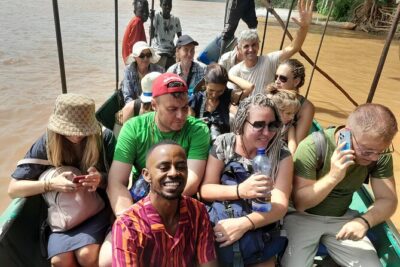
5 Day Private tour to the Omo Valley Tribes and Adventure Tour
Read our review →
5 Days Tour to World Heritage–listed Harrar, Dire Dawa and Awash NATIONAL PARK
Read our review →Browse the lists this tour appears in