
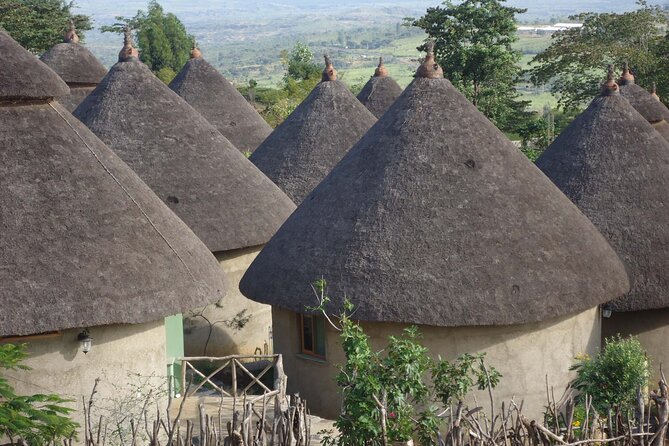
Reviewed · 6-DAY TOURS IN THE OMO VALLEY
6 day Omo ValleyTours
The Omo Valley is one of Ethiopia’s most unusual destinations, where a few days can bring you face to face with Hamar ceremonies, Karo body painting, Dassanech villages, Mursi lip plates, and Dorze food traditions. This tour gives you a broad look at the region rather than just one community. The cultural range is the main draw.
I like the route’s variety, especially the dugout canoe crossing to a Dassanech village and the chance to visit the Karo beside the Omo River. I also like the personal service: tour manager Mickey and guide Abey are praised for prompt communication, good English, and adapting plans to fit a short visit or a set budget. The main caution is the pace. Long drives, basic regional logistics, and unclear flight timing make this better for an energetic, flexible visitor than for someone seeking a relaxed holiday.
Key points to know before you book
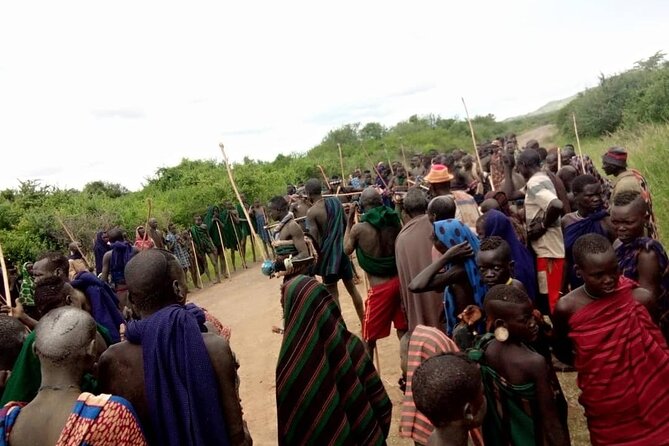
- Six ethnic communities in one fast-moving route: Visit Hamar, Karo, Dassanech, Mursi, Konso, and Dorze communities across southern Ethiopia.
- Market days shape the program: Monday, Tuesday, Thursday, and Saturday offer the best chance to visit a tribal market in places such as Jinka, Keyafer, Alduba, or Turmi.
- The Dassanech visit includes a canoe crossing: From Omo Rate, you cross the Omo River in a dugout canoe and walk about 10 minutes to the village.
- Mursi country requires a long day: The route passes through Mago National Park before reaching the Mursi community.
- The price covers ground services, not flights: At $899 per person, accommodation, meals, guides, vehicles, entrance fees, and taxes are included, but domestic flights are extra.
- Expect a small group: The maximum is 15 people, with airport pickup and a return to the starting point included.
Why the Omo Valley is worth the effort
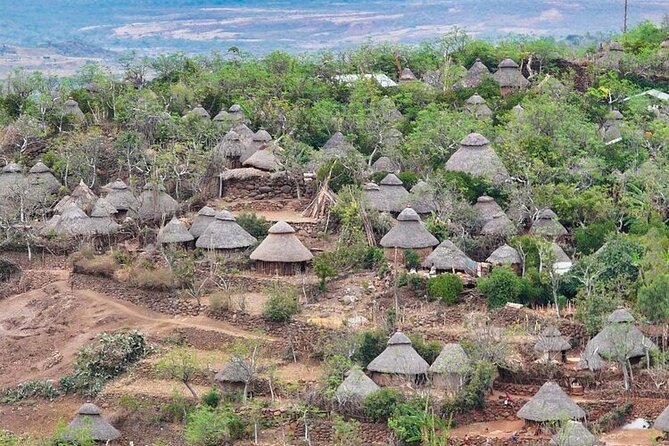
The Omo Valley is not a single attraction. It is a wide southern Ethiopian region where distinct groups have maintained different languages, customs, clothing, hairstyles, food traditions, and forms of body decoration. That variety is what makes the journey so powerful, but it also means the tour involves plenty of road time.
You are not visiting a museum display. You are entering living communities, and that calls for patience and respect. Body painting, scarification, clay lip plates, elaborate headdresses, and ceremonial dances are meaningful cultural practices, not just photo subjects. Your guide matters greatly here. A good guide helps you understand what you are seeing and keeps village visits from feeling rushed or careless.
The program also shows a region changing quickly. Outside influences are reaching communities that were isolated for generations. I find that context important: the visit is not simply a search for a frozen version of the past. It is a chance to see how local traditions continue, adapt, or face pressure.
More 6-Day Tours in the Omo Valley
- 6 Days Omo Valley Tribes Tours From Addis Ababa
★ 5.0 · 33 reviews - 6 Days Lalibela, Omo Valley and Harar
★ 5.0 · 15 reviews - Omo Valley Tribes 6 Days Tours
★ 4.9 · 10 reviews
Day 1: From Jinka Airport to Hamar country in Turmi
Your guide meets you at Jinka, also called Baco, Airport. From there, the road to Turmi covers about 130 kilometers and takes roughly two hours, though the full day is listed at about six hours once visits and stops are included.
Turmi is home base for the Hamar portion of the trip. If your arrival matches a market day, you may stop at a market in Jinka, Kako, Keyafer, Alduba, or Turmi. The available days are Monday, Tuesday, Thursday, and Saturday. This is a useful detail when choosing flights, since a market visit can add a lively, practical look at local trade to the cultural program.
Later, you visit a Hamar village. The Hamar are known for distinctive dress, hair styling, body decoration, and ceremonies. The program may also include a Bull Jumping Ceremony or Evangadi dancing, but both are listed as optional, so you should not assume either will take place during your dates.
You spend two nights at Paradise Lodge Turmi. This keeps the first two days efficient because you do not have to pack and change hotels after every visit. The tradeoff is that Turmi is a base for long rural drives, so the days still feel active.
Day 2: Karo body painting along the Omo River
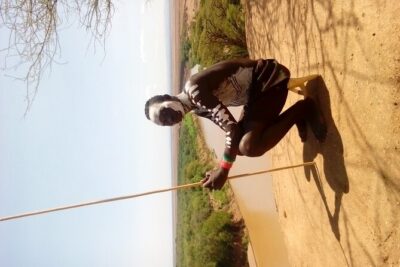
The second day heads west from Turmi for about 65 kilometers, or around one hour, to meet the Karo, also called Kara. They live beside the Omo River and are known for elaborate face and body painting.
This is one of the tour’s most memorable cultural stops because the decoration is immediately visible, yet it has more meaning than a quick photo opportunity. You may have the chance to have your own face or body painted in the Karo style. If you choose to do so, ask your guide how to approach it respectfully and whether a payment or local permission is expected.
You return to Turmi for lunch, then may visit another market if the calendar lines up. The Hamar Bull Jumping Ceremony and Evangadi dancing may also be available as optional activities.
The day is listed at seven hours. That sounds manageable, but rural roads, village visits, and waits around ceremonies can make the timing less predictable. I would keep the evening open rather than planning a fixed activity.
Day 3: A dugout canoe to the Dassanech
After breakfast, the route heads toward Omo Rate, a town near the Kenyan border. The drive is about 72 kilometers and is listed at around one hour. You first go to the immigration post, then cross the Omo River by dugout canoe.
The canoe ride is short, but it gives the day a special sense of place. After crossing, you walk about 10 minutes to reach the Dassanech village. This is a direct way to encounter the community rather than simply passing through a roadside market.
You return to Turmi for lunch, with another possible market stop if the day is Monday, Tuesday, Thursday, or Saturday. Afterward, you continue to Jinka for the night at Eco-Omo Lodge, in rooms in the newer building.
This is another seven-hour day, and it packs several distinct steps into one schedule: drive, border-area stop, river crossing, village walk, return drive, lunch, and onward travel. Wear footwear that is easy to remove or secure, and keep anything valuable protected during the canoe crossing. Those are simple precautions rather than special gear requirements.
More 6-Day Tours in Addis Ababa:
- 6 Days tour Package (Simien Mountains, Lalibela, and Danakil Depression)
★ 5.0 · 32 reviews - 6 Days Bale Mountains Trekking
★ 5.0 · 10 reviews - 6 Days Omo valley Tribal Tour (Starts Arba Minch End Jinka)
★ 5.0 · 7 reviews - 6-Day Omo Valley Cultural Private Tour
★ 5.0 · 6 reviews
Day 4: Mursi communities and the road to Konso
Day four is the longest road day, listed at eight hours. You drive about 50 kilometers through Mago National Park to visit the Mursi. The Mursi are especially known for the lip plates worn by some women, a practice that has become one of the most recognizable images associated with the Omo Valley.
The visit can be visually striking, but this is also a place where respectful conduct matters most. Do not treat people as costumes or props. Let your guide explain how to interact, ask before taking photographs, and remember that an unusual appearance does not make a person an attraction.
After the Mursi visit, you return to Jinka and continue about 150 kilometers to Konso. The evening includes a visit to a Konso village, giving you a useful contrast with the previous communities. Konso culture is known in the program for its village setting and distinct local traditions, though the schedule does not promise a particular ceremony.
You stay at Kanta Lodge in Konso. Since this day combines a national park drive, a community visit, and a long transfer, it is likely to be tiring. It is also one of the most important days for understanding how much ground this six-day plan covers.
Day 5: Dorze food and craft traditions near Arba Minch

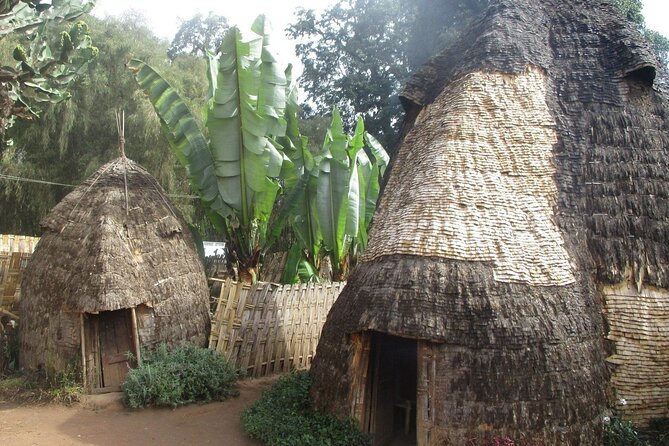
The route continues for about 130 kilometers toward the Dorze people, who live on Guge Mountain at an altitude of about 2,400 meters. The higher setting brings a change of climate and scenery after the warmer Omo Valley stops.
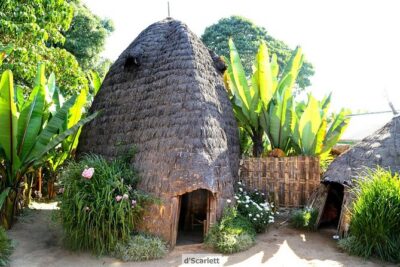
The Dorze visit focuses on handicrafts, including weaving and pottery, and on food preparation. You can see how kocho is prepared from the false banana plant, known locally as enset. This is a valuable part of the trip because food tells you how people use local crops, organize daily work, and pass traditions from one generation to the next.
After lunch, the plan sends you to Arba Minch Airport for an afternoon flight to Addis Ababa. This creates an important scheduling question: the program also includes an Arba Minch and Lake Chamo day labeled Day 6. Before paying, ask the operator to confirm the exact flight date, airport sequence, and whether Day 6 is part of your booking or an alternate schedule.
That is not a minor detail. Domestic flights are excluded from the $899 price, and the published plan appears to place an Addis flight on Day 5 while also offering another Arba Minch day afterward. Mickey has been praised for arranging custom plans on short notice, so direct communication may help resolve this, but you should have the final schedule in writing.
Day 6: Lake Chamo, the fish market, and Arba Minch
The final day starts with pickup from your hotel at about 8 a.m. You go to Lake Chamo by boat for several hours, with time to see crocodiles, a fish market, and the lake itself.
This is a calmer finish than the Mursi and Dassanech days. The boat outing gives you time to sit, watch the water, and see a different side of southern Ethiopia. The program specifically includes crocodiles and a fish market, so you know what the outing is meant to cover.
After the boat trip, you return to Arba Minch for a city walk before lunch. Transfer to the airport is scheduled for about 1:30 p.m. for the flight to Addis Ababa.
Again, confirm how this day fits with the Day 5 flight details. The supplied schedule may reflect different flight options or a date adjustment, but the important point is simple: do not book your international departure from Addis without checking the domestic flight plan and allowing a safe buffer.
What the $899 price really covers
At $899 per person, this is not a cheap independent road trip, but the price includes a substantial package:
- Air-conditioned vehicle
- Local guide
- Accommodation
- Entrance fees listed in the program
- Airport and departure tax
- Government taxes
- Five breakfasts
- Five dinners
- Six lunches
The value is strongest if you want one company to handle transport, lodging, meals, local guiding, and entrance arrangements across a difficult region. Organizing this route alone would mean dealing with long distances, changing hotels, village visits, park access, and domestic flights.
The price does not include drinks or domestic flights. Since the route mentions flights from Arba Minch to Addis Ababa, airfare could materially change your final budget. Ask how many flights you need and which airports are included before comparing this tour with another option.
Accommodation is practical rather than presented as a luxury feature. You stay at Paradise Lodge Turmi for two nights, Eco-Omo Lodge Jinka, and Kanta Lodge Konso. The newer building rooms at Eco-Omo are specifically identified, which is useful when confirming your booking.
Guides, group size, and the human side of the trip
The maximum group size is 15, small enough for a more manageable vehicle and easier coordination than a large coach. Pickup is offered, and the activity begins at Bole Addis Ababa International Airport at 9 a.m., ending back at the meeting point.
The company’s strongest personal praise centers on Mickey, also called Yigzaw in the management responses, and guides including Abey and Robel. The most useful takeaway for you is not a promise that one specific person will lead every departure. Staffing can change. Instead, ask who your assigned guide and driver will be, and confirm that they speak the language you need.
Clear communication seems to be a major strength. The tour can be adjusted around limited time and budget, which is especially useful because the schedule has several moving parts. Still, flexibility should not replace clarity. Get the exact hotel list, flight plan, and daily route before departure.
Who will enjoy this Omo Valley tour
I would recommend this trip to you if you want a broad cultural introduction and accept that the road is part of the experience. It suits people who are comfortable with early starts, several-hour drives, simple regional lodging, and plans that may shift around ceremonies, markets, weather, or transport.
It is also a good match if you value a local guide and want help with the social side of village visits. The range is impressive: Hamar, Karo, Dassanech, Mursi, Konso, and Dorze communities all appear in one compact program.
I would be more cautious if you want slow travel, polished hotels, or long unscheduled breaks. The six days cover a lot, and the Mursi and Konso day in particular asks you to spend much of the day on the road. Anyone with strict flight connections should also confirm the Arba Minch and Addis schedule before booking.
Most travelers can participate, according to the tour details, and the stated group limit is 15. No special access restrictions are listed, but the canoe crossing, village walks, and long drives mean you should be ready for ordinary travel conditions outside major cities.
Should you book it?
Book this tour if your priority is seeing as much of the Omo Valley as possible in a short time, with local support and most ground costs bundled into one price. The Karo painting traditions, Dassanech canoe crossing, Mursi visit, Dorze food preparation, and Lake Chamo boat trip give the route real variety.
Before booking, settle three points: the exact flight schedule, the total domestic airfare, and who will guide your departure. If those details are clear, $899 can be fair value for a demanding but unusually broad introduction to southern Ethiopia.
The tour offers free cancellation up to 24 hours before the local start time. That gives you some flexibility, but changes or cancellations inside that window are not accepted for a refund.
FAQ
Where does the tour start?
The tour starts at Bole Addis Ababa International Airport in Addis Ababa, Ethiopia. Pickup is offered, and the stated start time is 9 a.m.
Where does the tour end?
The activity ends back at the meeting point in Addis Ababa after the return flight arrangements described for the trip.
Are domestic flights included in the $899 price?
No. Domestic flights are not included. Drinks are also excluded, while the listed vehicle, guide, accommodation, meals, entrance fees, taxes, and airport or departure tax are included.
Which days have tribal markets?
Market visits may be available on Monday, Tuesday, Thursday, and Saturday. Possible market locations include Jinka, Kako, Keyafer, Alduba, and Turmi.
How large is the group?
The maximum group size is 15 people.
Can I cancel for a full refund?
Yes, you can cancel up to 24 hours before the experience start time for a full refund. Cancellations or changes made less than 24 hours before the local start time are not accepted for a refund.
Just added around Addis Ababa
- Arba Minch, Dorze Tribe, Konso, and Awasa Private 4 Days Tour from Addis Ababa★ 5.0 · 3 reviews
- 2 Days Ethiopian Rift Valley Lakes Tour from Addis Ababa★ 5.0 · 6 reviews
- Taste of Addis: A Delicious 3-Hour Journey Ethiopian Flavors★ 5.0 · 4 reviews
- Pup crawl and nightlife tour in Addis Ababa.★ 5.0 · 4 reviews
- Mogle Mountain Hiking For Birding, Natures From Addis Ababa★ 5.0 · 5 reviews
- Fully guided city tours of Addis Ababa with hotel pickup★ 5.0 · 5 reviews
- Addis Ababa City Experience : Markets, Coffee & Local Life★ 4.8 · 5 reviews
- From Addis Ababa: 2-Day Awash National Park and Crater★ 4.1 · 3 reviews
6-Day Tours in the Omo Valley, compared.
6 Days Omo Valley Tribes Tours From Addis Ababa
Read our review →

6 Days Omo valley Tribal Tour (Starts Arba Minch End Jinka)
Read our review →
Browse the lists this tour appears in