
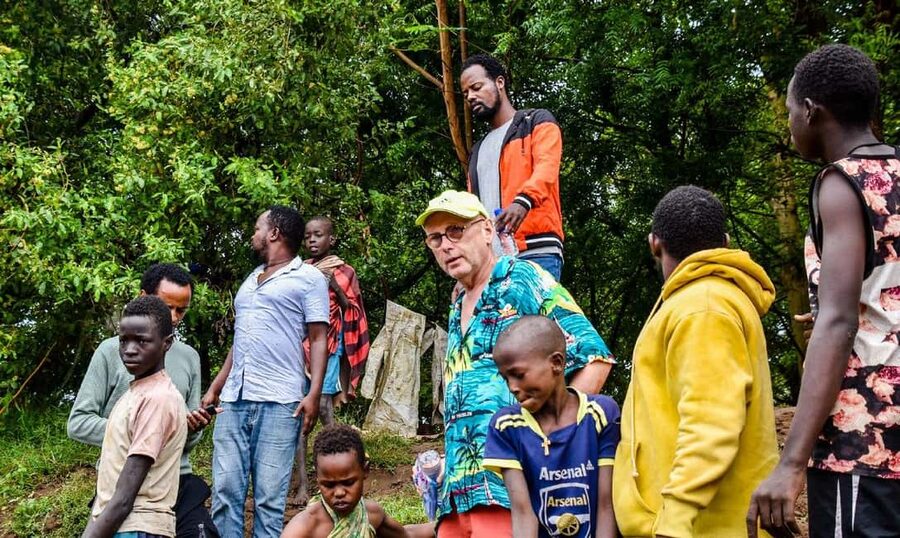
Reviewed · TRIBAL TOURS
Omo Valley Tribes 6 Days Tours
The most striking part of this six-day journey is the sharp change from Addis Ababa’s museums and markets to the remote communities of southern Ethiopia. You’ll meet people from cultures that speak dozens of languages, see Dorze beehive-shaped houses, and visit Mursi, Hamer, Dassanech, Bana, Konso, and Ari communities.
I like the route’s variety: Lake Chamo’s crocodiles and hippos break up the driving, while the visits to Tiya, Konso, and Dorze add archaeology, farming traditions, and architecture. I also like that the price includes the car, professional driver, local guides, entrance fees, and the boat trip. The main caution is the pace. Expect long road days, simple accommodation in some towns, and extra costs for lunch, dinner, drinks, tips, flights, and cultural ceremonies.
Key things to know before booking
- Six days, several very long drives: The tour covers Addis Ababa, Arba Minch, Chencha, Konso, Turmi, Omorate, Jinka, Mago, and Addis Ababa.
- The cultural visits are the heart of the trip: You’ll see Dorze, Konso, Bana, Hamer, Dassanech, Mursi, and Ari communities.
- Lake Chamo adds a welcome change of pace: The boat trip includes views of crocodiles, hippos, and many bird species.
- The price covers the main touring machinery: Accommodation with breakfast, a professional driver, guides, entrance and scout fees, and the boat ride are included.
- Bring cash for extras: Lunch, dinner, tips, alcohol, local flights, and entry to a ceremony or festival are not included.
- This suits active cultural tourists: It is not suitable for babies under one year or people over 140 kilograms.
Why the Omo Valley route is worth the effort
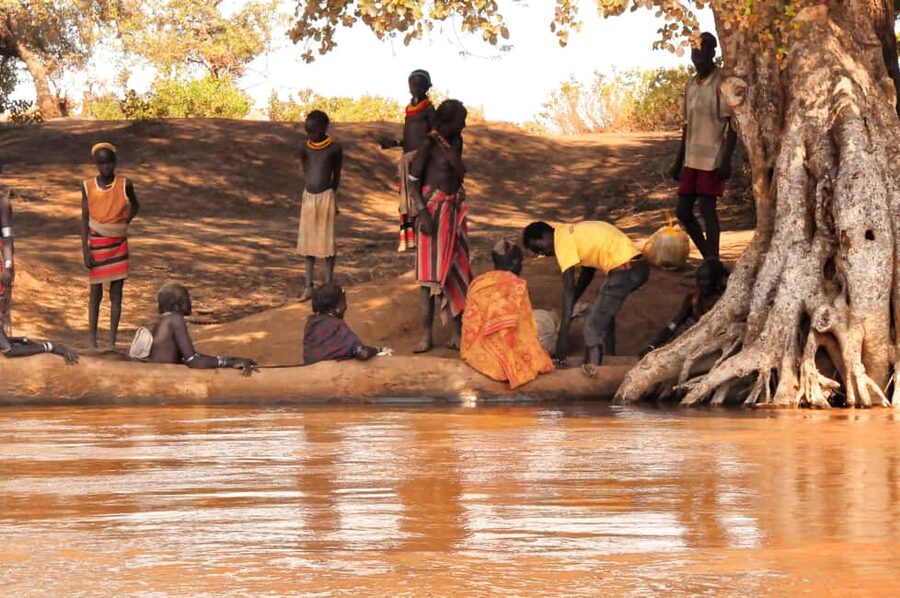
The Omo Valley is not one single culture. More than 200,000 people live across the area, speaking 47 different languages. That fact gives this tour its real value: each stop brings a different way of dressing, building homes, farming, herding, or organizing village life.
You should come with curiosity rather than a checklist. The communities you visit are not museum displays. Your guide helps you enter these places respectfully, but the experience can still feel arranged for visitors, especially where local guides, scouts, or photo payments are involved. Keep an open mind and ask your guide how each visit works before taking pictures.
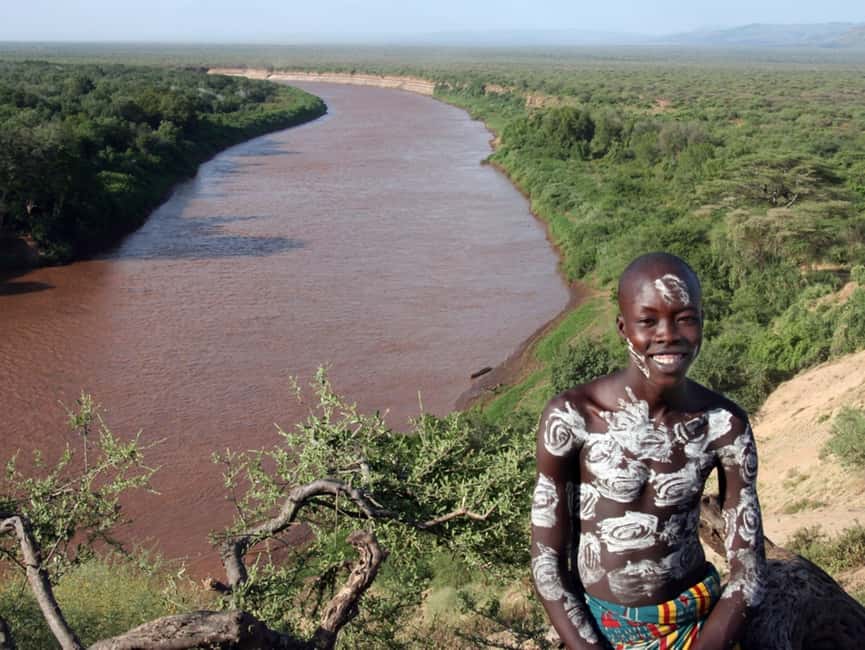
The route also puts the cultural stops in a wider setting. You begin with Ethiopia’s national story in Addis Ababa, pass ancient stone markers at Tiya, see terrace farming around Konso, and then reach the lower Omo communities. That progression helps you understand that southern Ethiopia is not an isolated pocket of culture. It is part of a much older and larger human story.
More 6-Day Tours in the Omo Valley
- 6 Days Omo Valley Tribes Tours From Addis Ababa
★ 5.0 · 33 reviews - 6 Days Lalibela, Omo Valley and Harar
★ 5.0 · 15 reviews - 6 Days Omo valley Tribal Tour (Starts Arba Minch End Jinka)
★ 5.0 · 7 reviews
Day one in Addis Ababa: Lucy, churches, and Merkato
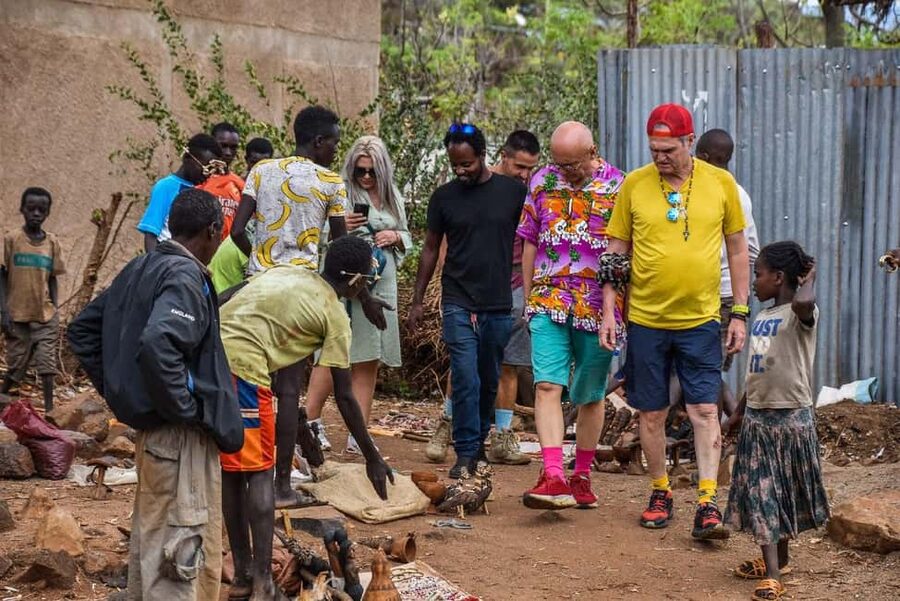
After arrival, you transfer to your Addis Ababa hotel and begin sightseeing once you have refreshed. The first major stop is the National Museum, home to Lucy, the famous early hominid fossil. Even a short visit gives the whole trip a useful frame. You are not just heading out to see unusual clothing or houses. You are visiting a region tied to some of the oldest chapters in human history.
The Holy Trinity Cathedral comes next. It was built during the period of the Second World War and offers a look at Ethiopia’s Christian tradition and modern national story. Then you visit the Ethnographic Museum, housed in what was once Emperor Haile Selassie’s palace. This is a strong choice for the first day because it introduces Ethiopian peoples and customs before you meet communities in the south.
The final stop is Merkato, described as the biggest market in East Africa. Expect a crowded urban market setting rather than a polished shopping center. You may find this part exciting or tiring, depending on your taste for busy streets and fast-moving city life.
The overnight stay is at Triple-E Hotel and Spa in Addis Ababa. Since the next morning starts early, keep the evening simple. The tour does not include lunch or dinner, so plan on paying for those yourself.
Day two: Tiya and the road to Arba Minch
After breakfast, you head south toward Tiya and Arba Minch. This is a substantial driving day, but Tiya gives the journey a clear historical purpose. The UNESCO-listed site contains engraved standing stelae, described as the northernmost example of this particular type of monument in southern Ethiopia.
The stones are unusual because their markings remain the main attraction, yet the information provided for the tour does not explain every symbol or give a full date for the site. That makes your local guide especially important. Ask for context rather than rushing through the stop for photographs.
You continue to Welayta for lunch, which is not included in the tour price. Afterward, the road carries you to Arba Minch, where you spend the night at Paradise Lodge.
This day is best understood as a transfer with an important archaeological stop, not as a relaxed sightseeing day. If you dislike long stretches in a vehicle, the schedule may feel demanding. The reward is that you reach the southern part of the country without adding an internal flight, though local flights are also excluded if you choose to arrange one.
Day three: Lake Chamo, Dorze homes, and Konso
The third day begins with a boat trip on Lake Chamo. The stop known locally as the crocodile market is not a place where crocodiles are bought or sold. It is a location where crocodiles come out of the water to rest.
From the boat, you can also see hippos and different bird species. This is one of the tour’s most appealing sections because it gives you a break from road travel and lets you see wildlife from the water. The outing is included in the price, which improves the tour’s value.
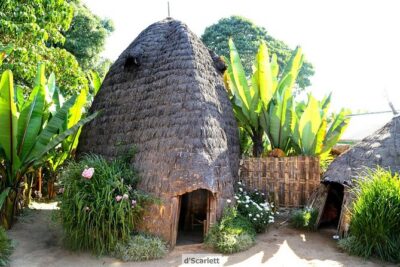
After Lake Chamo, you drive into the Gughe Mountains to visit a Dorze village. The Dorze are known for their tall, beehive-shaped huts, which are among the most visually striking traditional homes in Ethiopia. The buildings are a major reason to make the climb into the mountains, but the visit also shows how architecture can respond to local materials and daily needs.
You return to Arba Minch for lunch, then continue to Konso. The timing makes this another full day. The schedule says the overnight stay is at Kanta Lodge in Konso, but the next morning begins with a Konso village visit, so you are well placed for that.
More Omo Valley tribal trips:
- 9 Days Tours To Danakil Depression, Simen MNP, Lalibela With Omo Valley Tribes
★ 5.0 · 11 reviews - 5 Day Private tour to the Omo Valley Tribes and Adventure Tour
★ 5.0 · 11 reviews - From Jinka: Omo Valley Tribe 3-Day Tour
★ 5.0 · 9 reviews - 5 Days Omo Valley Tribal Tours
★ 5.0 · 7 reviews
Day four: Konso terraces, Bana style, and Hamer country
Konso is one of the most important stops on the route. The area is known for its carefully made terraces, which reflect generations of farming in difficult conditions. You also hear about Konso coffee, considered among the best types produced in Ethiopia.
The value here is not only visual. Terraces show how people manage soil, water, and slopes over time. This is a good place to slow down and listen to your guide. The tour description gives only a short outline, so ask how the terraces are used and what makes Konso coffee distinctive.
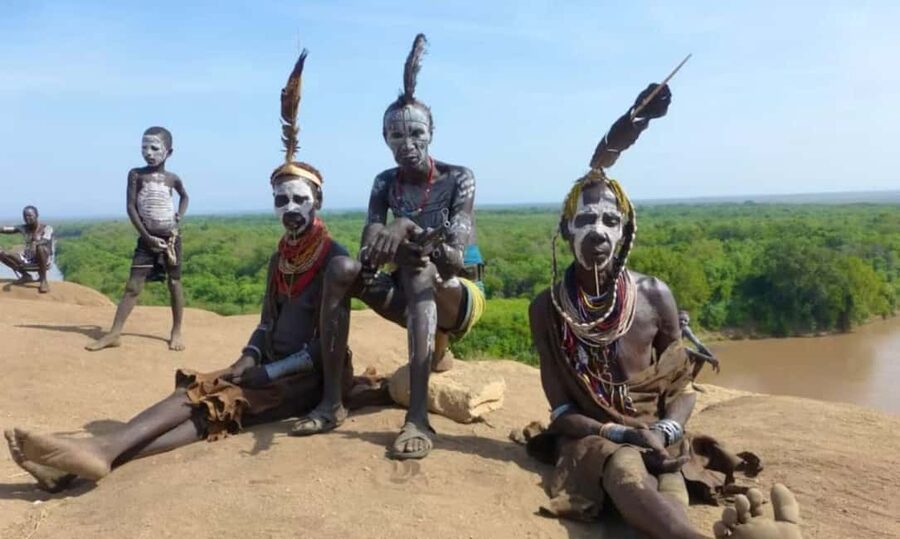
Next comes a Bana village. The Bana are indigenous pastoral and semi-nomadic people living in the harsh environment of the lower Omo Valley. Their way of life differs from the settled farming communities around Konso.
The Bana men are known for hair dressed in a colorful clay cap decorated with feathers. This detail may catch your eye, but it is worth treating clothing as part of identity rather than costume. Ask before taking close photographs, and let your guide explain local expectations.
You then continue to Turmi, home of the Hamer people. The day’s route links three very different settings: agricultural terraces, pastoral life, and Hamer country. You stay at Emerland Lodge in Turmi.
The tour does not include admission to a cultural ceremony or festival. If one happens to be offered as an optional event, expect to pay separately. Do not assume that a ceremony is part of the $1,400 price.
Day five: Omorate and the Dassanech community
From Turmi, it is about 75 kilometers and roughly two hours to Omorate. The journey takes you toward the northern shore of Lake Turkana, where the Dassanech people live. The name is sometimes explained as people of the delta, a fitting description for a community linked to this dry, water-shaped part of the region.
You visit the Dassanech community, return to Turmi for lunch, and then drive onward to Jinka. Lunch remains your responsibility, so carry cash and allow time for the meal.
This day is less about a long list of monuments and more about reaching a distinct community at the far end of the route. The drive matters because it shows how widely separated the Omo Valley communities can be. You are not visiting one compact cultural park. You are covering real distances between towns and villages.
The overnight stay is at Jinka Resort. Jinka becomes your base for the final excursion to Mago National Park area and the Mursi community.
Day six: Mursi and Ari communities before the return
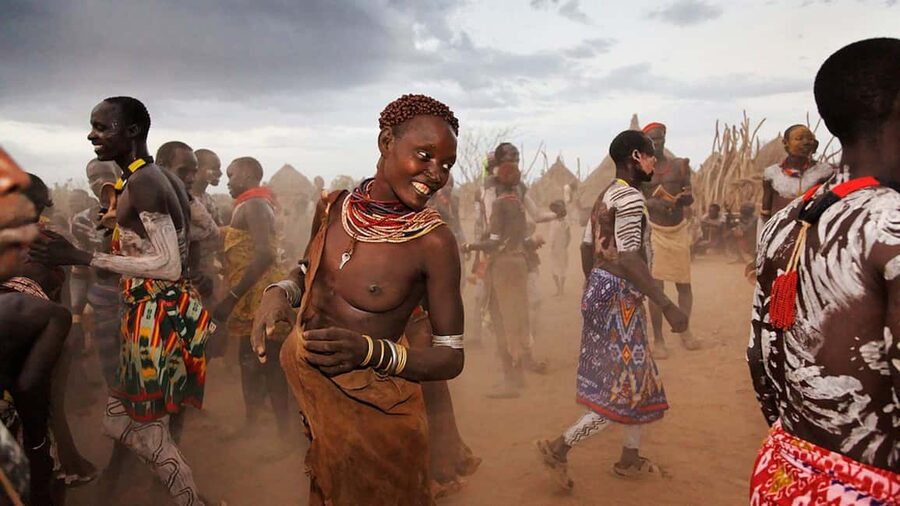
The final day includes an excursion from Jinka to visit the Mursi. They are described as one of Ethiopia’s most distinctive ethnic groups and are known for low huts made from straw and leaves.
Mursi women are also known for terra-cotta plates worn in stretched lower lips and ear lobes. This is a detail many people expect to see, but it deserves respectful attention. The visit can be visually powerful, yet it is also the point where responsible behavior matters most. Follow your guide’s instructions about photographs, personal space, and payments.
After returning to Jinka for lunch, you visit the Ari people, the largest population in the lower Omo Valley. The itinerary then lists the drive from Jinka to Mago and back to Jinka before returning to Addis Ababa. It does not specify the exact arrival time in Addis, the final accommodation, or whether the return is by road or local flight. Confirm those details before booking, especially if you have a connecting flight.
The Ari visit gives the final day a useful counterpoint. The tour does not end with only the most famous visual customs. It also introduces you to the largest population in the lower Omo Valley, adding scale to what you have seen.
What the $1,400 price really covers
At $1,400 per person, this is not a cheap short excursion. It is a six-day private-style touring package with several hotel nights, a vehicle, a professional driver, local guides, entrance and scout fees, and the Lake Chamo boat trip.
That bundle matters in southern Ethiopia. The distances are long, and the route involves several places where a guide and scout are part of the visit. Paying separately for every entrance, transfer, and boat trip could make an independent arrangement less simple.
Still, budget for the items left out:
- Lunch and dinner
- Tips
- Alcoholic drinks
- Local flights
- Entry to cultural ceremonies or festivals
The quality of the hotels may not be even throughout the route. You should expect a mix of accommodation standards, and one part of the available feedback raises a clear concern about some hotels being focused more on profit than on guest satisfaction. That does not cancel the value of the tour, but it means you should choose it mainly for the route and guiding, not for luxury lodging.
The strongest praise goes to the kind, polite English-speaking driver and the local guides. That is important. On a trip with this much road time, a good driver affects comfort, timing, and your sense of security. Local guides also help explain customs that would be easy to misunderstand.
Practical matters that affect your days
Bring your passport and cash. Cash is useful for meals, tips, drinks, and any optional cultural event. The information provided does not specify card access in each town, so relying only on cards would be unwise.
English is the listed tour language. The arrangement includes a professional guide and driver, plus local guides for the communities and sites. No individual guide names are provided, so you cannot request a particular guide based on the available details.
The tour is not suitable for babies under one year or people weighing more than 140 kilograms. Those limits matter because of the long road days, the vehicle, and the nature of the route.
You can reserve and pay later, and cancellation is allowed up to 24 hours in advance for a full refund. That gives you some flexibility, though you should still confirm the final transport plan and accommodation before your departure.
Who should book this Omo Valley tour?
I would recommend it to you if you want a broad first look at southern Ethiopia and prefer having the transport, entrance fees, and guiding arranged. It works particularly well for someone who wants archaeology, wildlife, village visits, and several cultural groups in one trip.
You should think twice if you want slow travel, upscale hotels, or long stays in each community. The itinerary moves quickly, and several days combine sightseeing with heavy driving. You will also need patience with uneven accommodation and extra costs.
The tour’s best features are its reach and human contact. In six days, you see Lucy in Addis, Tiya’s stone markers, Lake Chamo wildlife, Dorze homes, Konso terraces, and several lower Omo communities. That is a lot of Ethiopia in a short time.
FAQ
How long is the Omo Valley Tribes tour?
The tour lasts six days and covers Addis Ababa, Tiya, Arba Minch, Chencha, Konso, Turmi, Omorate, Jinka, Mago, and the return to Addis Ababa.
What is the tour price?
The listed price is $1,400 per person.
What is included in the price?
Accommodation with breakfast, a professional guide, entrance and scout fees, the Lake Chamo boat trip, and a car with a professional driver are included.
Are meals included?
Breakfast is included with the accommodation. Lunch and dinner are not included.
Which communities can I visit?
The route includes Dorze, Konso, Bana, Hamer, Dassanech, Mursi, and Ari communities.
Is the Lake Chamo boat trip included?
Yes. The boat trip is included and is used to see crocodiles, hippos, and different bird species.
What should I bring?
Bring your passport and cash. Cash is useful for excluded costs such as meals, tips, drinks, and optional cultural ceremonies.
Should you book it?
Book this tour if you value access and variety more than comfort. The route gives you a well-supported way to reach several hard-to-connect communities, and the English-speaking driver, local guides, entrance fees, and Lake Chamo boat trip make the package practical.
Skip it if you need polished hotels, a relaxed schedule, or a clearly stated final transfer plan. For everyone else, this is a demanding but worthwhile introduction to one of Ethiopia’s most culturally varied regions.
More 6-Day Tours in Ethiopia
- 6 Days tour Package (Simien Mountains, Lalibela, and Danakil Depression)
★ 5.0 · 32 reviews - 6 Days Bale Mountains Trekking
★ 5.0 · 10 reviews
Just added around Ethiopia
- Best of Addis Privet Guided city Tour★ 5.0 · 6 reviews
- Debre Libanos Monastery & Scenic Portuguese Bridge Tour★ 5.0 · 4 reviews
- Addis Ababa: Entoto hill and Mercato Market layover tour★ 5.0 · 5 reviews
- Addis Night Life yod Abissinia★ 3.8 · 4 reviews
- Day trip Adadi Mariam, Melka Kunture and Tiya stele★ 3.1 · 5 reviews
- Addis Ababa city tour from Bole airport and All Hotels★ 4.0 · 3 reviews
- Addis Ababa Essentials: Flexible Full-Day City Sightseeing★ 5.0 · 3 reviews
- A perfect day trip to Lake wenchi from Addis Ababa★ 5.0 · 3 reviews
Tribal Tours, compared.
6 Days Omo Valley Tribes Tours From Addis Ababa
Read our review →
9 Days Tours To Danakil Depression, Simen MNP, Lalibela With Omo Valley Tribes
Read our review →
5 Day Private tour to the Omo Valley Tribes and Adventure Tour
Read our review →


6 Days Omo valley Tribal Tour (Starts Arba Minch End Jinka)
Read our review →Browse the lists this tour appears in