
Reviewed · 6-DAY EXPERIENCES
6 days private Sight Seeing Tours.
Southern Ethiopia gives you a very different kind of sightseeing: remote villages, living traditions, and hard-working communities rather than a string of polished attractions. This six-day private tour links Jinka, Mago National Park, the Dassanach area, Konso, Arba Minch, Lake Chamo, and Dorze village in one demanding but rewarding route.
I like the small scale, with no more than three people in one car, and I like the range of the trip. You get tribal culture, farming traditions, wildlife, photography, geology, and UNESCO-listed Konso in one package. The main drawback is the pace: several days involve long drives, early starts, basic accommodation, and plans that may need to shift with weather or local conditions.
Key points to know before booking
- Three-person maximum: This is a genuinely private experience, not a large coach tour.
- Six very different stops: Ari, Mursi, Dassanach, Konso, Banna, and Dorze communities each offer a distinct cultural setting.
- Wildlife included: Lake Chamo is visited for crocodiles, hippopotamuses, and aquatic birds.
- Strong local guide support: Fasil is praised for careful planning, clear answers, restaurant suggestions, and attention to weather.
- Most major costs are covered: Transport, fuel, driver, rooms, food, soft drinks, entrance fees, and taxes are listed as included.
- A demanding route: The itinerary begins with a flight to Jinka but lists Arba Minch as the starting point, so confirm the exact meeting and flight arrangements before paying.
Why this southern Ethiopia route is worth considering
I see this as a culture-first trip with wildlife and scenery added along the way. You are not simply driving from one photo stop to another. The route brings you into communities with different languages, customs, architecture, farming methods, and ways of making a living.
The private format matters here. With only your group in the car, you can ask questions, spend more time at a village when appropriate, and discuss photography or local customs with your guide. Fasil is identified as the guide, and the strongest praise centers on his planning, practical help, and care with weather conditions.
The trip also gives you a useful contrast between lowland and highland Ethiopia. Jinka and the Mago area feel very different from Konso and the Gughe Mountains near Dorze. That change in terrain helps explain why communities in southern Ethiopia have developed such different homes, crops, clothing, and ceremonies.
Still, this is not a soft, easy holiday. The itinerary includes a seven-hour day in Mago National Park, a five-hour visit around the Dassanach area, and another five-hour cultural day around Konso and Arba Minch. Accommodation is described by name in some places, but not in full detail, so you should expect practical rather than luxurious lodging.
More 6-Day Tours in Ethiopia:
- 6 Days Omo Valley Tribes Tours From Addis Ababa
★ 5.0 · 33 reviews - 6 Days tour Package (Simien Mountains, Lalibela, and Danakil Depression)
★ 5.0 · 32 reviews - 6 Days Lalibela, Omo Valley and Harar
★ 5.0 · 15 reviews
Day 1: Flying to Jinka and meeting the Ari community
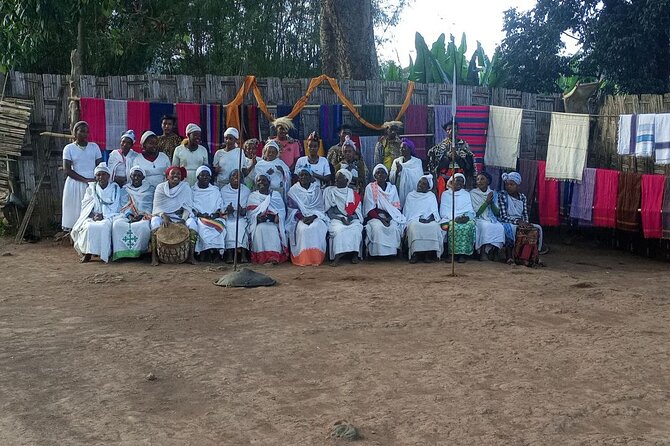
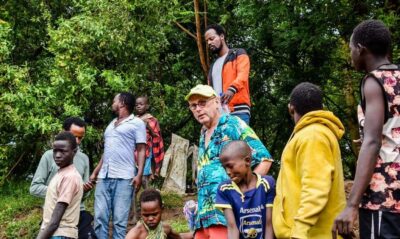
The first day takes you by air to Jinka, followed by an afternoon visit to an Ari village near town. The Ari are one of the communities in the Jinka area, and this first stop gives you a gentle introduction before the longer road days begin.
The timing is sensible. An afternoon village visit lets you reach Jinka, settle into the area, and then see rural life without trying to cram in a full day of sightseeing. You spend the night at Nasa Pension.
The Ari visit is also useful as a cultural starting point. Instead of opening with the most famous image from southern Ethiopia, the tour begins with a community encounter that can help you understand the region in broader terms. Ask your guide to explain local farming, family life, and how the Ari differ from the communities visited later.
The key practical issue is the starting point. The meeting point is listed as Arba Minch at 7:00 am, while Day 1 says you take a flight to Jinka. Those details do not fully match. Confirm whether the price includes the flight, where you board it, and whether the tour formally begins in Arba Minch or Jinka.
Day 2: Mursi culture inside Mago National Park
Day 2 takes you through Mago National Park to meet the Mursi community. The listed duration is about seven hours, so this is one of the trip’s longest and most active days.
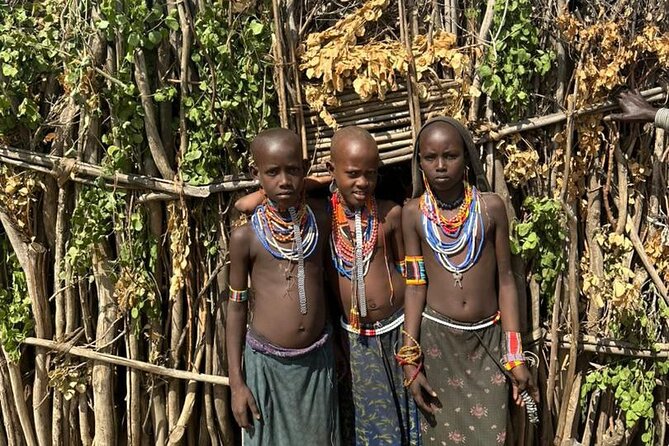
The Mursi are known for lip plates, scarification, and body painting. These are not costume details added for visitors. They are part of a cultural identity that deserves careful explanation and respectful photography. Your guide’s role is important here, especially in helping you understand when to take pictures and how to approach people properly.
Mago National Park adds a second layer to the day. You are not only visiting a community but also crossing a protected natural area. The route is likely to feel more remote than the Arba Minch portion, and road conditions can affect the schedule. The trip description specifically notes that weather awareness helped shape good days, so this is a place where a flexible plan matters.
Park admission is not marked as included in the day-by-day listing, although the general service information says park and village entrance fees are included. Ask for a clear breakdown before departure. That small check can prevent confusion once you are on the road.
For photographers, this is likely to be one of the major highlights. For anyone interested in people and culture, it can also be the most sensitive stop. Bring patience. The best experience comes from listening first and treating the village as a home, not as a stage.
Day 3: Life beside Lake Turkana in the Dassanach area
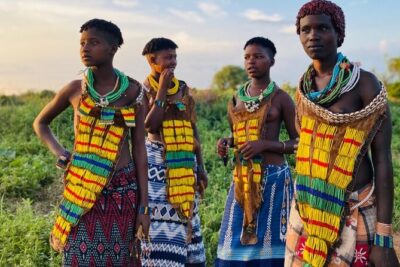
The next cultural visit takes you to a Dassanach village. The Dassanach live north of Kenya’s Lake Turkana, near the border region, and have connections with the neighboring Turkana people.
Their way of life reflects a difficult environment. The Dassanach are traditionally pastoralists who keep cattle, using them for meat, milk, and clothing. Because the area is harsh, many also grow crops and fish. That combination tells you more than a simple label such as cattle herders. It shows how people adapt when one source of food cannot carry a community through the year.
The visit is listed at about five hours. That is long enough for a more relaxed cultural encounter, though the drive and heat may make the day tiring. Keep water with you and dress for sun and dust. The supplied information does not specify the exact village facilities, so plan for basic conditions.
This stop is valuable because it differs from the Mursi visit. You are seeing another community in southern Ethiopia, shaped by a different setting and economy. A good guide can help you notice those differences rather than treating every village visit as the same experience.
More Private Tours in Ethiopia:
- Full-Day Private City Tour of Addis Ababa
★ 5.0 · 147 reviews - Addis Ababa Authentic Private City Tour
★ 5.0 · 134 reviews - Full Day Private City Tour Of Addis Ababa
★ 5.0 · 36 reviews - 2 Days Private Tour in Addis Ababa Ethiopia
★ 5.0 · 36 reviews
Day 4: Konso stone terraces, Banna traditions, and Arba Minch
Day 4 begins on the way to Arba Minch with visits to Konso and the Banna community. Konso is one of Ethiopia’s UNESCO World Heritage sites, recognized in 2011. The cultural area is known for fortified stone walls, narrow walkways, terraces, and ceremonial gathering spaces.
This is one of the tour’s strongest stops for understanding how people work with difficult ground. Konso farmers built stone terraces on sloping land to reduce soil erosion and protect agricultural soil. The walls are practical, but they also shape the look and feel of the villages.
You explore on foot, which is the right way to see the place. The walk includes moras, or communal gathering places, and wakas, wooden figures placed on the graves of heroes. You may also see paletas, upright dry wood markers used as memorials for generations.
The Konso visit is not just about old structures. It is about farming, community organization, memory, and the way settlement design responds to terrain. I would allow time for your guide to explain the meaning of the sites instead of rushing through for photographs.
The day is listed at about five hours for Konso and another five hours for Arba Minch, so check how the timing is divided. You may spend much of the day on the move. Overnight accommodation is listed at Arba Minch Ezana Hotel.
Day 5: Lake Chamo wildlife and the high village of Dorze
Day 5 combines two very different experiences. In the morning, you visit Lake Chamo to look for large crocodiles, hippopotamuses, and aquatic birds. The wording describes the biggest crocodile, but it does not provide a separate boat duration or wildlife guarantee, so keep expectations realistic. Animals are wild, and sightings can vary.
Lake Chamo gives the tour a welcome change of pace after several cultural visits. It is a chance to focus on water, birds, and wildlife before heading into the mountains. The trip description does not specify every part of the lake arrangement, so confirm whether any boat fee is included in the overall entrance-fee statement.
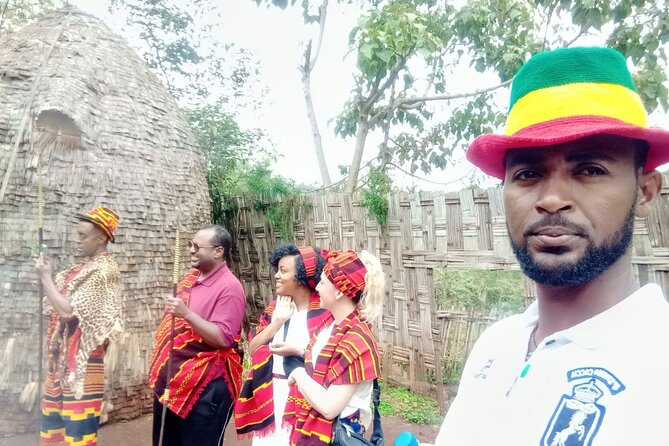
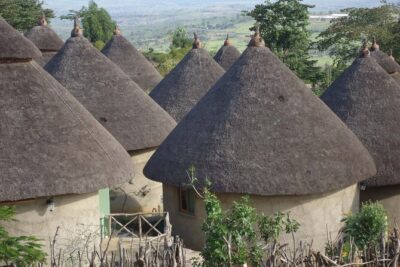
After Lake Chamo, you travel to Dorze village, high in the Gughe Mountains. The Dorze are known for a distinctive way of life and unusual architecture. The visit includes traditional music and dance, giving you a chance to see culture expressed through performance as well as homes and daily work.
The high setting also adds variety to the route. You leave the hotter lowland environment and reach a mountain community with its own building style and traditions. Dorze is a strong choice for anyone interested in architecture, music, textiles, farming, and village life.
You spend the night in Arba Minch. The description calls this a full-day experience, so plan on a long day with two major stops. Comfortable shoes will help, particularly during the village walk.
Day 6: A final Arba Minch day and what is included

The final day is listed simply as Arba Minch, with the general service package covering room, food, soft drinks, car, fuel, and driver. Entrance fees, village fees, park fees, and taxes are also stated as included.
Because the Day 6 description is brief, ask what the final day includes before booking. It may be a departure or flexible Arba Minch service, but the provided details do not name a specific attraction or activity. This is another reason to request a written schedule for the last day.
Arba Minch works well as the trip’s base and endpoint. It connects the southern cultural route with Lake Chamo, Dorze, and the road toward Konso. The city also gives you a more practical place to rest after the remote sections of the tour.
What the $1,300 price means in practice
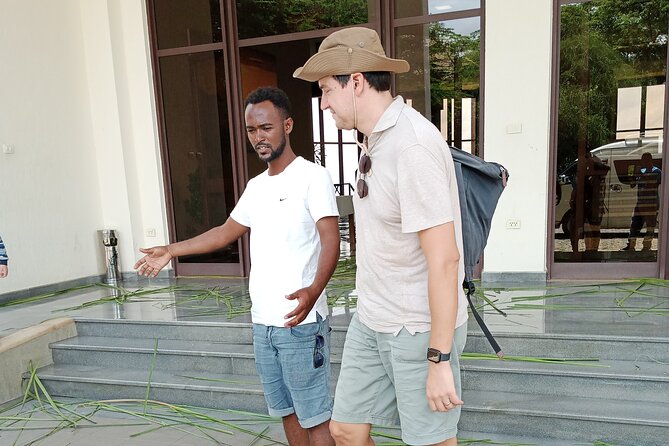
At $1,300 per person, the price is not cheap, but the inclusions make it easier to judge. You are paying for six days of private travel, a driver, fuel, rooms, food, soft drinks, taxes, and stated entrance fees. With a maximum of three people per car, the cost buys privacy rather than a seat on a large group bus.
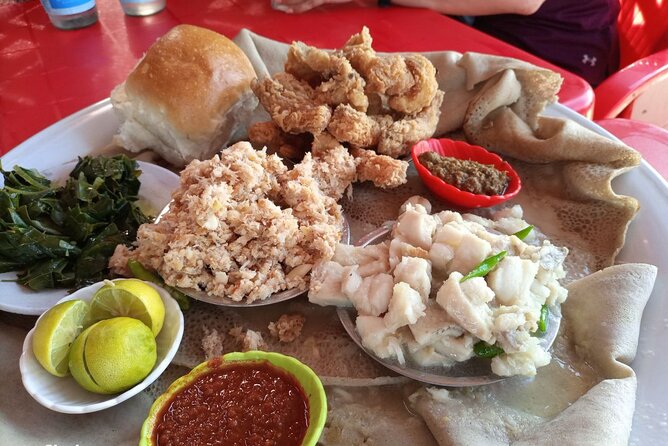
The value improves if you want a guide to handle a complicated route. Southern Ethiopia involves long distances, different village arrangements, park access, and changing conditions. Fasil’s role appears to go beyond driving and pointing out sights. He is praised for answering questions, helping with restaurant choices, planning visits, and watching the weather.
The price is less attractive if you want luxury hotels, slow mornings, or a tightly fixed schedule. The accommodation names suggest practical lodging, but the information does not promise upscale rooms. Also, the price statement says negotiable, so ask exactly what is included in the final figure, especially the flight to Jinka and any Lake Chamo boat charge.
Who will enjoy this tour most
I would recommend this route to you if you want a broad look at southern Ethiopia and prefer a private guide to independent logistics. It suits photographers, students of culture, people interested in farming and architecture, and visitors who want more than a quick city tour.
It is also a good match if you value direct help. Fasil is praised for making arrangements easy, answering questions, recommending restaurants, and adjusting plans around weather. Those small services matter on a route where conditions can change.
I would hesitate to recommend it to you if you need short driving days, high-end hotels, or guaranteed wildlife sightings. The schedule is full, the route is long, and some places have basic facilities. You also need to be comfortable visiting communities where photography and personal interaction require care.
The tour is private, and most participants can take part. Service animals are allowed, and the experience is near public transportation, though the trip itself relies on a private car and includes remote areas. Confirmation is provided when you book.
Cancellation is free if you cancel at least 24 hours before the local start time. Inside that window, the amount paid is not refunded, and changes are not accepted.
Should you book this six-day Ethiopia tour?
Book it if you want small-group access to southern Ethiopia’s communities, wildlife, and mountain villages without managing every road, fee, and overnight stop yourself. The mix of Mursi, Dassanach, Konso, Banna, Ari, and Dorze experiences is the main reason to choose it.
Before booking, get three points confirmed in writing: the exact Arba Minch and Jinka meeting plan, whether the flight is included, and the details of Day 6. If those arrangements are clear, the tour offers a strong cultural route with real variety and helpful local guidance.
FAQ
Where does the tour start?
The meeting point is listed as Arba Minch, Ethiopia, with a start time of 7:00 am.
Does the tour visit Jinka?
Yes. Day 1 includes a flight to Jinka and an afternoon visit to an Ari village near Jinka.
How many people can join the private tour?
The maximum is three people in one car, and only your group participates.
Which communities are included?
The route includes visits connected with the Ari, Mursi, Dassanach, Konso, Banna, and Dorze communities.
Does the tour visit Mago National Park?
Yes. Day 2 travels through Mago National Park to visit the Mursi community.
What can I see at Lake Chamo?
The tour description includes large crocodiles, hippopotamuses, and aquatic birds at Lake Chamo.
Is Konso a UNESCO site?
Yes. The Konso cultural area was registered as one of Ethiopia’s UNESCO World Heritage sites in 2011.
Is transport included?
Yes. The service includes a car with fuel and a driver.
Are food and accommodation included?
The service information lists rooms, food, and soft drinks as included.
Can I cancel for a full refund?
Yes, if you cancel at least 24 hours before the experience start time. Cancellations within 24 hours are not refunded.
Just added around Ethiopia
- Two Days Trip in Axum and its Surroundings★ 5.0 · 7 reviews
- Day Trip in Axum★ 5.0 · 6 reviews
- 3 Days, Arba Minch, Dorze village and Konso Village★ 5.0 · 5 reviews
- Locally crafted beer and wine tasting and nightlife in Addis tour★ 5.0 · 6 reviews
- 4 Days tour in omo valley.★ 4.5 · 3 reviews
- Addis Ababa City Tours Full-Day Tours★ 5.0 · 5 reviews
- Two days Lake Wenchi and Menagesha Forest★ 5.0 · 3 reviews
- Stunning Views Wonchi Crater Lake a Private Day Trip★ 5.0 · 3 reviews
6-Day Experiences, compared.
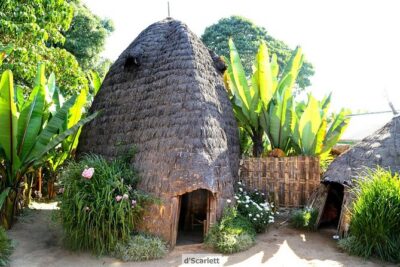
6 Days Omo Valley Tribes Tours From Addis Ababa
Read our review →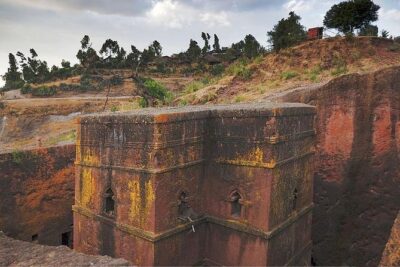
6 Days tour Package (Simien Mountains, Lalibela, and Danakil Depression)
Read our review →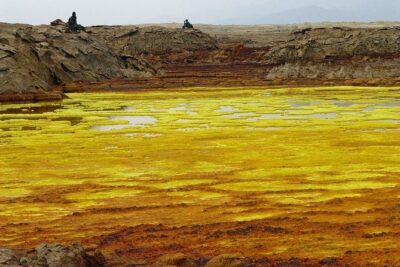
6 Days Omo valley Tribal Tour (Starts Arba Minch End Jinka)
Read our review →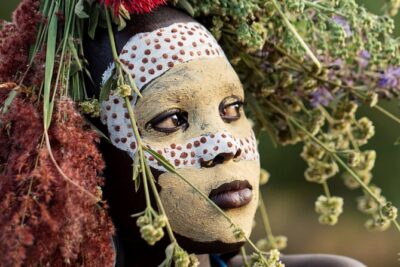
Browse the lists this tour appears in