
Reviewed · PRIVATE
Private 3 Days Adventure Tour Through Arba Minch
Arba Minch gives you a rare two-part Ethiopia experience: wildlife and water one day, then living traditions and highland farming villages the next. You can watch Nile crocodiles from a boat on Chamo Lake, walk among springs in Nechisar National Park, and later see Dorze houses shaped like elephants and Konso villages built around stone walls.
I especially like the private format, which lets your guide adjust the pace for children, older family members, photographers, or anyone who wants more time at a village. I also like the range packed into three days, from birds and hippos to weaving, food, terraces, and community life. The main drawback is the long driving and sightseeing days, and the $856 per-person price makes most sense for families or small private groups rather than solo budget visitors.
Key points at a glance
- Chamo Lake by boat: Look for giant Nile crocodiles, hippos, and aquatic birds from the water.
- Forty Springs in Nechisar: Walk through riverine forest and visit a natural swimming pool.
- Dorze village life: See bamboo houses, false-banana preparation, weaving, music, and dancing.
- Konso’s UNESCO setting: Visit terraced farms, walled villages, the Mora community house, and cultural markers.
- A guide-led private trip: Abselam is repeatedly named for his English, local knowledge, photography, and care with families.
- Built for variety: You receive transport, three lunches, coffee, and tea, but accommodation is not listed.
Why Arba Minch works so well for a three-day tour
Arba Minch is a good base for seeing several sides of southern Ethiopia without trying to cover the whole region in one exhausting rush. The first day is about water and wildlife. The second shifts to Dorze culture in the highlands. The third reaches Konso, where farming, stonework, settlement design, and community life are central to the visit.
That mix is the real strength. You are not spending three days looking at similar scenery from a vehicle window. You move between lake, forest, village, mountain road, farmland, and historic settlement.
The tour is private, so only your group participates. That matters here. A family with children may need shorter walks and more breaks. A keen photographer may want to wait for a better view of a crocodile or monkey. A large family group can also stay together rather than split between several vehicles.
The published start time is 7:00 a.m. Pickup is offered, but the exact pickup point should be confirmed when you book. The vehicle is air-conditioned, an important comfort during long drives and warm lowland visits.
More Arba Minch and Nechisar trips:
- 3 days around Arbaminch and Konso Adventure Tours Life Time
★ 5.0 · 24 reviews - 3 days, Arba Minch and Dorze
★ 5.0 · 7 reviews - 6 Days Omo valley Tribal Tour (Starts Arba Minch End Jinka)
★ 5.0 · 7 reviews
Day one: Chamo Lake crocodiles, birds, and Forty Springs
The first morning begins with Chamo Lake, described as the third-largest lake in Ethiopia. The visit includes a boat ride, which is the right way to see the lake’s wildlife. From the water, you may see giant Nile crocodiles, hippos, and aquatic birds.
This is not a zoo-style wildlife stop. The appeal comes from being on the lake and watching animals in their own setting. Crocodiles may be resting along the shore or partly hidden near the water. Birds can be easier to spot when the boat slows down, so keep your camera ready and listen to your guide’s directions.
A boat ride also gives you a different view of the Rift Valley environment. You see open water, shorelines, and the surrounding country from a low, quiet position. For many people, this will be the most immediately exciting part of the tour.
Still, expectations matter. Wildlife sightings are never guaranteed, and the experience depends on conditions on the day. You should also follow the boat crew and guide closely. Crocodiles and hippos are wild animals, not photo props.
The afternoon is set aside for Forty Springs, traditionally linked with the name Arba Minch. The tour continues into Nechisar National Park, where the walk follows riverine ground and groundwater forest. The setting changes quickly from open lake to shaded greenery and flowing water.
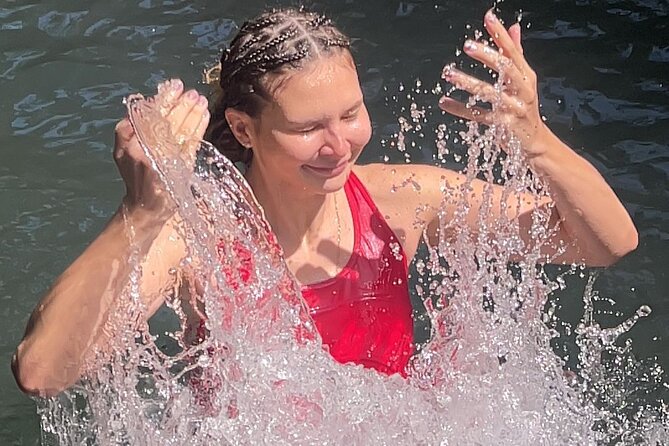
The walk includes a natural swimming pool. If conditions and timing allow, you may swim, so bring suitable clothing and a towel if you want that option. The information provided does not give a precise walking distance or swimming schedule, so ask your guide how the day is shaping up before changing clothes.
Nechisar also offers the chance to see colobus monkeys, olive baboons, and warthogs. The guide’s role is important here. A good guide can explain the plants, animals, and local story of the park while also helping you move safely around wildlife.
This is a full day. The two day-one stops are each described as lasting up to 12 hours, which signals a long outing rather than two quick attractions. The schedule may be adjusted by the guide, but you should be ready for an early start, substantial time in the vehicle, walking, and a late return.
Day two: Dorze houses, food, and weaving
Day two heads toward Dorze village. The trip is less about checking off a monument and more about seeing how a community expresses its identity through homes, food, craft, music, and dance.
The traditional Dorze house is one of the memorable details. It is made from bamboo and is described as having an elephant-like shape. You can look inside and outside, which makes the visit more useful than simply stopping for a photograph. The structure gives you a direct way to understand local building methods and household space.
Food is another important part of the visit. You see how false bananas are prepared and how this plant becomes a cultural staple. This is one of the best details in the itinerary because it connects farming to everyday life. You are not only hearing about Dorze culture. You are seeing how local plants become food.
Dorze is also known for weaving. Depending on the day and the people you meet, you may see the work and learn how textile production fits into village life. The tour also includes traditional music and dancing, with time to enjoy the gathering rather than rush through it.
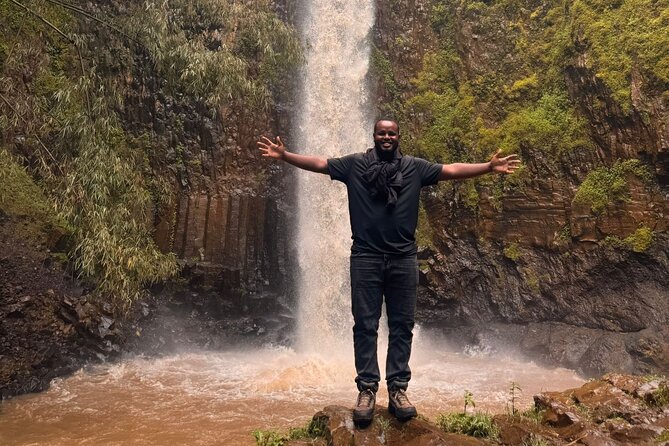
A waterfall may be included after the village visit. Since the details do not specify its name, distance, or conditions, treat it as an additional possibility rather than the main reason to book the day.
The strongest part of this day is the human contact, but you should approach it with care. Ask before taking close-up photographs, listen to your guide about local etiquette, and remember that this is a lived-in community, not a stage set. The private format can help your guide explain what is happening and avoid pushing your group through too quickly.
The drive back to Arba Minch follows the visit. As with day one, the schedule is broad rather than minute by minute. You should expect a full day, not a half-day outing.
Day three: Konso terraces and walled villages
The third morning starts early for the drive to Konso. On the way, you see the Gamo countryside and the changing highland scenery. The journey is part of the experience, though it also adds to the physical demand of the tour.
Konso is known for its organized traditional settlements and farming systems. The visit includes a UNESCO-registered ancient village area, a distinction that reflects the cultural importance of the site rather than a single building or museum display.
The terraced farms are a major reason to make the trip. Stone terraces shape the hillsides and support agriculture in difficult terrain. They also show how farming, soil protection, and community work can be linked over generations.
You also visit a walled village and a Mora, the community house. The Mora is tied to social life and local organization. The itinerary also refers to a generation pole and a maturity stone, along with other cultural practices. Your guide can help explain how these features relate to age, community, and tradition.
Konso is a better fit for people who enjoy context than for anyone looking only for a quick scenic stop. The meaning of the terraces and village structures is not always obvious at first glance. This is where a good English-speaking guide earns the cost of a private tour.
The return drive to Arba Minch comes afterward. An early start gives you more time at the destination, but it also means another long day. If you have a flight, train connection, or fixed evening plan, leave plenty of room after the tour. The supplied information does not promise a specific return time.
More three-day trips from Ethiopia:
- 3 Days Danakil Depression Tour
★ 4.5 · 135 reviews - 3 Days Danakil Depression Tours Via Semera
★ 5.0 · 47 reviews - 3 Day Danakil Depression Ertale and Dallol Tours
★ 5.0 · 44 reviews - 3 Days Dankile Depression group Tours
★ 5.0 · 40 reviews
The guide can shape the whole experience
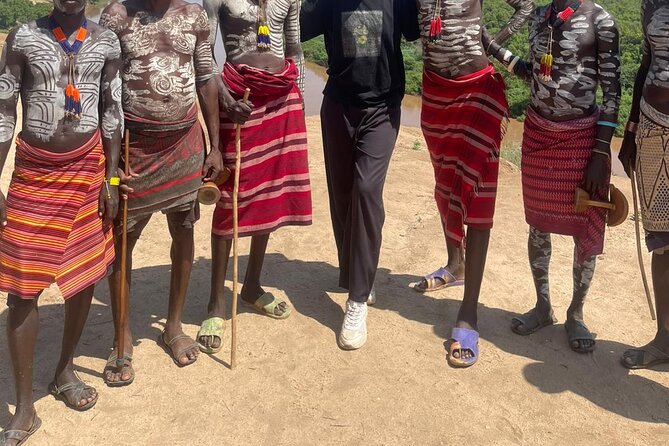
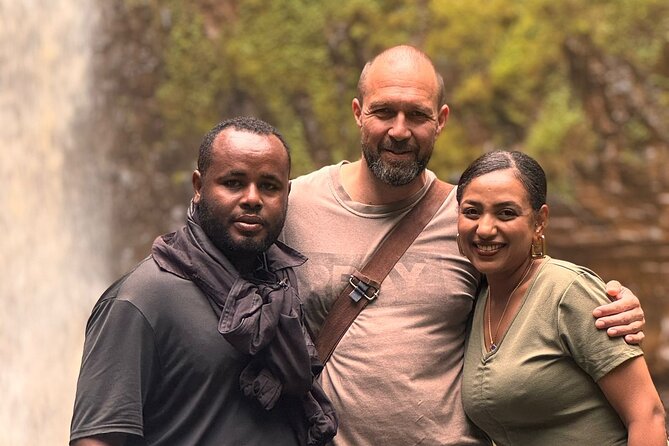
The guide named most often in the supplied information is Abselam. He is described as speaking English and Amharic, explaining geography, culture, nature, and history clearly, helping with photography, and adapting visits for families.
That combination is useful in southern Ethiopia. You need more than directions between stops. At Chamo Lake, the guide can help you understand what you are seeing and keep the group at a safe distance from wildlife. At Dorze and Konso, the guide can explain the meaning behind houses, food, weaving, terraces, and community buildings.
The feedback also points to experience with different kinds of groups, including a large family spread across three generations. That suggests the tour can work for mixed ages, though the long days still require reasonable stamina.
Photography is another recurring strength. If you want help with family pictures or better viewpoints, say so early. Do not assume the guide will know your priorities unless you explain them.
The provider is listed as Gech, while the guide associated with many of the comments is Abselam. Confirm the assigned guide at booking if having Abselam specifically is important to you.
What the $856 price includes, and what it does not
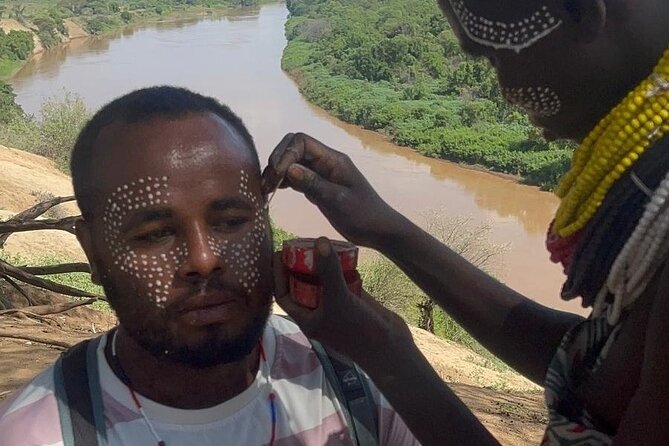
At $856 per person, this is not a low-cost sightseeing bus. It is a private, three-day experience with a licensed English-speaking guide, an air-conditioned vehicle, pickup, three lunches, coffee, and tea.
The value improves when you are traveling as a family or private group and want flexibility. You are paying for transport across several destinations, local interpretation, wildlife visits, cultural stops, and the convenience of keeping your own schedule within the tour’s limits.
The price is harder to justify for a solo visitor who wants only a lake boat ride or a single village visit. A shorter local tour may suit that need better. This package earns its price through range and privacy, not luxury extras.
Alcoholic drinks are not included. The additional information says that people over 21 are served alcoholic drinks and those under 21 receive non-alcoholic drinks, but the inclusion list specifically excludes alcoholic beverages. Clarify this point before booking if it matters to your group.
Accommodation is not listed among the inclusions. You should confirm where you will stay and whether lodging is arranged separately. The same applies to any park, boat, or local fees beyond the statement that admission tickets are included for the listed stops.
Cancellation is free up to 24 hours before the 7:00 a.m. start time for a full refund. Cancellations or changes made less than 24 hours before the start are not accepted for a refund.
Who should book this private Arba Minch tour
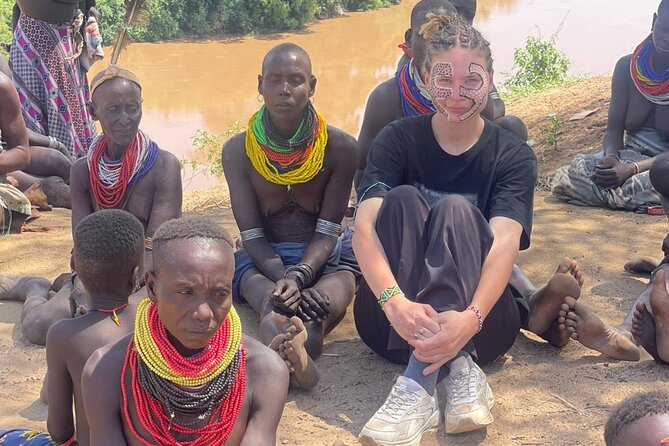
I would choose this trip if you want nature and culture in equal measure. It suits families, couples, photographers, and small groups who prefer a private vehicle and a guide who can explain what they are seeing.
It is also a sensible choice if you want Dorze and Konso in the same short trip. Arranging those visits independently can be awkward, especially when you also want Chamo Lake and Nechisar National Park.
You should think twice if you dislike long road days, early starts, or changing activity levels. The tour includes boat travel, walking, possible swimming, village visits, and long drives. Most people can participate, but the itinerary is active and the timing is full.
Bring practical clothing for walking and village visits, sun protection, a camera, and swimming items if you hope to use the natural pool. Ask about the exact pickup point, accommodation, return times, and any extra fees before paying.
Should you book it?
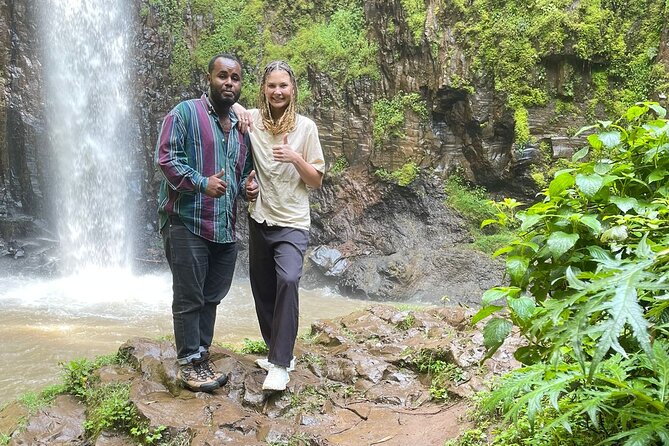
Book this tour if your ideal southern Ethiopia trip includes crocodiles and hippos in the morning, forest and springs in the afternoon, then traditional homes, weaving, terraces, and community life over the next two days.
The biggest strengths are the private setup, the variety of stops, and the guide’s reported skill with English explanations, family groups, safety, and photographs. The main cautions are the high per-person price, long days, and the need to clarify accommodation and final logistics.
For a small group that wants a carefully guided introduction to Arba Minch, Dorze, and Konso, this is a strong choice. For a budget-minded solo visitor or someone with little tolerance for driving, a shorter tour would likely be better.
FAQ
Where does the tour take place?
The tour is based in Arba Minch, Ethiopia, with visits to Chamo Lake, Nechisar National Park, Dorze village, and Konso.
How long does the tour last?
The experience lasts approximately three days.
What time does the tour start?
The stated start time is 7:00 a.m.
Is pickup available?
Yes, pickup is offered. Confirm the exact pickup point when booking.
Is this a private tour?
Yes. Only your group participates in the activity.
What is included in the price?
The inclusions are a licensed English-speaking guide, an air-conditioned vehicle, three lunches, coffee, tea, and admission tickets for the listed stops.
Are alcoholic drinks included?
No. Alcoholic beverages are listed as excluded. The additional information says drinks differ by age, so confirm the exact arrangement before booking.
Will the tour visit Chamo Lake by boat?
Yes. The first day includes a boat visit on Chamo Lake, with possible sightings of Nile crocodiles, hippos, and aquatic birds.
What will I see in Dorze village?
You can see traditional bamboo houses, including an elephant-shaped design, learn about false-banana preparation, see weaving, and experience traditional music and dancing.
What happens at Konso?
The visit includes a traditional Konso village area, terraced farms, a walled settlement, a Mora community house, a generation pole, a maturity stone, and other cultural practices.
Just added around Ethiopia
- Debre Libanos Monastery & Scenic Portuguese Bridge Tour★ 5.0 · 4 reviews
- Best of Addis Privet Guided city Tour★ 5.0 · 6 reviews
- Addis Ababa: Entoto hill and Mercato Market layover tour★ 5.0 · 5 reviews
- Addis Night Life yod Abissinia★ 3.8 · 4 reviews
- Day trip Adadi Mariam, Melka Kunture and Tiya stele★ 3.1 · 5 reviews
- A perfect day trip to Lake wenchi from Addis Ababa★ 5.0 · 3 reviews
- Addis Ababa city tour from Bole airport and All Hotels★ 4.0 · 3 reviews
- Addis Ababa Essentials: Flexible Full-Day City Sightseeing★ 5.0 · 3 reviews
Private, compared.
Private Half Day Guided tour in Addis Ababa New Flower
Read our review →
5 Day Private tour to the Omo Valley Tribes and Adventure Tour
Read our review →Browse the lists this tour appears in