
Reviewed · TRIBAL TOURS
From Arba Minch: 4-Day Omo Valley Tribal Guided Tour
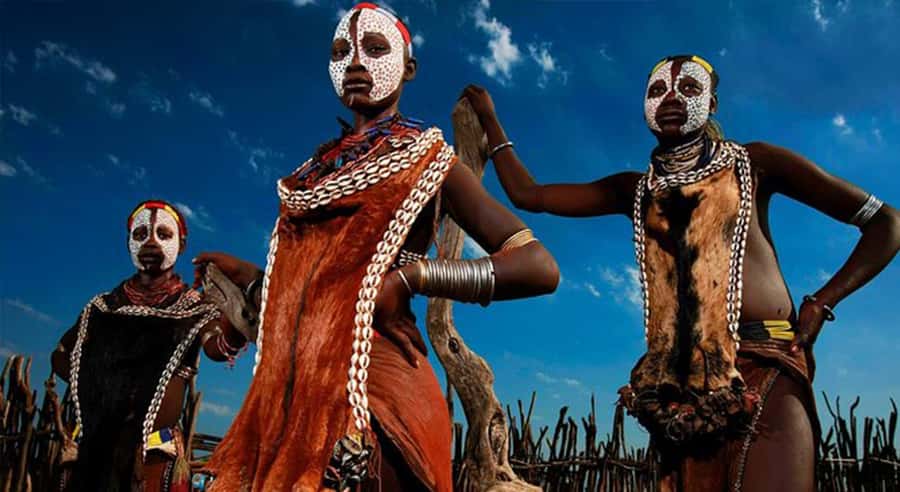
The most memorable part of this four-day journey is the chance to meet communities whose customs are closely tied to the Omo Valley. You’ll visit Mursi, Karo, Hamer, and Desanech communities, with local guides helping explain traditions rather than leaving you to stare and guess. I especially like the Mursi village visit and the Hamer weekly market, where culture is part of daily life rather than a staged museum display.
I also like that this is a private trip with an English-speaking guide, airport pickup options, breakfast, entrance fees, and ground transport included. The main catch is the price: at $599 per person, it can offer good value if the vehicle, hotels, and guiding are strong, but meals, drinks, and flights are extra, and the short itinerary description leaves some day-to-day details unclear.
Key points to know before booking
- Mursi lip plates: Visit a Mursi village and learn about the women’s distinctive lip plates in their own cultural setting.
- Hamer market day: Time your trip well and you may see the weekly market, traditional dances, and everyday trade.
- Four tribal cultures: The route is designed to include the Mursi, Karo, Hamer, and Desanech peoples.
- Private travel: You travel with your own group instead of joining a large coach party.
- Flexible airport options: Pickup and drop-off can be arranged at Arba Minch Airport or Addis Ababa Bole International Airport.
- Seasonal ceremonies: Bull jumping may be available when the timing is right, but it should be confirmed before you book.
Why this Omo Valley trip is different
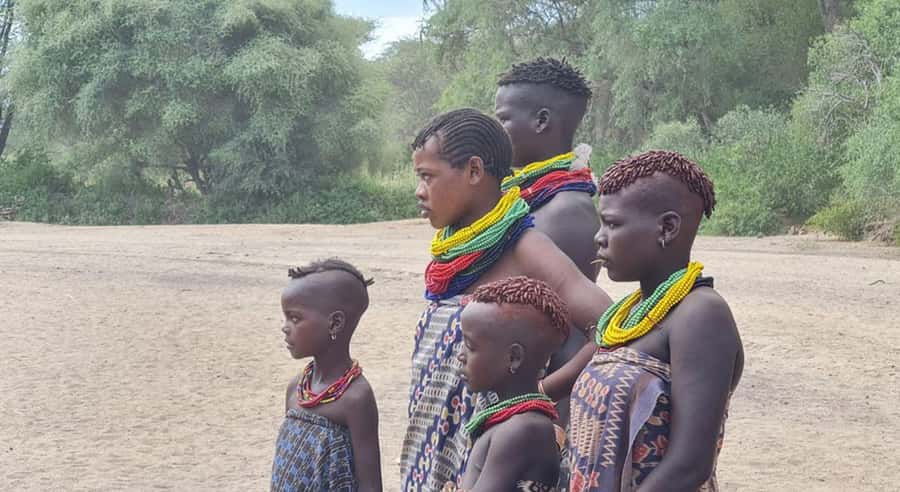
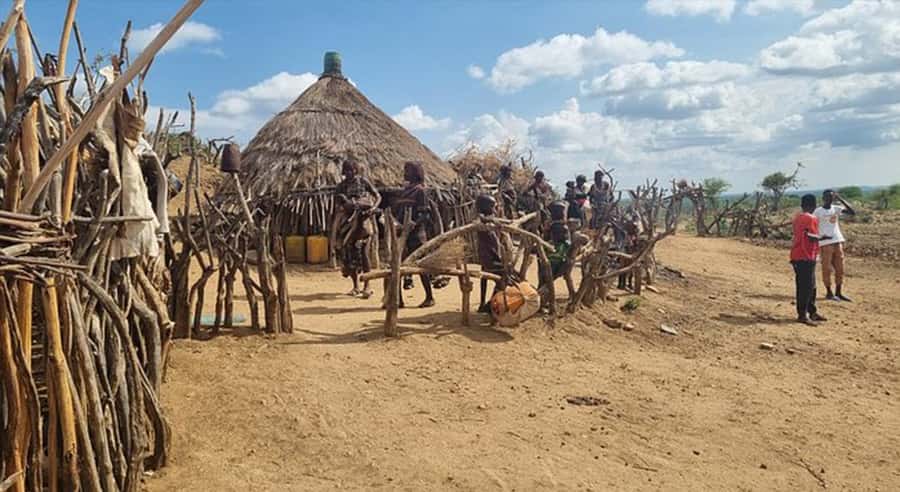
The Omo Valley is not a single attraction you check off in an hour. It is a broad cultural region where communities have their own languages, clothing, ceremonies, farming patterns, and social customs. That makes a local guide especially important. Without one, you may see an unusual object or ritual and miss the meaning behind it.
This tour focuses on four groups: the Mursi, Karo, Hamer, and Desanech. That range gives you a useful comparison. You are not seeing one community presented as a symbol of the whole region. Instead, you get several glimpses of how different groups live and celebrate.
I would approach the experience with respect and patience. Photography should never be treated as the main event. Ask your guide how to greet people, when photos are appropriate, and how local customs work. The best moments will likely come from a conversation, a translated explanation, or a market scene that was not arranged for a camera.
The tour is described as a private group experience, which matters here. You can ask questions, slow down when something needs explanation, and discuss cultural issues with your guide without a busload of strangers waiting in the vehicle.
More Omo Valley tribal trips:
- 6 Days Omo Valley Tribes Tours From Addis Ababa
★ 5.0 · 33 reviews - 5 Day Private tour to the Omo Valley Tribes and Adventure Tour
★ 5.0 · 11 reviews - Omo Valley Tribes 6 Days Tours
★ 4.9 · 10 reviews
Day one: Leaving Arba Minch for the Omo Valley
You can begin at Arba Minch Airport or Addis Ababa Bole International Airport. For most people, Arba Minch is the more natural starting point for a southern Ethiopia route, while Addis Ababa gives you a wider choice of international connections. Your air ticket is not included, so you need to arrange the flight separately.
The exact first-day schedule is not laid out in detail, so confirm the departure hour, driving plan, hotel, and first overnight stop before paying. Four days can sound generous, but the Omo Valley covers a wide area and road time may shape the trip as much as sightseeing does.
The route includes scenic views on the way, along with sunrise and sunset opportunities. Those stops are valuable because the region is not just about village visits. The open views, changing light, and roads through the countryside help you understand the setting in which these communities live.
I like the idea of using the journey itself as part of the experience. Still, you should ask how much time is spent driving and how much is spent at each community. The published schedule is brief, and a detailed daily plan will help you set realistic expectations.
Mursi village and the meaning behind lip plates
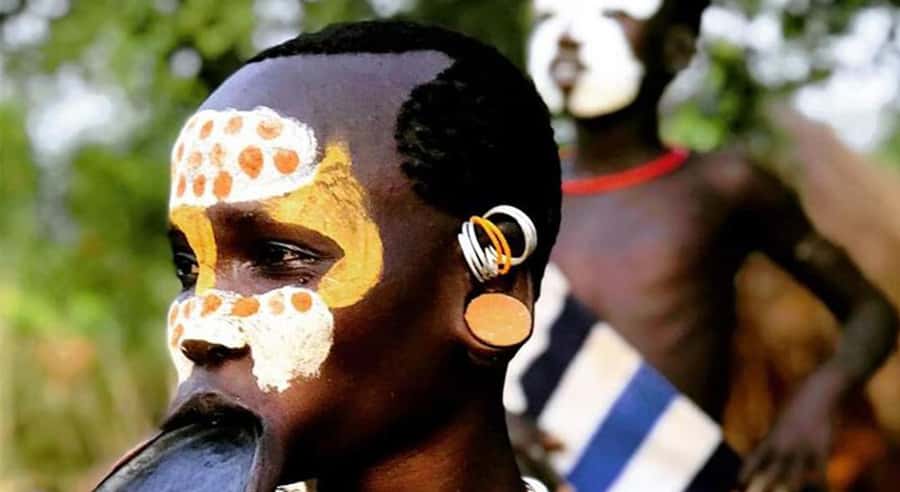
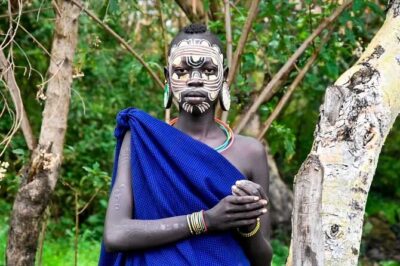
The Mursi village visit is one of the tour’s clearest highlights. You’ll see the lip plates worn by some Mursi women, a custom that has drawn outside attention for years. A good guide can help you move beyond the visual shock and explain that the practice has its own cultural meaning and should not be reduced to a photo opportunity.
This is where guide quality matters most. You need clear interpretation, polite introductions, and practical advice about photography. The tour promises local insight, and that is more useful than simply arriving with a camera and a list of things to see.
You may find the visit intense or confronting. That is not a flaw, but it does mean you should come prepared to listen. The strongest cultural encounter is one where you remember the people you met, not just the most unusual image from the day.
The Mursi stop also gives you a chance to ask about daily routines, family life, and local traditions. The supplied information does not promise a set length for the village visit, so ask how much time is planned there and how the guide handles contact with residents.
Karo country and the Omo Valley scenery
The Karo are another major part of the route. The information provided does not specify the exact Karo settlement or a fixed activity there, so confirm the village and planned visit before departure. You can expect the guide to provide context about Karo customs and daily life, but the precise format may depend on local conditions.
This part of the trip is also a chance to enjoy the Omo Valley’s scenery. The route includes scenic views, and the sunrise and sunset stops should appeal to anyone who wants more than a sequence of cultural visits. Early and late light can make the countryside feel very different from the middle of the day.
I would pack with both long drives and village visits in mind. Comfortable clothing, sun protection, and water are sensible choices, though meals and drinks are not included in the tour price. Since the operator does not list a full meal plan, ask where you will eat and how much cash you should carry for food and drinks.
The value of this stop depends on how the day is paced. A short photo stop will feel very different from a longer guided visit with time for questions. That is another reason to request a detailed schedule.
More Arba Minch and Nechisar trips:
- 6 Days Omo valley Tribal Tour (Starts Arba Minch End Jinka)
★ 5.0 · 7 reviews - 3 days around Arbaminch and Konso Adventure Tours Life Time
★ 5.0 · 24 reviews - Private 3 Days Adventure Tour Through Arba Minch
★ 5.0 · 16 reviews - 3 days, Arba Minch and Dorze
★ 5.0 · 7 reviews
Hamer market day and traditional dances
The Hamer weekly market is likely to be the liveliest stop on the route. Markets are useful because they show more than formal customs. You may see local buying and selling, social meetings, clothing, food, and the ordinary business of the week. The tour also highlights traditional Hamer dances.
Market timing is critical. A weekly market only works as a planned stop if your four-day route lines up with the correct day. Ask the operator for the market date during your visit rather than assuming it will be available every day.
The dances may be a memorable part of the trip, but I would still treat them with care. Watch first, follow local instructions, and let your guide explain what you are seeing. The point is not to turn a ceremony into a performance for outsiders.
The Hamer visit may also connect with the possibility of a seasonal bull-jumping ceremony. This is not guaranteed, and the tour information describes it as dependent on the season. Confirm whether one is scheduled during your dates, and do not book the trip solely on the hope of seeing it.
Desanech culture and the southern route
The Desanech are included among the communities you are set to discover, adding another cultural perspective to the journey. As with the Karo visit, the available schedule does not give a specific village, duration, or activity. Ask for those details so you know what kind of encounter to expect.
The Desanech stop matters because it broadens the trip beyond the most famous images associated with the Omo Valley. A four-tribe route can help you see that the region is not culturally uniform. Your guide’s explanations will shape how useful this comparison becomes.
I would ask whether the Desanech visit is a village walk, a guided introduction, or a shorter stop along the road. The difference affects your expectations, especially if you are interested in conversation and cultural context rather than simply collecting place names.
What the $599 price includes
At $599 per person, the tour sits in a range where the details of transport and accommodation matter. The price includes all entrance fees, ground transfers, an English-speaking guide, accommodation with breakfast, and entry to Dorze Village.
Those inclusions can add up. Entrance fees and private road transport are especially useful in a remote region, where arranging each piece separately may be difficult. Breakfast also removes one daily expense, though lunch, dinner, snacks, and drinks remain your responsibility.
Dorze Village is specifically included in the entry coverage, even though the main cultural highlights focus on the Mursi, Karo, Hamer, and Desanech. Ask how Dorze fits into the four-day plan. It may be part of the Arba Minch area, but the available information does not give a full sequence of stops.
The price excludes air tickets, alcoholic drinks, meals, and other drinks. Build those costs into your budget before deciding. You should also ask what type of accommodation is planned, whether rooms are private, and how many hours of driving are expected each day. Those answers will tell you more about value than the headline price alone.
Guide support and personal service
The strongest theme in the available feedback is careful communication and reliable support from Lucy Ethiopia Tours. Mulu Muse, the sales manager, is specifically praised for answering questions quickly and thoroughly before the trip. That kind of preparation can make a big difference in Ethiopia, where route details and transport plans deserve attention.
Airport reception is also part of the service. A local guide meets you on arrival, which can make the first hour easier, especially if you are connecting from Addis Ababa or arriving after a long flight.
The English-speaking guide is expected to explain local history, customs, and daily life. A guide named Kiros received strong praise for cultural explanations and translation on an Ethiopia journey connected with the same operator, but the guide assigned to this specific Omo Valley departure is not named. Ask for the name in advance if that matters to you.
The private format gives you more control, but it does not remove the need to communicate clearly. Tell the operator if cultural explanation, photography, markets, or scenery is your priority. That can help shape the pace of the days.
Practical limits of a four-day schedule
Four days is enough for an introduction, but it is not a slow study of the Omo Valley. You are covering several communities and may spend substantial time on the road. If you want long village visits, repeated market stops, or a strong chance of catching a seasonal ceremony, ask if a longer private route is available.
The itinerary includes sunrise and sunset, scenic stops, guided visits, and cultural encounters, but it does not provide exact times for each day. I would request these details:
- The overnight towns and accommodation names
- Estimated driving hours each day
- The exact day of the Hamer market
- The planned time at each village
- The likelihood of a bull-jumping ceremony during your dates
- The meal arrangements and recommended cash
- The type of vehicle used for ground transfers
These are not minor questions. They determine comfort, photography time, and how much contact you have with each community.
Free cancellation up to 24 hours before the start gives you some flexibility, and you can reserve now while paying later. Still, flexibility at booking does not solve the practical issue of market dates or ceremony timing, so confirm those before you commit.
Who should book this tour?
I would recommend this tour to you if you want a private introduction to southern Ethiopia, prefer having transport and a guide arranged, and value cultural explanation over independent logistics. It suits people who want to see several communities in a short period and do not mind that the schedule may include long road sections.
It is also a sensible choice for first-time visitors who want airport support and a single point of contact. The operator’s quick communication, personal planning, and arrival assistance are useful advantages.
I would hesitate if you want a fully detailed published schedule, guaranteed ceremonies, included meals, or a relaxed pace. The tour is not a bargain once flights and food are added, and you should not assume that every highlight happens on every departure.
Should you book the four-day Omo Valley route?
Book it if you want a private, guided cultural route with Mursi, Karo, Hamer, and Desanech communities, plus market time and striking countryside. The included transport, breakfast, entrance fees, airport options, and English-speaking guide make the $599 price reasonable when the vehicle and accommodation meet your expectations.
Before booking, get the day-by-day plan in writing. Confirm the Hamer market date, Dorze Village timing, accommodation, meal stops, driving hours, and whether any seasonal bull jumping is possible. If those details suit you, this can be a focused and memorable introduction to one of Ethiopia’s most distinctive cultural regions.
FAQ
How long is the Omo Valley tour?
The tour lasts four days.
Where can pickup and drop-off take place?
Pickup and drop-off can be arranged at Arba Minch Airport or Addis Ababa Bole International Airport.
Which tribes are included in the tour?
The cultural route is designed to include the Mursi, Karo, Hamer, and Desanech tribes.
Is an English-speaking guide included?
Yes. The tour includes a live English-speaking guide, and the experience is arranged for a private group.
Are meals and flights included in the price?
No. Air tickets, meals, drinks, and alcoholic drinks are not included. Accommodation with breakfast is included.
Can I cancel the booking for a full refund?
Yes. You can cancel up to 24 hours in advance for a full refund. You can also reserve now and pay later.
More Four-Day Trips From Omo Valley
- 4-Day Tour: Tigray Churches & Danakil Depression Adventure.
★ 5.0 · 11 reviews - 4 days semien mountain national park trekking,
★ 5.0 · 11 reviews - 4 Days Tour to North Part of Ethiopia
★ 5.0 · 4 reviews
Just added around Omo Valley
- 6 Days Omo valley Tribal Tour (Starts Arba Minch End Jinka)★ 5.0 · 7 reviews
- 3 Days Omo Valley Tours From Jinka★ 5.0 · 7 reviews
- 5 Days Omo Valley Tribal Tours★ 5.0 · 7 reviews
- From Jinka: Omo Valley Tribe 3-Day Tour★ 5.0 · 9 reviews
- 5 days Omo valley★ 5.0 · 9 reviews
- 5 Day Private tour to the Omo Valley Tribes and Adventure Tour★ 5.0 · 11 reviews
- Omo Valley Tribes 6 Days Tours★ 4.9 · 10 reviews
- Private Omo Valley Tours From Addis Ababa★ 5.0 · 12 reviews
Tribal Tours, compared.
6 Days Omo Valley Tribes Tours From Addis Ababa
Read our review →
9 Days Tours To Danakil Depression, Simen MNP, Lalibela With Omo Valley Tribes
Read our review →
5 Day Private tour to the Omo Valley Tribes and Adventure Tour
Read our review →


6 Days Omo valley Tribal Tour (Starts Arba Minch End Jinka)
Read our review →Browse the lists this tour appears in