

Reviewed · HISTORICAL TOURS
Omo Valley 4days 3nights Cultural Tour
The Omo Valley is not a quick sightseeing stop. It is a far-southern Ethiopia journey where Ari pottery and banana-fiber clothing, Mursi lip plates, Hamer ceremonies, and Karo body painting offer a close look at communities with strong local traditions. I like the private format and the use of a latest-model air-conditioned Land Cruiser, especially on rough roads and long transfers.
I also like that the route reaches several distinct groups in only four days, with admission fees and three breakfasts covered. The catch is the price: $1,307.70 per person excludes domestic flights and photography fees, and the schedule is tight. Confirm the flight cost, camera rules, and the exact first-day stop before paying.
Key points to know before you go

- Four tribal areas in four days: The route includes Ari, Mursi, Hamer, and Karo communities, each with different customs and artistic traditions.
- Mago National Park is part of the route: The park provides the road corridor to the Mursi area, not a separate wildlife-focused safari program.
- A private trip gives you flexibility: Only your group participates, with a local guide, professional guide, and driver.
- Road conditions shape the experience: The journey to the Karo area includes an early start and rough roads, so this is not a relaxed resort holiday.
- The price needs careful checking: Park and destination entry fees are included, but domestic and international flights, plus photography fees, are not.
- Guide continuity matters: Names connected with the operator include Gashaw, Zemariam, Dr Turmi, and driver Addis. Ask who will accompany your group.
Why the Omo Valley feels so different
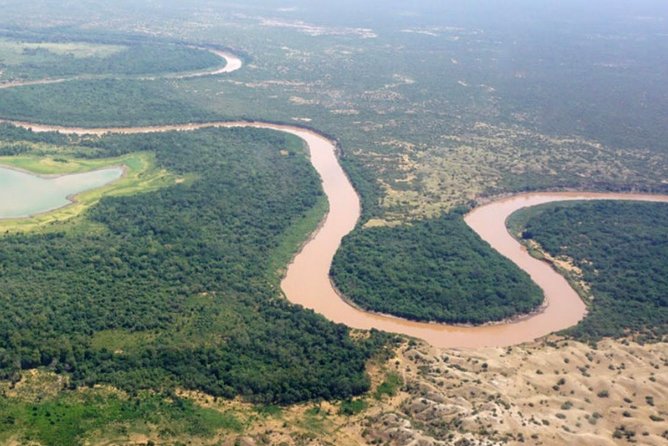
The Omo Valley has been separated from much of the outside world for a very long time. That distance helped local groups preserve distinct forms of dress, decoration, ceremony, and daily life. You are not simply looking at old objects in a museum. You are visiting places where people still use local materials and customs as part of ordinary life.
Body painting is one of the most striking examples. Hamer and Karo people use clay and plant-based pigments to mark faces, arms, chests, and legs with bold patterns. The designs can be playful and competitive, with artists trying to outdo one another. That detail matters because it shows expression as something living and social, not a costume arranged for a photo.
You should also approach the visit with care. The most memorable moments come from meeting people respectfully and learning what a custom means. Photography is not included, and camera fees may apply, so ask your guide before taking pictures rather than assuming that a friendly encounter gives automatic permission.
More historical sites near Addis Ababa:
- Day Trip From Addis Ababa See Historical Monastery,Stunning Nature,Animals,Birds
★ 5.0 · 303 reviews - Hidden Treasures of Addis Ababa – Food, Culture and History Tour
★ 5.0 · 57 reviews - DAY TRIP TO THE UNESCO HERITAGE SITE TIYA & Melka Kunture
★ 4.5 · 10 reviews
Day 1: Flying to Jinka and meeting the Ari
The first day starts at Bole Airport in Addis Ababa at 6:00 a.m. You fly to Jinka, check in, and then begin the local program. The tour description names the Konso Cultural Centre as the first stop, but the detailed explanation focuses on the Ari community around Jinka. That mismatch is worth clearing up before departure.
The Ari are known here for pottery and clothing made from enset, often called the banana plant. Women may sell pottery, and members of the community wear jewelry, beads, bracelets, and ear piercings as part of their appearance. You can expect a first introduction to the region’s material culture, with practical household objects and personal decoration sharing the same local sources.
Jinka is the base for the first and third nights at Jinka Resort. This gives the route a useful rhythm: arrive by air, visit the nearby area, then return to the same town after the longer southern excursion. The day is still a full one because the flight, hotel check-in, and community visit all happen in succession.
I would use this first afternoon to ask your guide about local etiquette and the next day’s road conditions. The most useful guides named in connection with this operator include Gashaw, Zemariam, and Dr Turmi, though your assigned guide may differ. Having that conversation early can make the following visits feel more informed and less rushed.
Day 2: Mursi communities through Mago National Park
Day two takes you from Jinka toward the Mursi area through Mago National Park. The drive is part of the experience. The park is not presented as a dedicated animal-watching excursion, so you should book this route for the cultural visit rather than expecting a conventional safari.
The Mursi are widely known for the geometric lip plates worn by some women. These plates are one of the Omo Valley’s most recognizable cultural features, but they should not become the only thing you see. Your guide can help place the practice within the community’s wider identity, appearance, and social traditions.
The afternoon route continues toward Turmi through smaller villages. You then meet the Hamer, a community known for bull jumping and the Evangadi dancing ceremony. The tour describes the Hamer as friendly, but ceremonies are not guaranteed on a fixed date. Ask what is planned for your visit and understand that a cultural tour can include ordinary village life even when a formal event is not taking place.
You spend the night at Buska Lodge in Turmi. This overnight stop is sensible because it avoids returning to Jinka after the Mursi visit. It also puts you closer to the Hamer and Karo areas for the next day, though the whole route remains demanding.
The private format is especially useful here. Your group alone participates, rather than being placed with a large coach party. That can make timing and questions easier, but it does not remove the basic limits of a four-day schedule. Roads, local activity, and domestic flight times still control much of the day.
Day 3: The long road to the Karo area

Day three begins early. You take a rough road toward the lowland Omo area, crossing Hamer territory before reaching a village associated with the Karo. The description names Dasenech Village as the stop, then describes the neighboring Karo community, so confirm the exact villages and route with the operator.
The Karo are known for body painting and distinctive forms of personal decoration. The tour also describes pierced lower chins with nails and other sharp metal objects. These details may be striking, but the real value is in seeing how local materials, appearance, and social identity connect. Ask questions through your guide and avoid treating people as a collection of unusual visual details.
This is likely the hardest day for comfort. The road is explicitly described as rough, the start is early, and the route reaches a remote lowland area before returning to Jinka. A Land Cruiser with air conditioning is a practical inclusion, not a luxury extra. You will appreciate it during long drives, dust, heat, and uneven surfaces.
The return to Jinka makes day three a very long out-and-back journey. You sleep again at Jinka Resort, which keeps the final morning simple. Still, I would not choose this program if you want slow mornings or plenty of unplanned time. The route covers a lot, but it does so by packing several major areas into a short window.
More four-day trips from Addis Ababa:
- Arba Minch, Dorze Tribe, Konso, and Awasa Private 4 Days Tour from Addis Ababa
★ 5.0 · 3 reviews - 4 days semien mountain national park trekking,
★ 5.0 · 11 reviews - 4-Day Tour: Tigray Churches & Danakil Depression Adventure.
★ 5.0 · 11 reviews - From Arba Minch: 4-Day Omo Valley Tribal Guided Tour
★ 5.0 · 5 reviews
Day 4: Returning to Addis Ababa

After breakfast, you transfer to the airport and fly back to Addis Ababa. The schedule lists the final day as lasting about 12 hours, which likely reflects the full transfer and flight day rather than twelve hours in one activity. Confirm the return flight time before arranging an onward connection.
Three breakfasts are included, which matches the three-night stay. Lunches, dinners, drinks, and other meals are not listed among the inclusions, so ask the operator what is available at each hotel and during the longer road days.
What the private setup adds

This is a private tour, and only your group participates. That can be a major advantage in the Omo Valley. You can ask for explanations, discuss cultural etiquette, and spend more time at a stop when conditions allow. The listed service includes a local guide, a professional guide, and a driver.
The operator’s guest feedback repeatedly connects the experience with staff such as Gashaw, Zemariam, Dr Turmi, and Addis, a driver based in the Jinka portion of one trip. One person particularly valued Zemariam’s driving and local connections. Those names are useful when you contact the company, but do not assume a specific person is assigned until it is confirmed.
The vehicle is described as a latest-model air-conditioned Land Cruiser. On this route, that matters more than polished presentation. The vehicle must handle rough roads and long distances, and air conditioning gives you a better chance of arriving ready to meet people rather than worn out before the visit begins.
Is $1,307.70 a fair price?

At $1,307.70 per person, this is not a budget excursion. You are paying for a private four-day structure, local and professional guiding, a dedicated Land Cruiser, entrance fees, hotel nights, and breakfast. The route also reaches places that are difficult to arrange independently from Addis Ababa.
The value becomes harder to judge because domestic flights are excluded. You must add the Addis to Jinka flight and the return flight, along with any international airfare if you are coming from abroad. Photography and camera fees are also separate. Ask for a full written cost before booking, including flights, hotel room arrangements, guide charges, and expected photo payments.
For a solo visitor, the per-person cost may feel high. For a small private group sharing vehicle and guide costs, the arrangement may make better financial sense. The included entry fees and transport reduce surprise expenses, but the exclusions still need attention.
I would compare this price with the cost of arranging the same route through several separate providers, not with the price of a simple Addis city tour. The Omo Valley requires distance, logistics, and local access. The question is not only how much the trip costs, but how much effort and uncertainty you want to handle yourself.
Who should book this trip?

You should consider it if you want a concentrated introduction to southern Ethiopia and prefer private transport. It suits people who are curious about clothing, body art, jewelry, ceremonies, pottery, and village life, and who accept that the road itself will take up much of the day.
It is also a good fit if you have only four days available. In that time, you can reach Jinka, Mago National Park, Turmi, and the Karo area, with four distinct cultural groups included in the route.
I would be cautious if you dislike rough roads, early starts, or tightly planned travel. The itinerary moves quickly and includes a difficult return from the lowland Omo area. It may also disappoint anyone expecting a formal performance every day, since ceremonies such as Evangadi depend on local timing.
Most visitors can participate, and service animals are allowed. Public transportation is nearby, but this particular route relies on the provided private vehicle. Confirmation is received at booking, and cancellation is free up to 24 hours before the start time. Inside that window, the amount paid is not refunded.
Should you book the Omo Valley tour?
Book it if you want the simplest organized way to see Ari, Mursi, Hamer, and Karo communities in a short period, and if you value a private Land Cruiser and guides with local connections. The cultural range is the strongest reason to choose it.
Before booking, confirm the domestic flight price, the Konso and Ari day-one details, the exact day-three villages, the assigned guide, and photography fees. If those points are clear and you can handle long rough-road days, this is a substantial introduction to one of Ethiopia’s most distinctive regions. If you want leisurely travel, wait for a longer itinerary.
FAQ
Where does the Omo Valley tour start?
It starts at Bole Airport in Addis Ababa, Ethiopia. The listed start time is 6:00 a.m.
How long is the tour?
The experience lasts four days and includes three nights, with overnight stays in Jinka on nights one and three and Turmi on night two.
Which communities are included?
The route includes the Ari, Mursi, Hamer, and Karo communities. The itinerary also refers to Mago National Park and Dasenech Village.
Are domestic flights included?
No. International and domestic flight fees are not included in the stated price. You should confirm the flight cost before booking.
What is included in the tour price?
The price includes local and professional guide fees, a latest-model air-conditioned Land Cruiser, entrance fees for all listed destinations, and three breakfasts.
Are photography fees included?
No. Photography and camera fees are listed as exclusions. Ask your guide about current requirements before taking pictures.
Is the tour private?
Yes. Only your group participates in this private activity. Service animals are allowed, and most people can participate according to the provided tour information.
Just added around Addis Ababa
- A day trip to Wench crater Lake★ 5.0 · 4 reviews
- Day Trip to Tiya UNESCO Site & Melka Kunture Archaeological Site★ 4.5 · 3 reviews
- Perfect Escape from Busy Addis Ababa: Debre Libanos & Blue Nile Gorge excursions★ 5.0 · 6 reviews
- Local Ethiopian Food Tour★ 4.0 · 4 reviews
- Addis Ababa City Tour★ 4.5 · 3 reviews
- Local Ethiopian Food Tour★ 4.0 · 7 reviews
- Half day Addis Ababa Authentic city tour★ 5.0 · 5 reviews
- Airport Layover Tour | Half Day Addis City Tour : sightseeing, museum , markets★ 5.0 · 4 reviews
Historical Tours, compared.
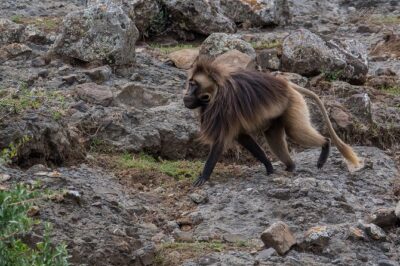
Day Trip From Addis Ababa See Historical Monastery,Stunning Nature,Animals,Birds
Read our review →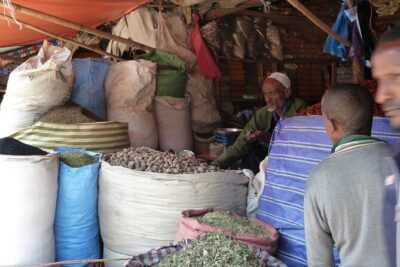
Hidden Treasures of Addis Ababa – Food, Culture and History Tour
Read our review →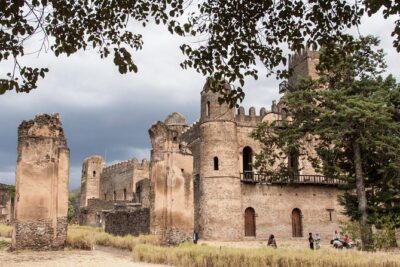
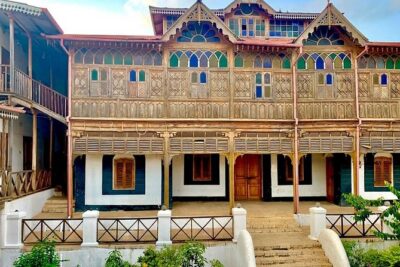
5 Days Tour to World Heritage–listed Harrar, Dire Dawa and Awash NATIONAL PARK
Read our review →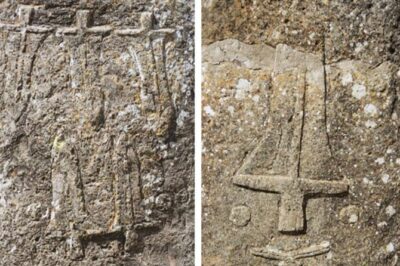
DAY TRIP TO THE UNESCO HERITAGE SITE TIYA & Melka Kunture
Read our review →
Experience a Cultural and Historical Journey through Addis Ababa
Read our review →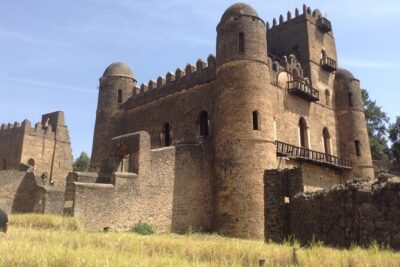
Historical tours – in five days, Addis Ababa, Axum, Laliebla and Gonder
Read our review →
city tour of Addis Ababa ( history ,culture , food and more)
Read our review →Browse the lists this tour appears in