
Reviewed · NATIONAL PARKS
Simien Mountains National Park – 7 Day Trek
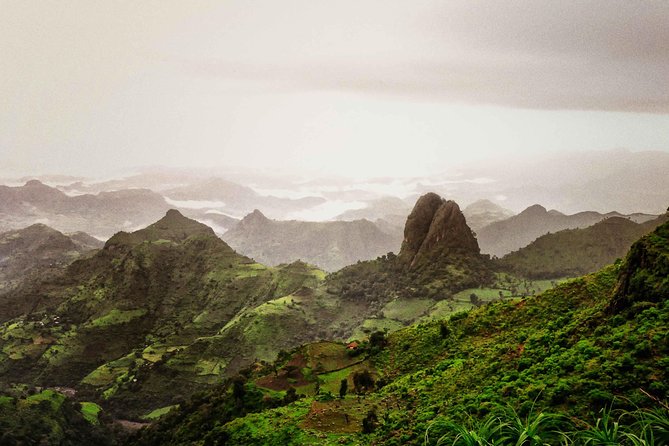
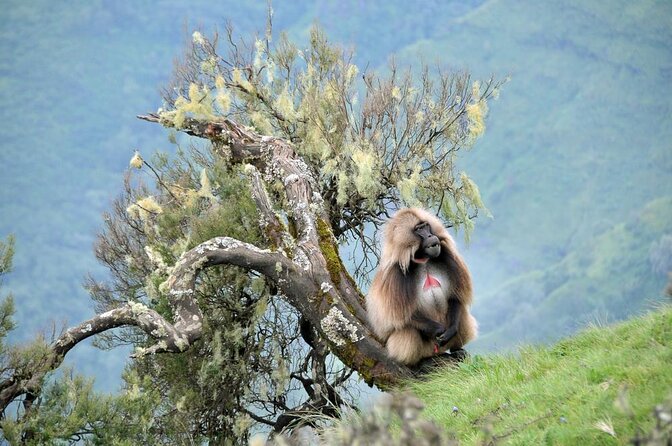
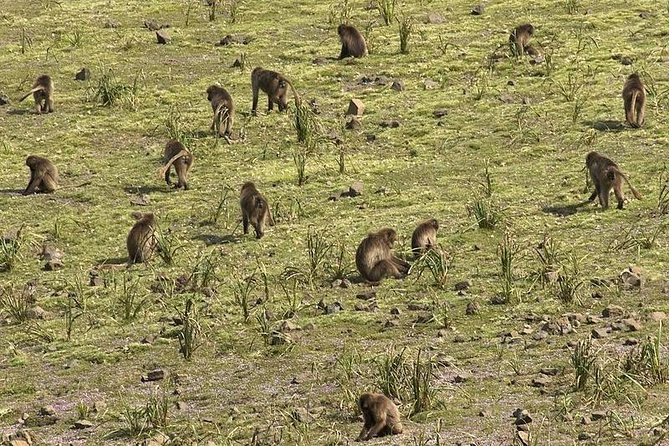
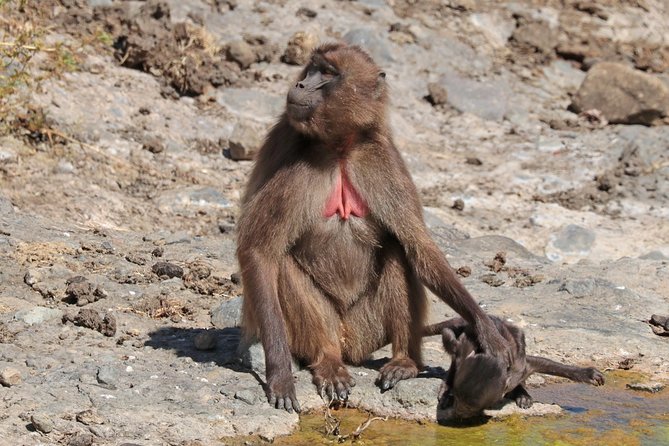
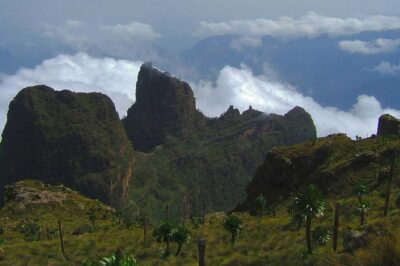
The best part of this trek is its sheer variety. You move from cliff-edge trails above deep valleys to forests, waterfalls, village paths, river crossings, and high passes. Gelada monkeys are a regular possibility, while Walia ibex, the rare Simien fox, birds, and even leopards add a real wildlife element.
I like the way the route gives you time to see the park properly, rather than rushing through a short viewpoint visit. I also like the coffee stop with a local family in Geech, a small but meaningful moment that connects the hike with daily mountain life. The main caution is simple: this is a serious high-altitude trek, with several seven to eight-hour days, steep climbs, and camping in tents.
Key points before you book
- Seven days on foot: The route includes two shorter trekking days and five full days across a large part of the park.
- High elevation: The trail rises and falls between about 2,000 and 4,200 meters, with Imet Gogo at 3,926 meters.
- Wildlife chances: Look for Gelada monkeys, Walia ibex, birds, and possibly the Simien fox or leopard.
- Authentic local stop: At Geech village, you can have coffee with a local family in a traditional tukul hut.
- Small-group format: The maximum group size is 15 people, with guides and scouts included.
- Gondar transport: Pickup is offered, and the trip begins and ends in Gondar at around 8:00 am.
Why seven days makes sense in the Simien Mountains
A shorter visit can show you the famous cliffs, but seven days lets you understand how much the Simien Mountains change from ridge to ridge. The route begins high, passes through dramatic viewpoints and camp areas, then gradually drops toward warmer ground and different vegetation.
That change matters. You are not simply walking to one lookout and returning by car. You spend long stretches on foot, with the views changing as the trail rises and falls. The park feels broader because you cross it rather than seeing only its most famous corner.
The schedule is aimed at people who already enjoy long hikes. Day 3 takes around seven to eight hours, Day 4 around eight hours, and Day 5 and Day 6 are also listed as long trekking days, even though one is mainly downhill. At altitude, downhill does not always mean easy. Loose footing, tired legs, and repeated descents can be demanding.
The price is $900 per person. That is not a budget day trip, but the cost covers seven days of park access, transport, guides and scouts, six breakfasts, seven lunches, six dinners, and the tent-based trekking program. For a trip requiring several days of support in a remote mountain area, the value depends on how much you want a fully arranged route rather than organizing each part yourself.
More national park days from Simien Mountains:
- 4 days semien mountain national park trekking,
★ 5.0 · 11 reviews - 4 Days Trekking to Simien Mountain National Park
★ 5.0 · 7 reviews - 2 Days Wildlife Safari to Awash National Park
★ 4.5 · 21 reviews
Day 1: Gondar to Sankaber and the first cliff walk
The trip leaves Gondar at 8:00 am and reaches Simien Mountains National Park at about 11:00 am. The vehicle then drops you roughly two hours before Sankaber camp, giving you a relatively gentle first walk along the cliff edge.
That first stretch takes about two hours, with a picnic lunch along the way. It is a useful introduction to the scale of the park without throwing you straight into the longest walking day. You get your first broad views, your first feel for the trail surface, and your first night in a tent at Sankaber.
The timing also shows how much of the day is spent getting into the park. You should not think of Day 1 as a full day of hiking. It is a travel-and-trek day, which is helpful for settling in but may feel short if you were expecting a hard opening stage.
Day 2: Sankaber, Jinbar Waterfall, and Geech village
The walk from Sankaber to Geech camp takes about five to six hours. The trail passes between forest and the cliff edge, giving you a mix of shade and open views rather than one long exposed ridge.
The Jinbar Waterfall is the day’s main natural feature. The water drops about 500 meters, and lunch is planned near the Jinbar River. This is the sort of stop that breaks up a long hiking day well. You have a major view to look at, water nearby, and time to eat before continuing.
The most personal part of the day comes at Geech village. You can share coffee with a local family inside a traditional tukul hut. It is a small encounter, but it gives the trek more substance than a string of viewpoints and camps. You see something of mountain life and how the villages fit into the highland setting.
Geech camp follows a seven-hour itinerary overall, so the day may feel longer than the stated five to six hours on the trail. Ask your guide how much walking remains after the village stop and plan your energy accordingly.
Day 3: Imet Gogo and the high route to Chennek
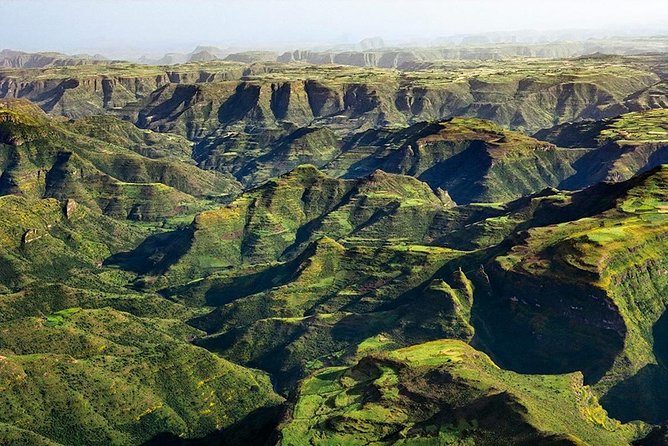
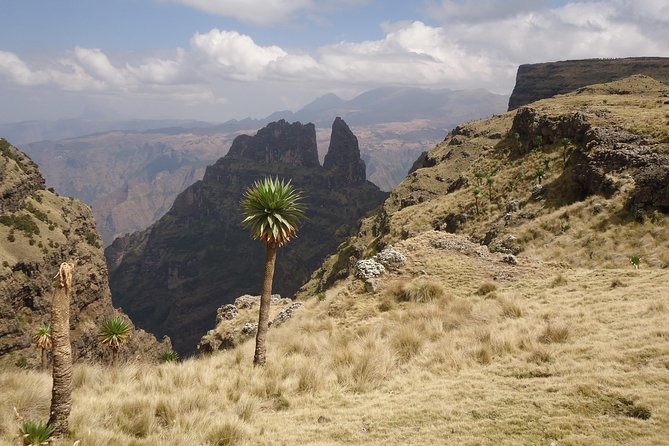
The route from Geech to Chennek takes about seven to eight hours. The major reward is Imet Gogo, which reaches 3,926 meters and offers wide views across canyons, cliffs, and valleys.
This is likely to be one of the most memorable days of the trip. Imet Gogo gives you a full 360-degree outlook, so the reward is not just one dramatic drop or single peak. You can see the mountain range spreading in several directions, which helps explain why this area is considered one of Ethiopia’s great trekking regions.
The altitude also becomes more serious here. You may be fit enough for long hikes and still feel the height. Walk steadily, follow your guide’s pace, and treat the day as a test of endurance rather than a race to Chennek.
Chennek is also one of the key camp areas on the route. The combination of high ridges, open views, and the chance of seeing Gelada monkeys makes this a major point in the trip. Give yourself time to watch the animals if they appear, but keep a sensible distance and follow the scout’s instructions.
More hikes and treks around Simien Mountains:
- 5-Day Northern Ethiopia Tour : 3D Simien Mountains Trek & Axum.
★ 5.0 · 9 reviews - Simien Mountains Trekking Adventure
★ 5.0 · 8 reviews - 2 Days Simien Mountains Trekking
★ 5.0 · 6 reviews - 3 Days Trekking Simien Mountains Tours
★ 5.0 · 6 reviews
Day 4: Chennek to Sona over Buwhit Pass
Day 4 is the highest and toughest section. You cross Buwhit Pass at about 4,200 meters before descending to Sona. The day takes around eight hours and combines a high pass, wildlife potential, and a long descent.
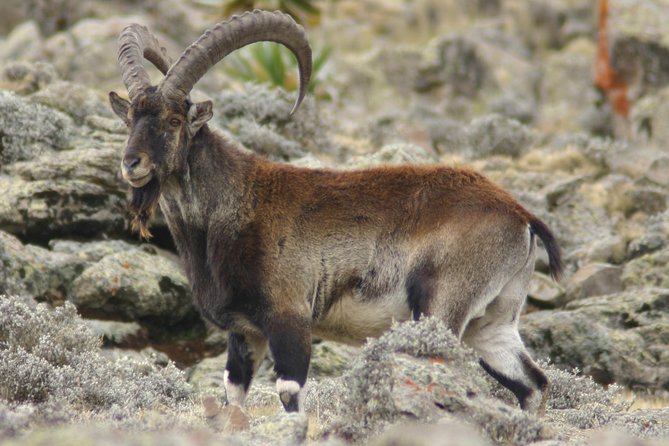
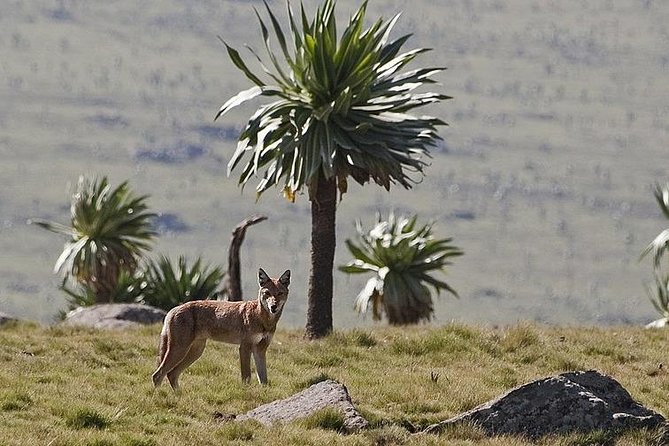
The pass is a good place to look for Walia ibex, an animal found in the Simien Mountains, and possibly the rare Simien fox. Sightings are never guaranteed, so enjoy the search without treating wildlife as a promise. Birds are also part of the park’s appeal, and you may see several kinds along the route.
The descent to Sona changes the feel of the day. After the high pass, the trail drops toward a camp known for its sunsets. That evening view can be a welcome payoff after the hardest elevation gain of the trek.
You should take the 4,200-meter figure seriously. This is not a casual walk with a little altitude attached. A strong physical fitness level is required, and anyone unsure about long days at height should think carefully before booking.
Day 5: The long drop to Mekarebya
From Sona to Mekarebya, the walk takes about five hours and is downhill for most of the way. On paper, this sounds easier than the previous day. In practice, a sustained descent can be hard on knees and thighs, especially after four days of walking.
The temperature rises as you lose altitude, and the vegetation changes from the highland setting you have seen earlier. This shift is one of the route’s strengths. You are not looking at the same scenery every day, and the warmer lower sections make the park feel much larger.
The schedule also lists about eight hours for the day, while the walking time is described as around five hours. That may reflect breaks, camp arrangements, or the full day’s program. It is worth confirming the expected walking time with the company before setting out, especially if you are planning your water and snack supplies.
Day 6: Rivers, monkeys, and the climb to Mulit
The walk from Mekarebya to Mulit takes about five to six hours. This is described as an interesting section, with sightings of vervet monkeys and several crossings of the Insya River.
River crossings add a different kind of challenge. They interrupt the walking rhythm and may require care with footing. You also finish the day with a steep climb to the campsite, so the final hours can feel harder than the distance suggests.
Mulit is reached after that final ascent. The day combines warmer vegetation, water, wildlife, and a sharp finish. It is a good reminder that the trek is not simply a steady descent from the high country. The route keeps changing its demands.
Day 7: Mulit to Adiarkay and back to Gondar
The final walk is mostly downhill and takes about two and a half hours to Adiarkay. Once you reach the main road, the vehicle takes you back to Gondar, where the program ends.
This is a sensible finish. After six nights of camping and several long days, you get one last morning on the trail without another major pass or full-day push. The drive back also gives you time to rest after the walking is done.
The final day is listed as a three-hour program, but the return drive to Gondar is part of the day’s movement. Do not schedule an important event immediately after the trek unless you have confirmed your arrival time.
Camps, meals, and support
The package includes tents, though the supplied details do not specify tent size or sleeping equipment. Breakfast is included six times, lunch seven times, and dinner six times. That matches a seven-day program with meals on the trekking days, but you should confirm what camping gear you need to bring.
Guides and scouts are included. The scouts matter in a park where wildlife encounters and mountain trails require local support. The company also provides an air-conditioned vehicle for the road sections and covers park fees, other listed taxes, and admission costs.
Alcohol is not included, and services not specifically listed are also outside the package. The practical lesson is to ask about equipment, drinks, personal snacks, and any extra transfers before you pay. The basic structure is covered, but small extras can add up on a seven-day trip.
The maximum group size is 15. That is large enough for a social trek but still more manageable than a big commercial group. Past arrangements connected with the company included airport assistance, driver support, and help from Alex, the manager, who worked with people to adjust itineraries and budgets. If you need a particular pace or have a fixed budget, contact the company before booking and discuss it clearly.
Who should book this trek
You should consider this trip if you already enjoy long mountain walks and want a serious route rather than a quick park visit. It suits people who value changing scenery, wildlife chances, village contact, and a full crossing of the park.
You should be comfortable with:
- Five full trekking days
- Seven to eight-hour hiking days
- Tent camping
- Elevation up to 4,200 meters
- Steep ascents and descents
- Basic conditions away from towns
It may not suit you if you want hotel comfort, short walks, or a fixed guarantee of seeing rare wildlife. The Simien fox, leopard, and Walia ibex are possibilities, not scheduled attractions.
The company has received strong praise for arranging transport, guides, airport help, and custom itineraries. One important detail is that some of the positive feedback relates to shorter hikes or wider Ethiopia trips, not necessarily this exact seven-day route. That does not make the praise irrelevant, but you should judge the seven-day trek on its physical demands and camping setup.
Booking value and practical details
At $900 per person, the trek offers the most value if you want one company to coordinate the park fees, vehicle, guide, scout, meals, and route. Doing the same journey independently would require more planning and local arrangements.
The strongest value is the amount of ground covered. You see Sankaber, Geech, Chennek, Sona, Mekarebya, and Mulit, with major stops at Jinbar Waterfall, Imet Gogo, and Buwhit Pass. You also get the chance to meet a local family for coffee rather than spending every day in the wilderness.
The main thing to clarify is what is included in the camping setup. Ask about tents, sleeping bags, mattresses, porter arrangements, drinking water, and luggage handling. These details are not specified in the supplied information, and they matter greatly on a week-long high-altitude trek.
Pickup is offered, the starting time is 8:00 am, and confirmation is provided when you book. You can cancel for a full refund up to three full days before the local start time. Changes or cancellations made inside that period are not accepted or refunded.
Should you book the Simien Mountains seven-day trek?
Book it if you want a demanding, well-supported mountain crossing with big views, changing vegetation, local contact, and real wildlife potential. The strongest reasons are the full route, the high viewpoints at Imet Gogo and Buwhit Pass, and the coffee stop at Geech.
Think twice if you are not used to long hikes or if you expect comfortable lodging. This is a tent-based adventure with altitude and several hard days. For fit hikers who want to see far more than the park’s roadside highlights, the $900 price can be fair value, provided you confirm the camping equipment and day-to-day arrangements before departure.
FAQ
Where does the trek start and finish?
The trek starts and finishes in Gondar, Ethiopia. Pickup is offered, and the stated start time is 8:00 am.
How long does the experience last?
The program lasts approximately seven days. It includes two half-days of trekking and five full trekking days.
How high does the trek go?
The route rises and falls between about 2,000 and 4,000 meters, with Buwhit Pass reaching approximately 4,200 meters and Imet Gogo reaching 3,926 meters.
What wildlife might I see?
You may see Gelada monkeys, Walia ibex, and different bird species. The Simien fox and leopards are also possible sightings, but they are not guaranteed.
How difficult is the trek?
It is intended for people with a strong physical fitness level. Several days involve seven or eight hours of hiking, with steep climbs, long descents, and high-altitude sections.
Where do I camp?
The route includes tent camping at Sankaber and camps at Geech, Chennek, Sona, Mekarebya, and Mulit.
Are meals included?
Yes. The package includes six breakfasts, seven lunches, and six dinners.
Is transportation included?
Yes. An air-conditioned vehicle is included for the road sections. The trip leaves Gondar for the park and returns to Gondar after the walk from Mulit to Adiarkay.
What is the maximum group size?
The maximum group size is 15 people.
Can I cancel for a refund?
You can receive a full refund if you cancel at least three full days before the experience start time. Cancellations or changes made less than three full days before the local start time are not accepted.
More Week-Long Trips From Simien Mountains
- Omo Valley Cultural Tours 7 Days From Addis Ababa
★ 5.0 · 6 reviews - 7 Days Cultural Tours to Omo Valley
★ 5.0 · 5 reviews
Just added around Simien Mountains
- Day trek to Simien Mountain★ 5.0 · 5 reviews
- Day trek to Simeien Mountains★ 5.0 · 3 reviews
- Simien Mountains – 4 Days★ 4.0 · 7 reviews
- 4 Days Trekking to Simien Mountain National Park★ 5.0 · 7 reviews
- 3 Days Simien Mountains Trekking★ 5.0 · 3 reviews
- 2 Nights 3 Days Trek to Semien Mountain★ 5.0 · 4 reviews
- 2 Days Simien Mountains Trekking★ 5.0 · 6 reviews
- 3 Days Trekking Simien Mountains Tours★ 5.0 · 6 reviews
National Parks, compared.
5 Days Tour to World Heritage–listed Harrar, Dire Dawa and Awash NATIONAL PARK
Read our review →
4 Days Trekking to Simien Mountain National Park
Read our review →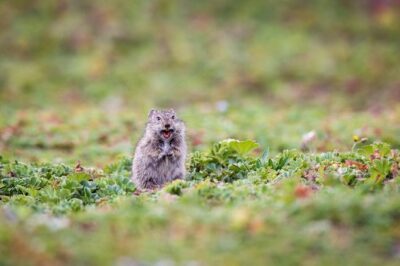
Browse the lists this tour appears in