

Reviewed · OMO VALLEY TOURS
7 Days Cultural Tours to Omo Valley
The best part of this seven-day journey is its variety. In one week, you move from Dorze bamboo homes and Konso terraces to Mursi customs, Karo body painting, a crocodile-filled lake, and a fish market where daily life is right in front of you. Southern Ethiopia feels very far from Addis Ababa, and the long drives are part of the story.
I like the private vehicle, which gives you room to stop for photographs and adjust the pace, and I like the use of local guides who know the communities visited. Abebe is named in the tour material, while one account also refers to Desta, so confirm who will lead your departure. The main drawback is simple: this is a road-heavy trip, with several days involving five to eight hours in the vehicle.
Key Points Before You Book

- Meet six Southern Ethiopian communities: Visit the Dorze, Konso, Mursi, Bena, Hamar, Karo, and Dassanech peoples across several distinct regions.
- Travel privately from Addis Ababa: Your group has its own air-conditioned vehicle rather than joining a larger scheduled coach.
- See Mursi culture in Mago National Park: The visit focuses on a well-known Mursi lip-plate tradition, handled as a cultural encounter rather than a museum stop.
- Combine villages with wildlife: Lake Chamo brings crocodiles, hippos, birds, and monkeys into the itinerary.
- Expect long driving days: The first day is listed at about eight hours, with several later days taking five to six hours.
- Check what the price covers: The $1,835 per-person price includes private transport and an air-conditioned vehicle, but landing and facility fees are excluded.
Why This Omo Valley Route Is Worth Your Time
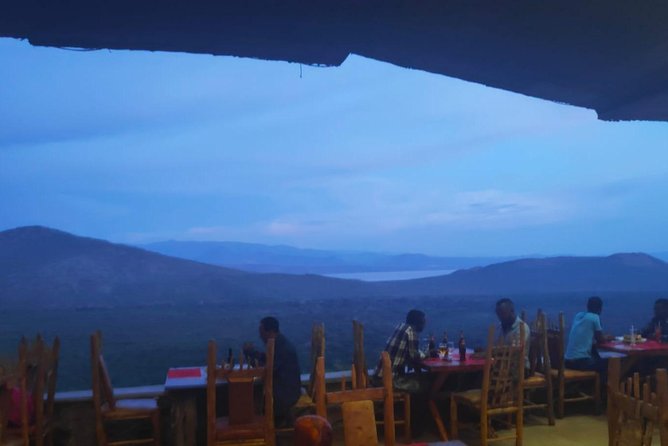
The Omo Valley is not one single attraction. It is a large southern region where languages, farming methods, clothing, architecture, ceremonies, and body decoration change from one community to the next.
That variety gives this tour its strength. You are not spending seven days looking at similar village scenes. The Dorze are linked with weaving, cotton clothing, bamboo homes, and food made from banana plants. The Konso are known for terraces and carefully built village defenses. The Mursi, Hamar, Karo, and Dassanech each bring different customs and ways of life.
I also like that the route includes Arba Minch and Hawassa. These stops break up the cultural visits and give you lakes, markets, wildlife, and city life. The schedule is ambitious, but it makes good use of a short stay.
The tradeoff is comfort. Southern Ethiopia involves long overland transfers, and the itinerary moves through several overnight bases. You should choose this trip for access and variety, not for leisurely mornings or short transfer times.
Other Addis Ababa trips people book alongside this one:
- Full Day Tour of Addis Ababa with Hotel Pickup and Drop-off
★ 5.0 · 430 reviews - Taste of Ethiopia
★ 5.0 · 406 reviews - Day Trip From Addis Ababa See Historical Monastery,Stunning Nature,Animals,Birds
★ 5.0 · 303 reviews
Day 1: Addis Ababa to Arba Minch and the Dorze Hills
The opening drive to Arba Minch is the longest of the trip, listed at about eight hours. That sounds demanding because it is. Still, the day is not only a transfer. You stop for lunch, local food, and scenic photographs along the way.
Late in the afternoon, the route climbs into the mountains to Chencha, where you visit the Dorze people. Their homes are especially memorable. The beehive-shaped bamboo huts are practical, distinctive, and tied to local building traditions. Fences and clothing also show the importance of weaving in Dorze life.
You can visit homes, learn about daily routines, and see how food and alcohol are made from banana trees and leaves. That hands-on detail gives the stop more value than a quick village photo opportunity. It lets you connect architecture, farming, food, and family life in one place.
The timing matters. Arriving late in the day may limit how long you have in Chencha, and the mountain drive follows a long day on the road. I would treat this as an introduction rather than a full study of Dorze culture.
You spend the night in Arba Minch. Ask before departure what accommodation and meals are covered, since the listed inclusions specifically identify transportation and the vehicle, not lodging or food.
Day 2: Konso Terraces and the Road to Jinka
After breakfast, you drive to a Konso village recognized as a UNESCO site. The Konso area is known for its terraced hillsides, which show how people have shaped steep ground for farming. The village also features wooden constructions, pole erections, and security arrangements that give the visit a strong sense of place.
I find this a useful counterpoint to the Dorze stop. The Dorze visit focuses heavily on homes, weaving, and food production. Konso adds farming systems, village organization, and defensive design.
A short lunch break follows, then you continue toward Jinka, stopping at a Konso market along the way. Market visits can be one of the most revealing parts of a cultural trip because they show ordinary buying and selling rather than a staged presentation. At the same time, the schedule allows only a short stop, so do not expect a long market exploration.
This day is listed at about five hours of driving. It is easier than the first day, but the route still involves a move to a new base. You spend the night in Jinka, placing you near the next day’s visit to Mago National Park.
Day 3: Mago National Park and the Mursi Visit
Day three takes you to Mago National Park to meet the Mursi people. The tour places special attention on the lip-plate tradition practiced by some Mursi women after reaching maturity. This is one of the best-known cultural features associated with the Omo Valley, but it is important to look beyond the visual detail.
You are visiting a living community, not an exhibit. Follow your guide’s advice about photographs and personal interaction, and keep your approach respectful. The tour description says the Mursi visit is a major highlight, but the quality of the encounter depends heavily on how the visit is managed and explained.
In the afternoon, you drive to Turmi. Along the route, you also visit Bena and Hamar communities. That makes this a full day of cultural stops, with about six hours of driving listed.
The Hamar visit provides a useful lead-in to the following days, since Turmi is your base for both the Karo and Dassanech outings. You spend the night in Turmi, where a restful evening would be welcome after the park visit and road travel.
A few more Addis Ababa trips worth weighing up
- 6 Days Omo Valley Tribes Tours From Addis Ababa
★ 5.0 · 33 reviews - 3 Days Omo Valley Tour
★ 5.0 · 24 reviews - 5 Days Omo Valley Tours
★ 5.0 · 15 reviews - 6 Days Lalibela, Omo Valley and Harar
★ 5.0 · 15 reviews
Day 4: Karo Body Painting Above the Omo River
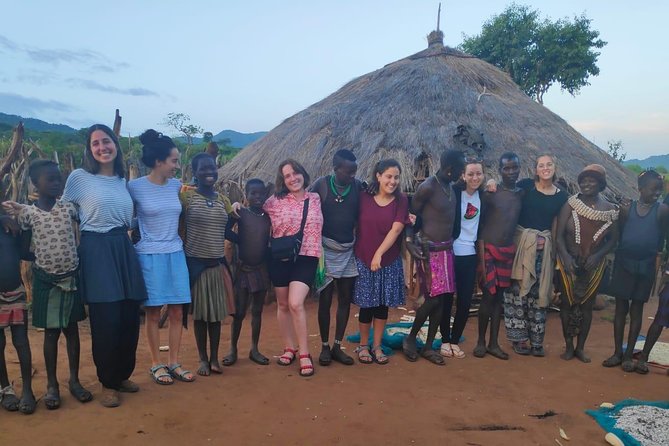
The fourth day is shorter on paper, with about five hours of driving. You travel to Korcho, a Karo village set beside a panoramic view of the Omo River.
The Karo are known for face and body painting, as well as elaborate body decoration. These designs are not just colorful details for photographs. They are part of how people present themselves and express identity, and your guide should help explain what you are seeing.
The Karo population is described as one of the smallest among the Omo Valley communities included on this route. That makes the visit feel different from a general cultural tour, but it also calls for extra care. A small population does not make a community a display for outsiders. Ask permission before taking photographs, and let the guide set the tone.
You return to Turmi for a second night. This is one of the more sensible parts of the schedule because it avoids another hotel move. After several long drives, keeping the same base gives you a little breathing room.
Day 5: Dassanech Villages Near the Kenyan Border
Day five takes you toward the Kenyan border to visit the Dassanech people. The focus here is on hunting, farming, village construction, and daily life.
The Dassanech communities are also known for dancing, and the itinerary says you may have the chance to see it. The wording matters: it is a possibility, not a guaranteed performance. Cultural activities depend on local circumstances, so keep your expectations flexible.
This stop adds another contrast to the trip. You have already seen mountain homes, terraced settlements, and river-side communities. The Dassanech visit shifts attention toward life in a border region and the practical methods used to build villages and support families.
Afterward, you drive back to Arba Minch, with about six hours on the road. That return is tiring, but it sets up the next day’s Lake Chamo boat trip. You spend the night in Arba Minch.
Day 6: Lake Chamo Crocodiles and Hawassa
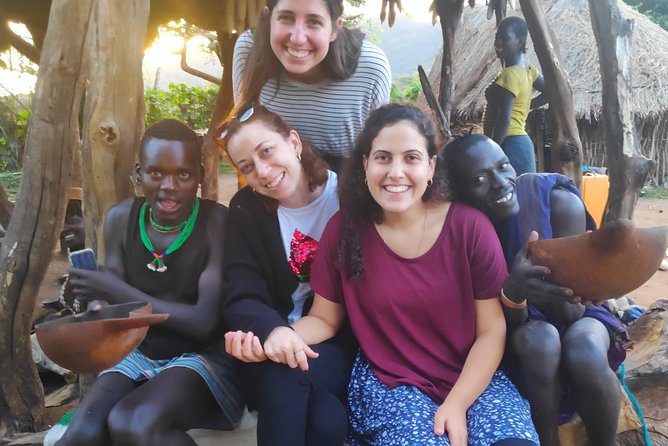
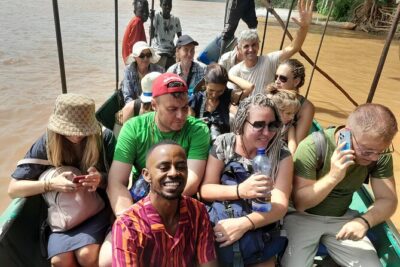
The morning begins with a boat trip on Lake Chamo, described as Ethiopia’s second-largest lake. The main draw is wildlife. You may see large crocodiles, hippos, several kinds of birds, and monkeys.
This is a welcome change after several days focused on villages and cultural traditions. The boat gives you a different viewpoint and breaks up the road journey. Wildlife sightings are never fully predictable, so consider the boat ride an opportunity rather than a promise of a particular animal.
After the lake trip, you drive to Hawassa in the afternoon and walk along the shoreline of Lake Hawassa. The day is listed at about six hours, so this is still not a lazy lakeside holiday. You are combining a morning activity with another intercity transfer.
You spend the night in Hawassa. The city stop helps widen the trip beyond the Omo Valley itself, giving you a look at a more urban setting before the return to Addis Ababa.
Day 7: Hawassa Fish Market and Return to Addis Ababa
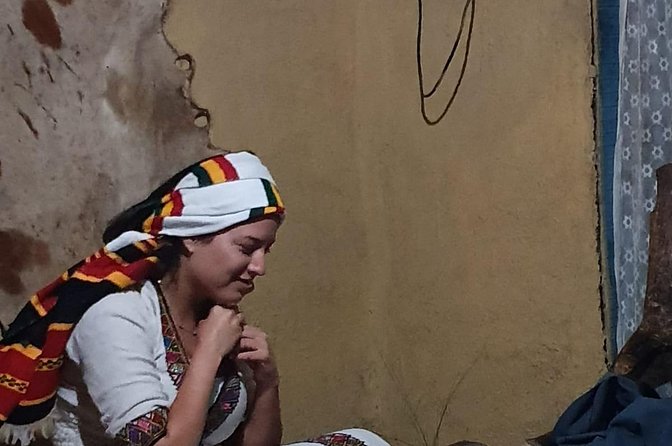
The final morning takes you to Hawassa’s fish market. It is known locally by that name and offers a chance to see fishermen selling and preparing fish. This is a practical, everyday scene, and I like it as a closing stop because it shows local commerce rather than another formal cultural presentation.
After the market, you drive back to Addis Ababa. The return journey is listed at about five hours, with lunch and lake views along the way. The tour ends with an overnight in Addis Ababa.
Since the start and end are both in Addis Ababa, the route is convenient if you are using the capital as your base. Pickup is offered, but confirm the exact meeting point and timing when booking.
What the $1,835 Price Means
At $1,835 per person, this is not a budget bus trip. The price needs to be judged against the fact that the experience is private and covers seven days of overland travel through a difficult-to-plan region.
Private transport has real value here. You can travel with only your own group, stop for scenic photographs, and avoid the fixed pace of a large coach. The vehicle is air-conditioned, which matters during long transfers.
The price also reflects the complexity of arranging several regional visits, a national park outing, local cultural contacts, a boat trip, and multiple overnight bases. Still, the published inclusions are limited. Private transportation and an air-conditioned vehicle are listed, while landing and facility fees are not included.
The data also does not clearly state that accommodation, meals, park charges, boat costs, or local entry payments are included. Ask for a written breakdown before paying. That one question will tell you the true cost much more clearly than the headline price.
The Guide and Private Tour Advantage
The strongest reason to choose this experience is the guide-led, private format. The tour is associated with Abebe, and one account names Desta as the person who knows the local communities and guides. Because the names are not fully consistent, confirm who will personally lead your departure and which local guides will join each visit.
The guide’s role matters more here than on a standard city tour. You need someone who can explain customs without reducing people to spectacles, arrange introductions, manage photography, and adjust the schedule when road conditions or local timing change.
The private setup also lets you ask for more time at a particular stop. The available information describes the guide as accommodating requests and allowing adequate time for places of interest. That flexibility is useful, though you should not assume every change is possible on a tightly packed seven-day route.
Who Should Book This Trip
You should consider this tour if you want a broad introduction to Southern Ethiopia and are comfortable spending many hours on the road. It suits people who care more about access, cultural variety, and local contact than polished resort comfort.
It is also a good fit if you prefer a private group and want the chance to ask questions as you go. The trip covers more ground than a slow village-based stay, so you see a lot in a short time.
I would think twice if you dislike early starts, rough or tiring road travel, or quick visits. The schedule is active, and some days combine several cultural stops with long transfers. It is also not the right choice if you expect every dance, wildlife sighting, or cultural activity to happen on cue.
Most people can participate, according to the tour information, but you should still consider your comfort with extended drives and repeated changes of overnight location.
Practical Booking Advice
The experience runs Monday through Sunday, with stated operating hours of 9:00 AM to 5:30 PM. Pickup is offered from Addis Ababa, and confirmation is provided at booking.
The cancellation policy allows a full refund if you cancel at least 24 hours before the start time. Changes made within 24 hours are not accepted, and late cancellations are not refunded. The tour also depends on good weather, with a different date or full refund offered if poor weather causes cancellation.
Before booking, ask these practical questions:
- Who will guide the trip?
- Are hotels and meals included?
- Which landing, facility, park, and boat fees are extra?
- What vehicle will be used for the seven-day route?
- How much time is planned at each village and market?
Those answers will help you decide if the price matches your expectations.
Should You Book the Omo Valley Tour?
Book it if you want a concentrated, private introduction to one of Ethiopia’s most culturally varied regions. The Dorze homes, Konso terraces, Mursi visit, Karo paintings, Dassanech villages, Lake Chamo wildlife, and Hawassa fish market create a memorable mix.
The main caution is the pace. Seven days gives you an impressive range, but it also means long drives and short windows at some stops. I would book after confirming the guide’s name, the full list of included costs, and the accommodation plan.
If those details suit you, the tour offers strong value for someone who wants to see a great deal of Southern Ethiopia without organizing the complicated route alone.
FAQ
How long is the Omo Valley tour?
The tour lasts approximately seven days, beginning in Addis Ababa and ending with an overnight in Addis Ababa.
Where does the tour start?
The meeting point is Addis Ababa, Ethiopia. Pickup is offered.
Is this a private tour?
Yes. Only your group participates, and private transportation is provided.
What type of vehicle is included?
The tour includes an air-conditioned vehicle for private transportation.
Which communities do you visit?
The route includes visits connected with the Dorze, Konso, Mursi, Bena, Hamar, Karo, and Dassanech peoples.
Does the tour include a boat trip?
Yes. On day six, you take a boat trip on Lake Chamo to look for crocodiles, hippos, birds, and monkeys.
Are landing and facility fees included?
No. Landing and facility fees are specifically excluded from the listed inclusions.
Can most people participate?
The tour information states that most people can participate.
What is the cancellation policy?
You can cancel at least 24 hours before the experience start time for a full refund. Cancellations or changes made less than 24 hours in advance are not accepted for a refund. If poor weather cancels the experience, you are offered another date or a full refund.
Just added around Addis Ababa
- Arba Minch, Dorze Tribe, Konso, and Awasa Private 4 Days Tour from Addis Ababa★ 5.0 · 3 reviews
- 2 Days Ethiopian Rift Valley Lakes Tour from Addis Ababa★ 5.0 · 6 reviews
- Pup crawl and nightlife tour in Addis Ababa.★ 5.0 · 4 reviews
- Taste of Addis: A Delicious 3-Hour Journey Ethiopian Flavors★ 5.0 · 4 reviews
- Mogle Mountain Hiking For Birding, Natures From Addis Ababa★ 5.0 · 5 reviews
- Fully guided city tours of Addis Ababa with hotel pickup★ 5.0 · 5 reviews
- Addis Ababa City Experience : Markets, Coffee & Local Life★ 4.8 · 5 reviews
- From Addis Ababa: 2-Day Awash National Park and Crater★ 4.1 · 3 reviews
Omo Valley Tours, compared.
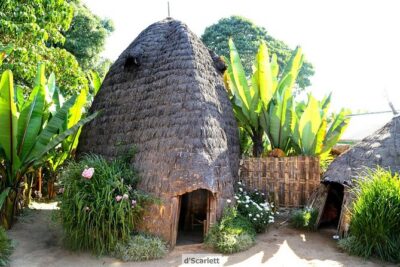
6 Days Omo Valley Tribes Tours From Addis Ababa
Read our review →

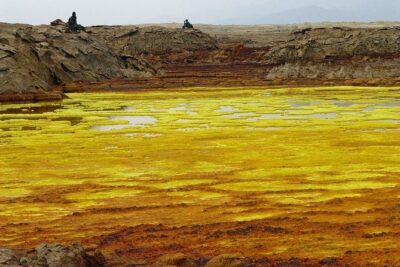

5 Day Private tour to the Omo Valley Tribes and Adventure Tour
Read our review →

Browse the lists this tour appears in