
Reviewed · OMO VALLEY TOURS
Ethiopian Fasika with North And South Omo Valley Tour Packages
Ethiopian Easter, called Fasika, is far more than a single church service. After 55 days without meat, milk, or eggs, the holiday arrives with candlelit worship, solemn Holy Week rituals, busy markets, and the colorful celebration known as Dagme Tinsae one week later. This trip places you in the middle of that season, then carries you from Lalibela’s stone churches to the tribes of the Omo Valley.
I like the way the route joins two very different sides of Ethiopia: sacred northern landmarks and living cultural traditions in the south. I also like the private format, the included meals, and the chance to attend Easter ceremonies at Bete Medhanialem rather than simply visit the church during ordinary sightseeing hours. The main caution is the pace. Long road transfers, basic regional travel conditions, and a listed itinerary that appears to cover 13 named days despite the advertised 15-day duration require some clarification before booking.
Key points to know before booking
- Ethiopian Easter is the centerpiece: Visit Lalibela during Holy Week, see the Easter market, and attend an evening ceremony at Bete Medhanialem.
- The route covers northern and southern Ethiopia: The journey links Lalibela, Axum, the Simien Mountains, Gondar, Bahir Dar, Arba Minch, Turmi, Omorate, Jinka, and Tiya.
- The Omo Valley visits several communities: The program includes Benna, Tsemay, Hamer, Dassanech, Mursi, and Ari communities.
- Meals and accommodation are included: Hotels, breakfast, buffet lunch, and buffet dinner are part of the package, while alcoholic drinks cost extra.
- This is a private trip: Only your group participates, with pickup at Bole Airport and a stated start time of 7:00 a.m.
- You need moderate fitness: Expect long drives, uneven church grounds, outdoor visits, and a demanding schedule across two weeks.
Why Fasika in Lalibela makes this journey special
Ethiopian Orthodox Easter follows a long period of fasting. During the 55-day lent, observant Christians avoid animal products, including meat, milk, and eggs. The final week before Easter, called HeMamat, is especially serious. It recalls the suffering of Jesus, and the mood is traditionally quiet and restrained.
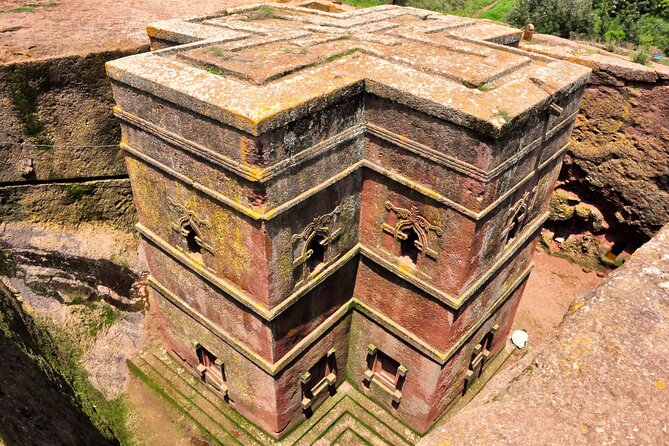
That gives this journey a different feel from a standard sightseeing holiday. In Lalibela, you are not only looking at remarkable churches cut from volcanic rock. You are arriving during one of the most important religious periods of the year, when worshippers gather, priests conduct ceremonies, and the town’s market takes on a festive role.
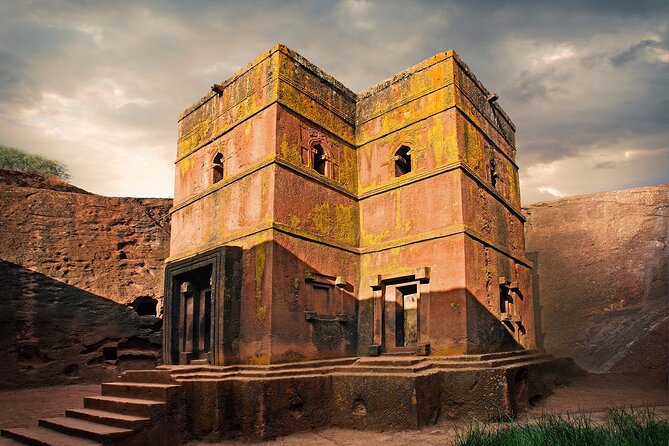
The evening service at Bete Medhanialem is one of the trip’s main highlights. The church is described as one of Lalibela’s largest rock-hewn places of worship. You should expect a religious ceremony rather than a staged performance, so respectful clothing and quiet behavior matter. The formal dress requirement is worth taking seriously.
The next week brings Dagme Tinsae, a celebration connected with the ascension of Jesus to heaven. The program does not give a precise schedule for this event, so ask the operator to confirm which ceremonies and dates fit your departure.
A few more Addis Ababa trips worth weighing up
- 6 Days Omo Valley Tribes Tours From Addis Ababa
★ 5.0 · 33 reviews - 3 Days Omo Valley Tour
★ 5.0 · 24 reviews - 5 Days Omo Valley Tours
★ 5.0 · 15 reviews
Days 1 to 3: Addis Ababa and the Easter week in Lalibela
Your first day begins with airport pickup at Bole Airport in Addis Ababa. The transfer to your hotel is listed as about 10 minutes, which makes arrival day fairly simple. You meet the team, check in, and have time to recover from the flight.
The next stage takes you to Lalibela. The schedule does not state whether this transfer is by domestic flight or road, so confirm that point before paying. It affects both comfort and the amount of time available for sightseeing.
Lalibela is the trip’s first major historical stop. Its churches were carved directly into the rock, and the group visits additional churches connected with King Lalibela after arrival. The design is not just decorative. Entire buildings, passageways, and courtyards were cut from the ground down, producing an unusual place of worship that is also an engineering achievement.
On the day before Easter, the program gives you a morning visit to more churches and an afternoon visit to a large Easter market. This is a smart pairing. The churches explain the religious setting, while the market gives you a look at how the festival reaches beyond formal worship.
In the evening, you attend the Easter ceremony at Bete Medhanialem. This will likely be the most meaningful part of the northern section for anyone interested in Ethiopian Christianity. It is also the point where the trip asks the most from you culturally. Dress formally, avoid casual behavior, and remember that this is a working place of faith.
Days 4 to 6: Axum, the Simien Mountains, and Gondar
After Lalibela, the route moves to Axum, described in the schedule as a visit to its mysterious monoliths. Axum is known here mainly through its tall stone monuments, which give the city a very different character from Lalibela. The visit adds another layer to the north, shifting from churches cut into rock to freestanding stone markers.
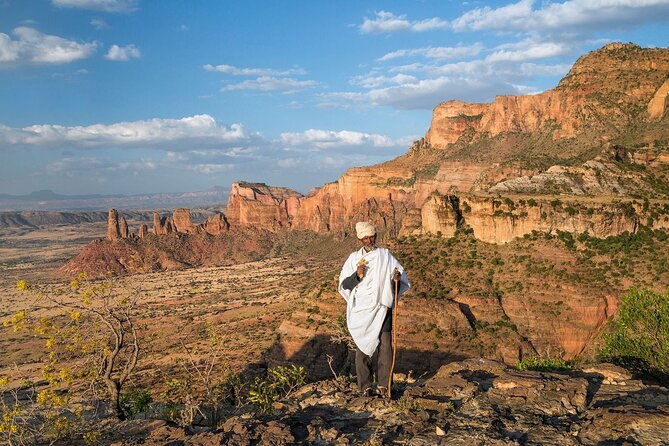
The next day takes you toward the Simien Mountains. The itinerary gives limited detail about the actual activities, so you should ask how much time is planned for viewpoints, walks, and transfers. The schedule then continues from Debarq to Gondar, called the Camelot of Africa, with an overnight stay in Gondar.
This section is likely to appeal to you if you want scenery as well as monuments. It is also one of the places where the schedule may feel tight. Lalibela, Axum, Simien, and Gondar are major destinations, but the plan moves quickly between them. If mountain walks are important to you, confirm their length and difficulty.
Gondar gives the northern route another change of mood. After religious sites and mountain scenery, you reach a historic city with royal associations. The supplied plan does not specify which Gondar monuments are included, so ask for the exact sightseeing list.
Days 7 to 9: Bahir Dar, Addis Ababa, and Awassa
The itinerary then lists Bahir Dar to Addis Ababa before continuing to Awassa. The description does not provide details about activities in Bahir Dar, and the transfer method is not stated. This is a good place to request a day-by-day transport plan.
Awassa, also called Hawassa, is the gateway to the southern portion of the trip. From here, the route continues to Arba Minch. The schedule presents this as a steady transition rather than a single major attraction, but that transition matters. Northern Ethiopia is defined here by churches, monuments, and mountain country. The south brings wildlife areas, long road journeys, and visits with distinct cultural communities.
The distance is the main issue. This is not a leisurely itinerary with several free afternoons. You may spend substantial time in vehicles, and road conditions can affect the timetable. I would pack light, keep water close, and treat the long transfers as part of the trip rather than an inconvenience that can be avoided.
Same starting point, a completely different kind of day:
- Full Day Tour of Addis Ababa with Hotel Pickup and Drop-off
★ 5.0 · 430 reviews - Taste of Ethiopia
★ 5.0 · 406 reviews - Day Trip From Addis Ababa See Historical Monastery,Stunning Nature,Animals,Birds
★ 5.0 · 303 reviews - Addis Ababa: Debre Libanos, Blue Nile Gorge, and Cave Tour
★ 4.5 · 256 reviews
Day 10: Lake Chamo, Nech Sar, Konso, and Turmi
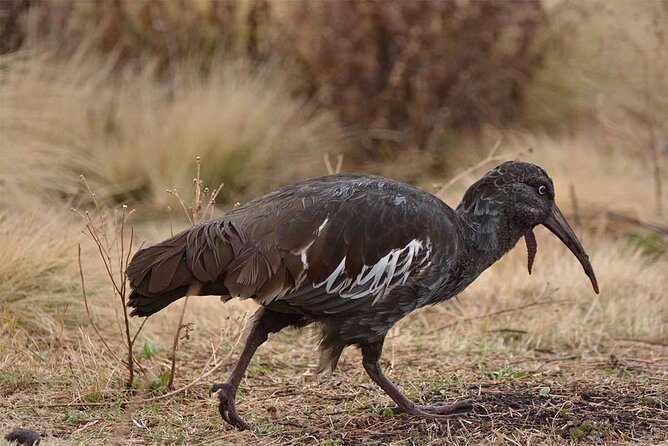
From Arba Minch, the program includes a safari at Lake Chamo and Nech Sar National Park. The supplied details do not specify the animals or the length of the outing, so ask what the safari includes and whether transport or park fees are covered.
The route then continues through Konso toward Turmi. Along the way, you visit Benna and Tsemay villages. These stops are important because they give you cultural encounters before reaching the main Omo Valley base.
Turmi is associated with the Hamer people, and the program includes a visit to the Hamer community followed by an overnight stay at Turmi Lodge. The Hamer are one of the best-known groups in the region, but a responsible visit depends on the way it is organized. Ask how photography, village access, and local guiding are handled. A good cultural visit gives people room to go about their lives instead of turning every meeting into a photo stop.
This is also one of the trip’s more basic sections. Turmi is remote, and the lodge experience may not match the hotels used in Addis Ababa or the northern cities. That is not necessarily a flaw, but you should expect simplicity and bring patience.
Day 11: Omorate and Jinka, from the Dassanech to the Mursi
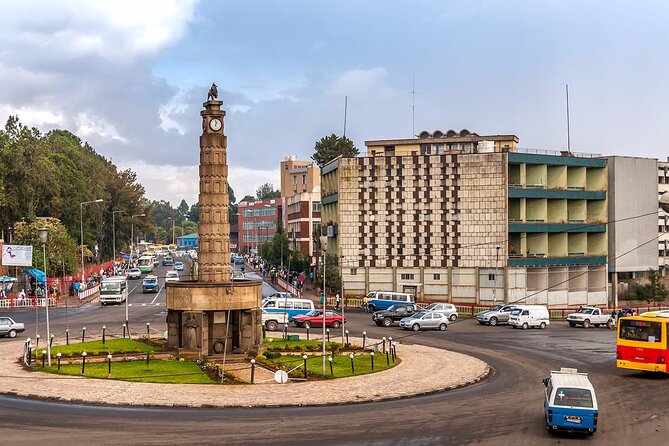
The excursion to Omorate takes you to the Dassanech, described as people of the Delta, living near the northern shore of Lake Turkana. The visit requires a long outward and return journey, followed by a drive to Jinka for lunch.
The route then continues to a Mursi village before returning to Jinka for an overnight stay at a resort. This is a full day, and the combination of Omorate and the Mursi visit makes it one of the most demanding sections of the tour.
You should approach these visits with cultural care. The Omo Valley communities are not museum exhibits. Ask your guide how introductions work, how photographs are managed, and whether local payments are included. The presence of a private guide can help, but your own behavior matters just as much.
The benefit is variety. In one day, you encounter communities with different environments and customs, rather than seeing only one Omo Valley group. The drawback is that long drives can leave little time for relaxed conversation or observation.
Day 12: Ari pottery and weaving near Jinka
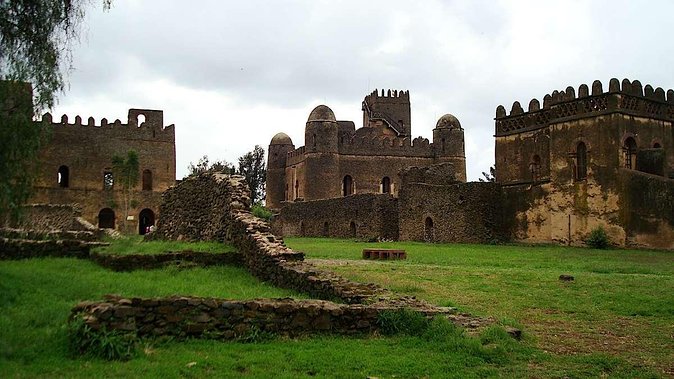
The next morning focuses on Ari communities near Jinka. The program includes a visit to see pottery making and weaving. I like this part because it moves beyond a quick village stop and points toward specific skills and work.
Handcraft demonstrations can be among the most useful cultural visits when they are handled well. You get to see how objects are made, ask questions through the guide, and understand that local life includes skilled labor, trade, and artistic traditions. If you want to buy anything, ask where the money goes and negotiate politely.
The drive to Welayta Sodo follows, with dinner and an overnight stay. Again, the schedule is ambitious. You have a morning visit, a long transfer, and another hotel change. Pack your daily essentials in a small bag so you are not opening your main luggage at every stop.
Day 13: Tiya, Adadi Maryam, and the final dinner
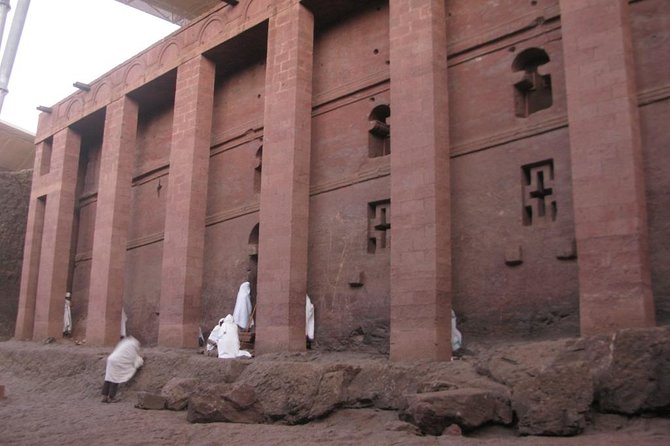
The return drive toward Addis Ababa includes Tiya, a UNESCO site known for its carved stone markers. This gives you one final look at Ethiopia’s older monuments before the trip returns to the capital.
The route also includes Adadi Maryam, a rock-hewn church associated with King Lalibela. It creates a useful link with the opening days in Lalibela. You see another church cut from rock, but in a different setting and near the end of a route that has crossed much of the country.
The final evening includes a folkloric dinner with national dishes, dances from several ethnic groups, and a traditional coffee ceremony. Alcohol is not included, though it can be purchased. This dinner is a polished ending after the more direct encounters in the Omo Valley, so it is best viewed as a cultural show and farewell meal, not a replacement for village visits.
The schedule then says you are transferred to the airport for departure. Here is the most important practical question: the package is advertised as approximately 15 days, but the supplied day-by-day plan names Days 1 through 13. Ask the operator to provide the missing days and confirm your arrival and departure dates before booking flights.
What the $1,371.91 price covers
At $1,371.91 per person, the price can offer solid value if the listed accommodation, transport, guide services, park visits, and cultural arrangements are all included as expected. You receive accommodation, breakfast, buffet lunch, and buffet dinner. A private format also means you are not sharing the experience with an unknown large group.
The value comes from the range of places covered. You are not paying for one city tour. The package links religious sites in the north, mountain country, southern parks, and several Omo Valley communities. Independent planning across this route would take considerable time.
Still, confirm what is excluded. Departure tax is extra and payable at tour check-in. Alcoholic drinks are not included. The program also does not clearly list domestic flights, park fees, entrance charges, tips, or photography payments, so ask for a written cost breakdown.
The company is Aman Ethiopia Tours and Travel Agent. Amanuel is named in the feedback connected with the company, and the operation may use multilingual guides. That can be useful on a route with many cultural and religious subjects, but request the guide language and the specific guide assigned to your group.
Who should book this Ethiopian Easter journey?
I would choose this trip if you want a broad first visit to Ethiopia and prefer one private arrangement to several separate bookings. It suits people who care about religious traditions, historic churches, cultural encounters, and a route with many different settings.
You should be comfortable with early starts, long drives, changing hotels, and a moderate level of physical activity. The operator says the tour runs in all weather, so practical clothing matters. Formal dress is required, especially for religious visits.
Families may book with the child rate, but it applies only when a child shares with two paying adults. Vegetarian meals are available if requested at booking, and you should provide any other dietary needs at that time.
The tour has free cancellation up to 24 hours before the start time. If you cancel later, the payment is not refunded. The experience also requires a minimum number of participants, despite being private, so ask how that condition affects your booking.
Should you book it?
Book this journey if Ethiopian Easter is your main reason for going and you want to add the Omo Valley rather than stay in the north. The Lalibela ceremony, Easter market, rock-hewn churches, and southern cultural visits give the trip a strong sense of purpose.
I would not book until the operator explains the missing days, transport between major stops, exact inclusions, and the time allowed at the Simien Mountains and Bahir Dar. Once those details are clear, the package offers an ambitious and unusual way to see Ethiopia, with the greatest rewards coming from its religious timing and wide geographic range.
FAQ
Where does the tour begin?
The tour begins at Bole Airport in Addis Ababa, Ethiopia. The stated start time is 7:00 a.m., and airport pickup is offered.
How long is the tour?
The package is advertised as approximately 15 days. The supplied day-by-day schedule names activities through Day 13, so you should confirm the full duration with the operator before booking.
Is this a private tour?
Yes. Only your group participates in the activity. A multilingual guide may operate the tour.
What meals are included?
Accommodation, breakfast, buffet lunch, and buffet dinner are included. Alcoholic drinks are available to purchase but are not included. Vegetarian meals are available if requested at booking.
Is the tour suitable for children?
A child rate applies only when the child shares with two paying adults. The operator also states that participants should have a moderate level of physical fitness.
Can I cancel for a full refund?
You can cancel at least 24 hours before the experience start time for a full refund. Cancellations made less than 24 hours before the start time are not refunded, and changes within that period are not accepted.
Just added around Addis Ababa
- Explore Addis Ababa★ 5.0 · 5 reviews
- Addis Ababa Private Tour★ 5.0 · 7 reviews
- Explores the Heart of Addis Ababa full day city tour★ 5.0 · 6 reviews
- Private Full-Day Stone Age and Medieval Tour from Addis Ababa★ 5.0 · 3 reviews
- Monastic Marvels Exploring the beauty of Debre Libanos Monastery★ 5.0 · 3 reviews
- Debre Libanos and Portuguese bridge★ 4.5 · 7 reviews
- Day Trip Around Addis Ababa★ 5.0 · 3 reviews
- Day Trip From Addis Ababa To Debre Libanos and Portuguese Bridge★ 5.0 · 4 reviews
Omo Valley Tours, compared.
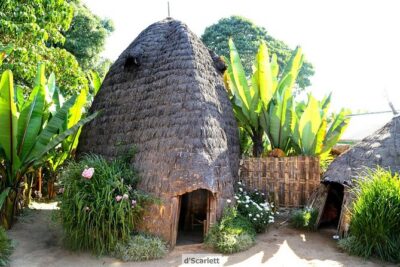
6 Days Omo Valley Tribes Tours From Addis Ababa
Read our review →
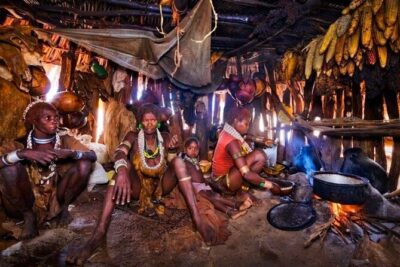
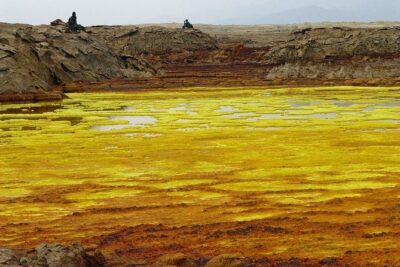

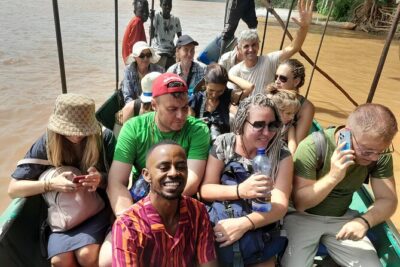
5 Day Private tour to the Omo Valley Tribes and Adventure Tour
Read our review →

Browse the lists this tour appears in