
Reviewed · TRIBAL TOURS
From Jinka: Omo Valley Tribe 3-Day Tour
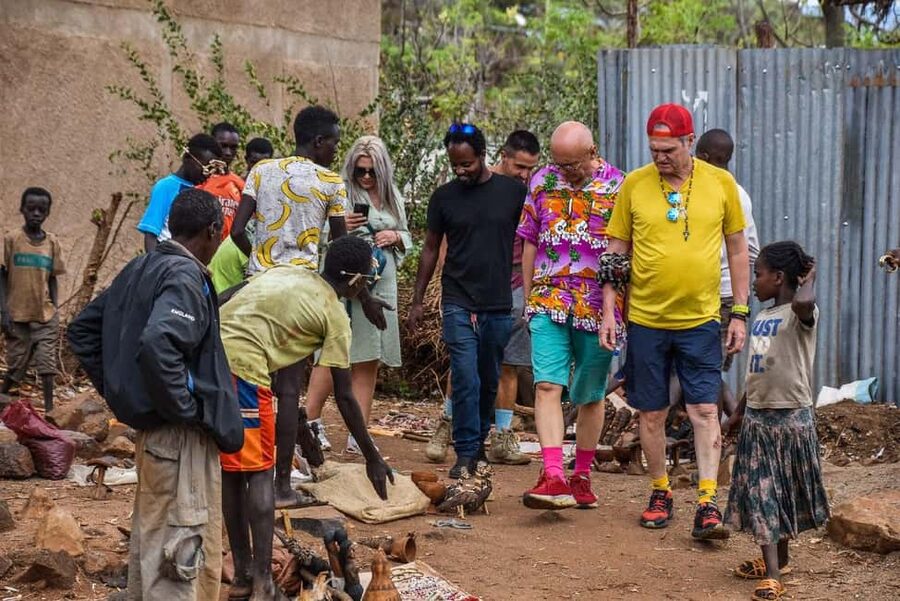
The strongest part of this three-day trip is the chance to meet people in Omo Valley villages rather than simply pass through a museum or staged cultural center. You’ll see daily life, local dress, markets and customs connected to communities including the Mursi and Karo, with a guide helping you understand what you are seeing. The village visits and time in Mago and Omo parks give the trip its real weight.
I like that the price includes the pieces that can be hard to arrange on your own: a professional guide, car and driver, hotel with breakfast, entrance fees and scout fees. I also like the weekday-market stop, since shopping gives you a practical look at local trade instead of reducing the region to photographs.
The main consideration is cost. At $900 per person, you still pay separately for lunch, dinner, domestic flights, photographs, video, drinks and any cultural festival or ceremony. The trip is also not suitable for wheelchair users, babies under one, people with insect allergies, or those with certain medical concerns.
Key details that shape the trip
- Three days from Jinka: The tour uses Jinka as the starting point for village, market and park visits.
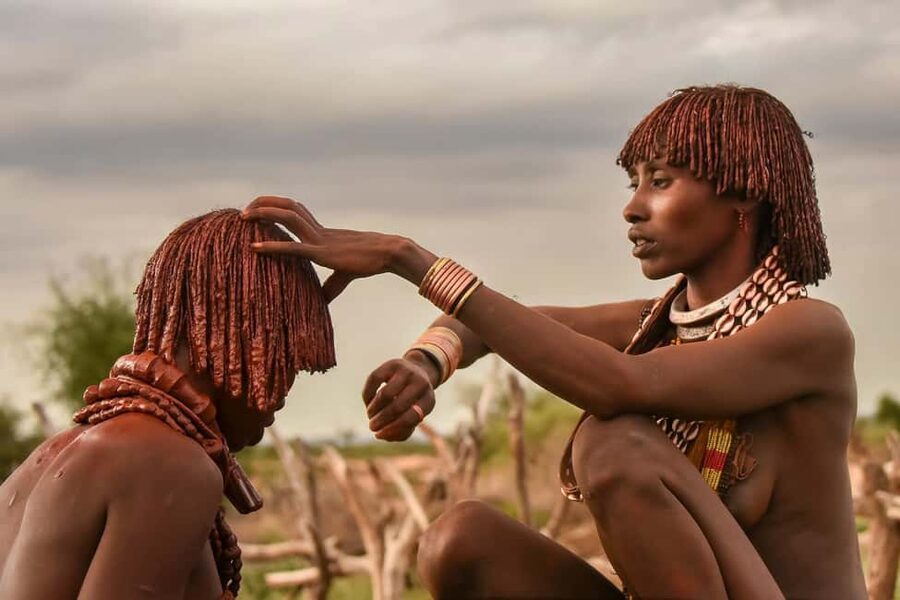
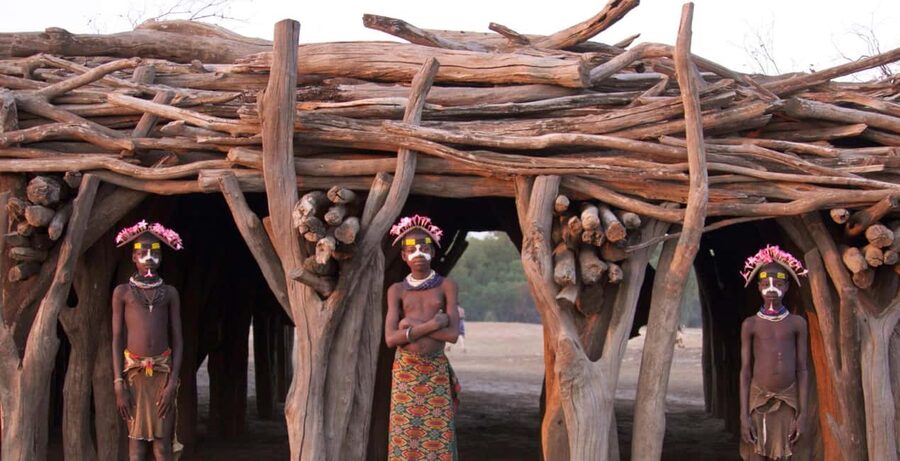
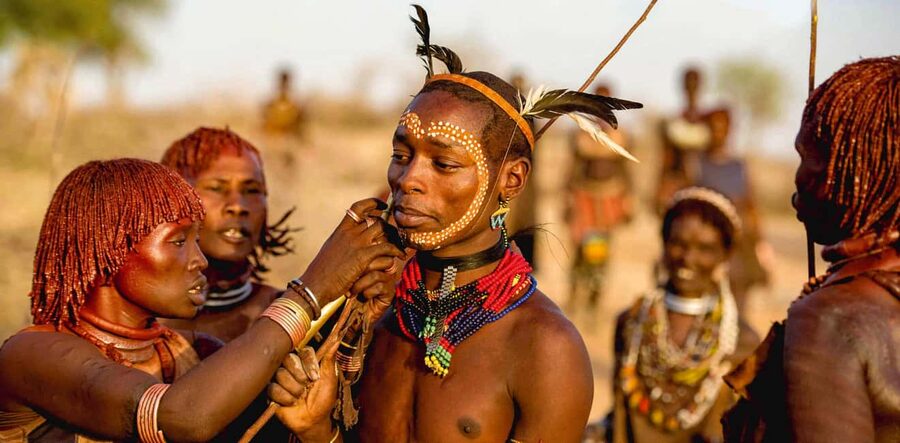
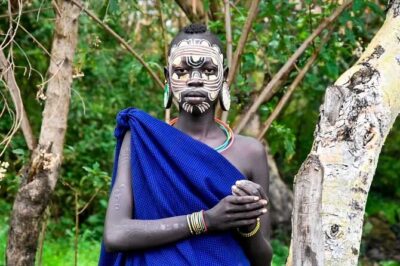
- Mursi and Karo encounters: You may meet Mursi women known for lip plates and Karo boys who may wear ash paint, with photography handled as a separate paid matter.
- Weekday market shopping: Local markets add ordinary commerce, bargaining and useful context to the cultural visits.
- Mago and Omo parks: Park access and scout fees are included, giving the trip a nature component as well as a cultural one.
- A guide, driver and hotel included: The basic structure is arranged for you, while meals and several optional costs remain separate.
- A flexible payment policy: You can reserve now and pay later, and cancellation is available up to 24 hours before departure for a full refund.
Why the Omo Valley visit feels different
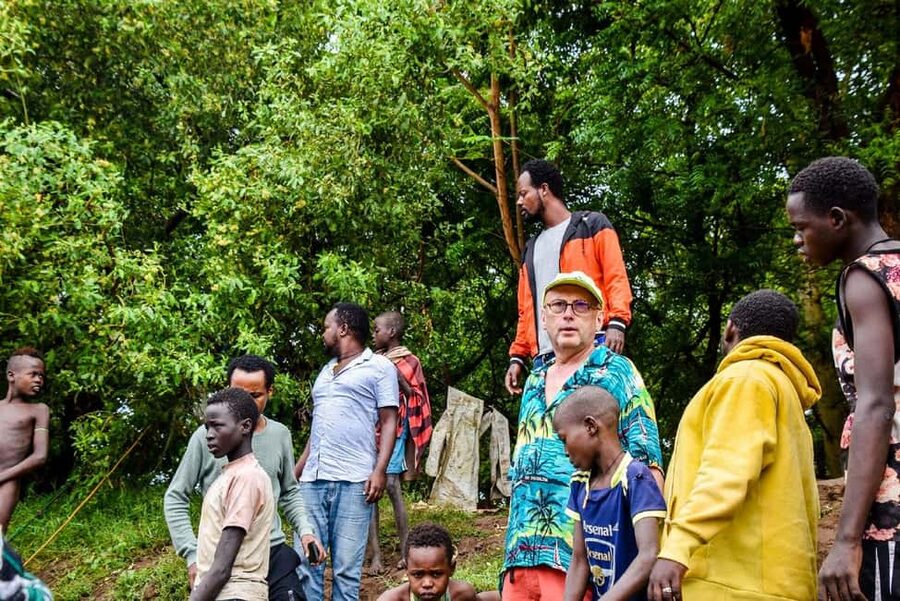
The Omo Valley is not a single attraction with one entrance gate. It is a broad area where community life, trade, travel and protected natural areas overlap. A three-day trip from Jinka lets you see several sides of the region, though it also means you should expect road travel and a busy schedule.
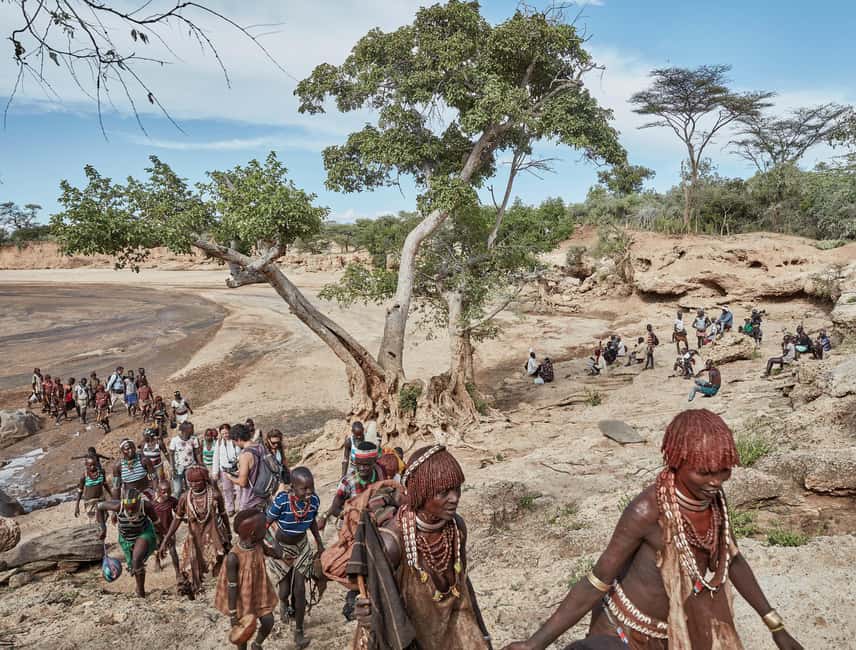
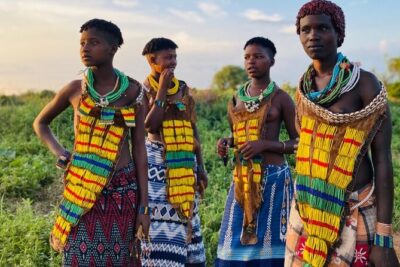
The cultural visits are the main reason to come. You may meet members of communities such as the Mursi and Karo, see distinctive clothing and body decoration, and learn about everyday customs. The most important point is to treat these meetings as encounters with people, not as a costume show made for a camera.
Your guide matters here. The guide is expected to explain local customs and help manage contact in the villages. That can make the difference between a quick photo stop and a visit that gives you some sense of how people live. Since no guide’s personal name is provided in the tour details, you should request the name and language ability of your assigned guide before setting out.
Photography has a price in this region. Video and photograph fees are not included, so carry cash and ask clearly before taking pictures. This is not merely a budget detail. It gives you a chance to understand the local rules and avoid an awkward exchange after the camera is already out.
More Omo Valley tribal trips:
- 6 Days Omo Valley Tribes Tours From Addis Ababa
★ 5.0 · 33 reviews - 9 Days Tours To Danakil Depression, Simen MNP, Lalibela With Omo Valley Tribes
★ 5.0 · 11 reviews - 5 Day Private tour to the Omo Valley Tribes and Adventure Tour
★ 5.0 · 11 reviews
Day one from Jinka: setting out for village visits
The trip begins from Jinka, with transport provided by car and driver. Your flight details must be supplied in advance, so the operator can coordinate the start of your stay. Domestic flights are not part of the $900 price, and you need to budget for them separately if they are part of your route.
The first day is likely to set the tone for the rest of the trip: long stretches of travel, stops in villages and time with local communities. The exact order is not specified, so you should ask for the planned route before booking if a particular village matters most to you.
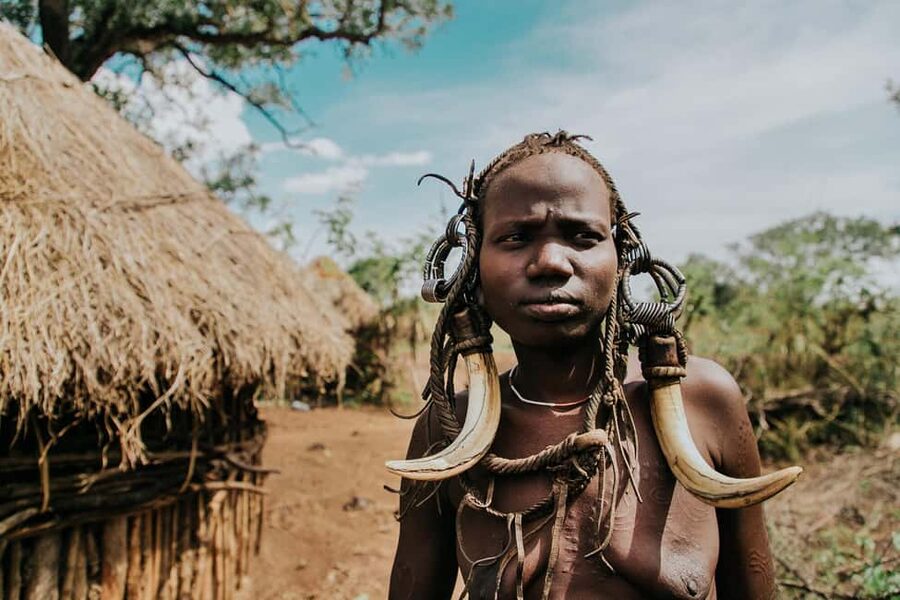
A village visit can be visually striking, especially if you meet Mursi women with lip plates or Karo boys with ash-painted faces. These details are well known, but they are only one small part of the encounter. Listen to the guide’s explanation, notice the setting, and allow time for ordinary interactions rather than treating every person as a portrait subject.
The tour description presents the tribes as friendly, but friendliness should not be confused with unlimited access. You are entering someone else’s home area. Ask before photographing, follow your guide’s directions, and keep your approach respectful. A good visit depends as much on manners as on scenery.
Hotel accommodation and breakfast are included, which removes one common worry after a full day on the road. Lunch and dinner are not included, so plan to pay for those yourself. Alcohol is also excluded, and alcohol and drugs are not allowed on the tour.
Mursi and Karo culture: what you should look for
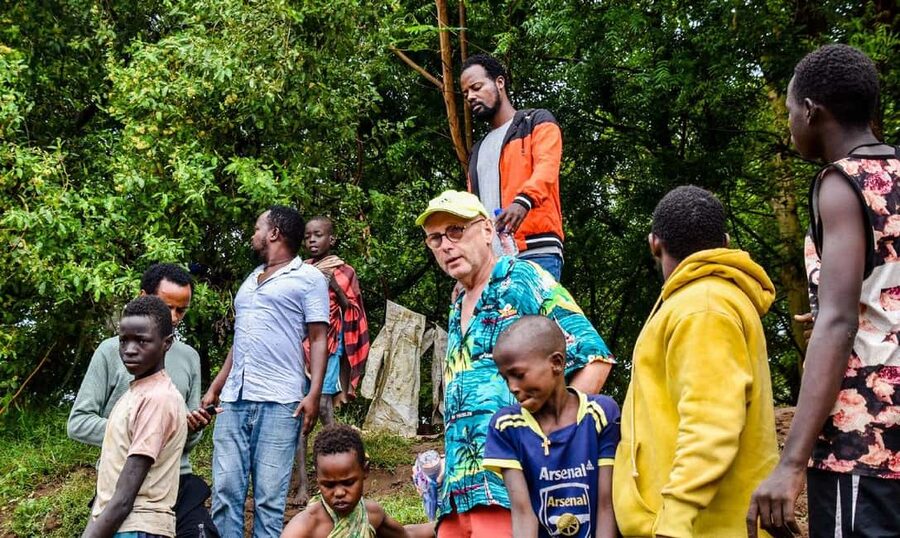
The Mursi and Karo are often the names people know before they arrive. The Mursi are associated with lip plates worn by some women, while Karo people may use ash paint as part of their appearance. These features can be memorable, but they should not become the entire story of the visit.
I would use the guide’s explanations to ask broader questions about work, family life, local customs and the meaning of what you see. The supplied information does not promise a formal lecture or a set ceremony, so remain open to a less scripted meeting.
Cultural festivals and ceremonies cost extra if one happens to be available during your visit. The tour price does not cover entrance to any such event. That is useful to know because a festival may sound like an obvious part of the package, but it is not included automatically.
You should also remember that cultural contact can be unpredictable. The tour promises village visits, but it does not guarantee a specific ceremony, a certain number of people, or a fixed photography session. The best approach is to value the visit itself rather than chase one perfect image.
Weekday markets: the most ordinary and useful stop
The weekday markets are one of the smartest additions to this trip. In a village, you are mainly observing community life. At a market, you see people buying, selling and moving goods, which gives you a more everyday view of the region.
You can shop for local items and should carry cash for purchases. The details do not specify which goods will be available or how large each market will be, so avoid arriving with a fixed shopping list. Instead, look for objects that are clearly sold to local buyers and ask your guide about their use and price.
Market time also gives you a break from the pressure of cultural photography. You can focus on color, trade and conversation. If you are comparing this trip with a simple village excursion, the market stop adds useful variety and makes the three days feel less one-note.
The word weekday matters. If your dates do not line up with the intended market days, the experience may not be the same. Confirm the market schedule with Aman Ethiopia Tour & Travel before you pay, especially if shopping is one of your main goals.
More three-day trips from Ethiopia:
- 3 Days Danakil Depression Tour
★ 4.5 · 135 reviews - 3 Days Danakil Depression Tours Via Semera
★ 5.0 · 47 reviews - 3 Day Danakil Depression Ertale and Dallol Tours
★ 5.0 · 44 reviews - 3 Days Dankile Depression group Tours
★ 5.0 · 40 reviews
Mago and Omo parks: adding nature to the route
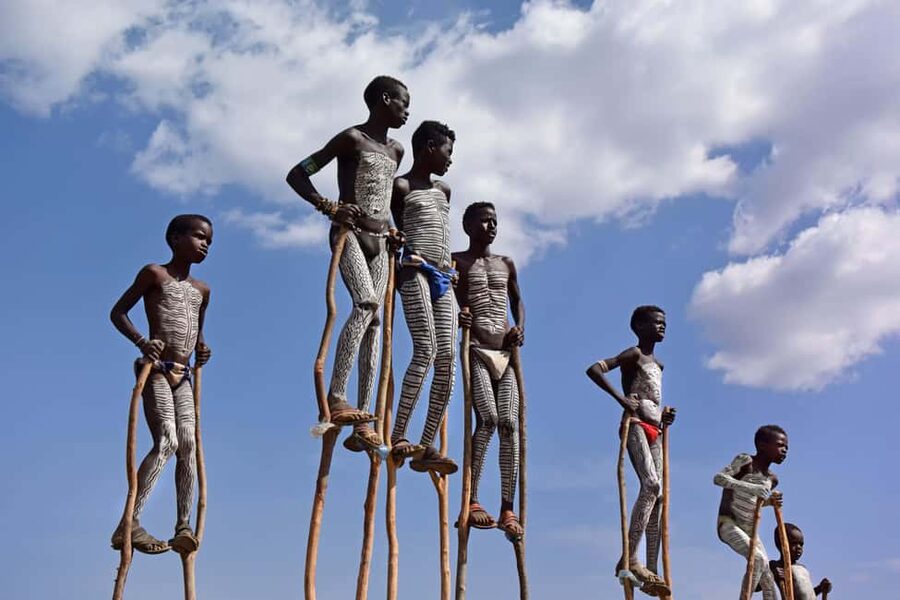
The trip also includes visits to Mago and Omo parks. The information describes Omo National Park as a UNESCO-registered World Heritage Site and includes entrance and scout fees in the tour price. This gives you more than a cultural circuit, with protected natural areas forming part of the route.
The park visits may appeal to you if you want a change of pace from village stops. Bring binoculars if you enjoy watching wildlife or scanning the surroundings, though the tour details do not promise a particular animal sighting. It is best to treat the parks as places for scenery and observation rather than a guaranteed wildlife drive.
A scout fee is included, which is important in protected areas. Your scout and guide can help with local rules and movement through the parks. Your driver handles the road travel, while you should remain alert to the fact that conditions and timing can affect how long you spend at each stop.
The tour does not specify a detailed hour-by-hour schedule. That is common for a route shaped by road conditions, local access and village arrangements, but it means you should ask for a clear outline before departure. You want to know how much time is planned for parks compared with cultural visits.
What the $900 price really covers
At $900 per person, this is not a low-cost trip. Still, the value depends on how much independent planning you would otherwise need in a remote region. The price covers hotel accommodation with breakfast, a professional guide, a car with driver, entrance fees and scout fees.
Those inclusions matter. Transport is not a small extra on a three-day route, and having a guide helps with cultural communication and park access. The arrangement also gives you one point of contact for the route instead of asking you to coordinate drivers, lodging and local fees yourself.
You need to add lunch and dinner, alcohol if relevant, domestic flights, photo and video fees, and any festival or ceremony entrance. The total cost can therefore rise well above $900, especially if you are flying into the region or plan to take many photographs.
For two or more people, ask whether the quoted price changes with group size. The supplied details state the price per person but do not specify the group size or whether the car is private. That information will help you judge the value more accurately.
The reserve-now, pay-later option is useful if your Ethiopian route is still taking shape. You can also cancel up to 24 hours in advance for a full refund, according to the stated policy. Confirm all terms at booking, particularly the handling of flights and any changes to the route.
Practical preparation for three days
Bring your passport, camera, cash and binoculars. Your passport is a basic travel document, while cash is especially important because meals, purchases and photo fees are not included. A camera is useful, but use it carefully and ask before taking pictures.
The tour is not suitable for wheelchair users, people without experience, people with pre-existing medical conditions, babies under one year, or people with insect allergies. These limits should not be treated as minor fine print. The route’s remote setting and outdoor components can make comfort and medical planning important.
Tell the operator your flight details before the trip. Also ask which languages your guide can provide. The listed languages are French, Italian, Spanish and Portuguese, but the information does not state whether every tour has a guide in each language or whether English is available.
Pack with a warm, practical mindset. The supplied details do not give a specific clothing list, so avoid assuming that special equipment is included. Cash, a camera and binoculars are explicitly recommended, and you should also follow the operator’s advice about clothing and personal supplies.
The strongest and weakest parts of the experience
The best feature is the personal scale. The trip is designed around local communities, parks and a guide rather than a large attraction with a fixed script. A previous guest described the service as highly personalized, with transportation, local activities and accommodation handled carefully. That fits the structure of the package.
The cultural balance is also strong. You get villages, markets and parks instead of three days focused on only one type of stop. That mix can make the journey feel more complete and gives you different ways to understand the region.
The weaker point is the lack of a precise published itinerary. If you need exact departure times, guaranteed village access or a fixed list of ceremonies, ask detailed questions before booking. The tour provides a framework, but not every moment is defined in advance.
The extra fees may also surprise you. Photo and video charges are easy to overlook, and cultural festival access is separate. Carry cash and set aside a realistic extra budget so the final bill does not catch you off guard.
Who should book this Jinka tour
I would recommend this trip to you if you want a guided introduction to Omo Valley communities and protected parks, and if you prefer having transport, accommodation and local access arranged together. It suits people who are comfortable with cultural uncertainty and who can approach village visits with patience and respect.
It is less suitable if you need wheelchair access, have a serious insect allergy, are traveling with a baby under one, or have a medical condition that makes remote travel difficult. It may also frustrate you if you want a cheap holiday with all meals and activities included.
Before booking, ask three practical questions: What is the exact route for my dates? What photo fees should I expect? Is the car private, and what language will my guide speak? The answers will help you decide if the $900 price fits your plans.
FAQ
How long is the Omo Valley tour from Jinka?
The tour lasts three days and begins from Jinka.
What is included in the $900 price?
The price includes hotel accommodation with breakfast, entrance fees, scout fees, a professional guide, and a car with driver.
Are meals included?
Breakfast at the hotel is included. Lunch and dinner are not included.
Are domestic flights included?
No. Domestic flights are listed as an extra cost.
Do I pay separately for photographs and video?
Yes. Video and photograph fees are not included in the tour price.
What should I bring?
Bring your passport, camera, cash and binoculars. You should also provide your flight details before the trip.
Can I cancel the booking?
You can cancel up to 24 hours in advance for a full refund, according to the stated cancellation policy. The reserve-now, pay-later option also lets you hold a place without paying immediately.
Should you book it?
Book this tour if you want a guided, arranged route through Omo Valley villages, weekday markets, Mago and Omo parks, and you accept that cultural visits are not fully scripted. The package covers several costly basics, but you must budget for meals, flights and photography.
I would make the booking after confirming the route, guide language, group size and expected extra fees. If those details suit you, three days from Jinka offers a thoughtful mix of people, markets and protected nature without leaving every practical detail to chance.
Just added around Ethiopia
- Best of Addis Privet Guided city Tour★ 5.0 · 6 reviews
- Debre Libanos Monastery & Scenic Portuguese Bridge Tour★ 5.0 · 4 reviews
- Addis Ababa: Entoto hill and Mercato Market layover tour★ 5.0 · 5 reviews
- Addis Night Life yod Abissinia★ 3.8 · 4 reviews
- Day trip Adadi Mariam, Melka Kunture and Tiya stele★ 3.1 · 5 reviews
- A perfect day trip to Lake wenchi from Addis Ababa★ 5.0 · 3 reviews
- Addis Ababa city tour from Bole airport and All Hotels★ 4.0 · 3 reviews
- Addis Ababa Essentials: Flexible Full-Day City Sightseeing★ 5.0 · 3 reviews
Tribal Tours, compared.
6 Days Omo Valley Tribes Tours From Addis Ababa
Read our review →
9 Days Tours To Danakil Depression, Simen MNP, Lalibela With Omo Valley Tribes
Read our review →
5 Day Private tour to the Omo Valley Tribes and Adventure Tour
Read our review →
6 Days Omo valley Tribal Tour (Starts Arba Minch End Jinka)
Read our review →Browse the lists this tour appears in