
Reviewed · WORKSHOPS
Addis abeba Full Cooking class.
Addis Ababa is a good place to learn Ethiopian food because the cooking is tied closely to daily life. This four-hour outing takes you from Shola Market to the National Museum and then into a local home, where you help make injera, shiro wot, and coffee.
I like the hands-on format, especially the chance to cook in a shared home kitchen rather than watch a polished demonstration. I also like the airport pickup, which makes this a useful choice during a long Addis Ababa layover. The main drawback is the price: at $90 per person, it costs more than a simple cooking lesson, so you need to value the transport, museum stop, meal, and personal hosting.
The experience is described with Abraham and Selam, though one booking account names Reta as the guide. Confirm your guide when booking, especially if the name matters to you. Bring comfortable shoes and warm clothing, and remember that breakfast and dinner are not included.
Key points at a glance
- A real home kitchen: You cook in a local home setting and share the finished food with your hosts.
- Three-part food lesson: The class covers injera, shiro wot, and a traditional Ethiopian coffee ceremony.
- More than a cooking class: The route includes Shola Market and the National Museum, home of the famous Lucy fossil.
- Useful for short stays: Airport pickup makes the four-hour program practical during an Addis Ababa layover.
- Small group size: The group is limited to seven people, with English and French guiding available.
- A full half-day cost: The $90 price includes transport, lunch, class fees, and entrance fees, but not breakfast, dinner, or gratuity.
From Shola Market to Addis Ababa’s local kitchens
The day begins with pickup from your hotel or Addis Ababa airport. At the airport, the guide waits with a banner showing your name, which is helpful after a flight and removes the usual airport meeting-point guesswork.
The first stop is Shola Market, where many sellers offer their own products each day. The market gives you a quick look at the buying and selling that supports ordinary city life. It is not only a warm-up before the food lesson. It helps connect the ingredients and cooking methods you see later with the wider city around you.
The market visit is also where the schedule can feel less predictable. Addis Ababa traffic and the pace of a large market may affect how long you spend there. The total activity is four hours, so this is a compact introduction rather than a long market tour followed by an extended class.
From Shola Market, the route continues through Addis Ababa to the National Museum. The city drive gives you a broader sense of the capital before the cooking begins, though it also means the food lesson itself does not fill all four hours.
More cooking classes in Addis Ababa:
Meeting Lucy at the National Museum
The National Museum stop focuses on Lucy, the famous hominid fossil. Seeing Lucy adds a useful piece of context to a short Addis Ababa visit, particularly if you have limited time in the city and want more than a single food activity.
This is a sightseeing stop, not a full museum visit. The stated plan is to explore the museum and see the famous fossil before continuing to the home kitchen. If you want a long look at every collection, this outing will feel too brief. If you want a notable cultural and historical stop folded into a food tour, it adds real value.
The entrance fee is included in the $90 price. That matters because the package is not just transport to a cooking class. You are paying for a small group, airport or hotel transfers, museum admission, lunch, and the teaching session.
Learning to make injera from fermented dough
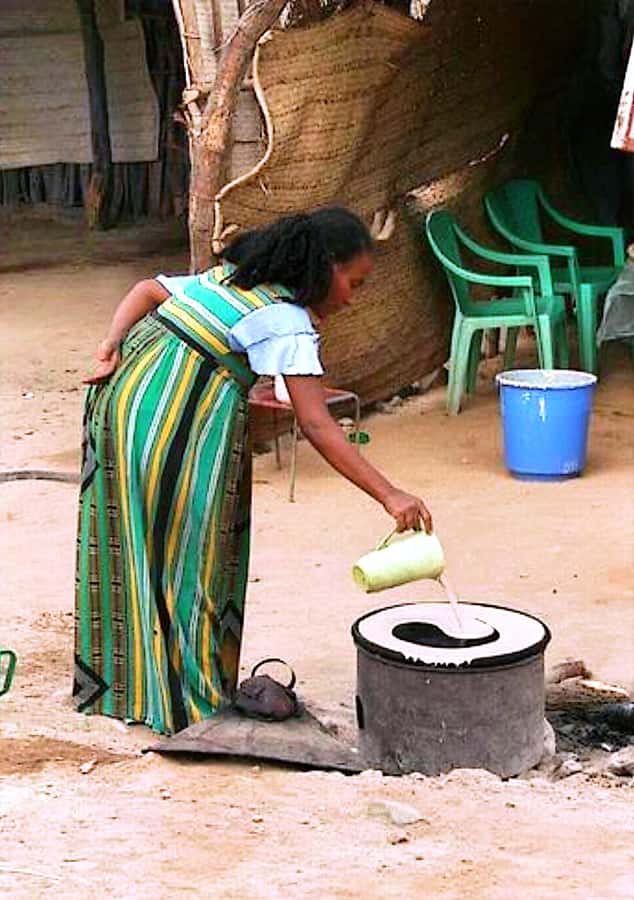
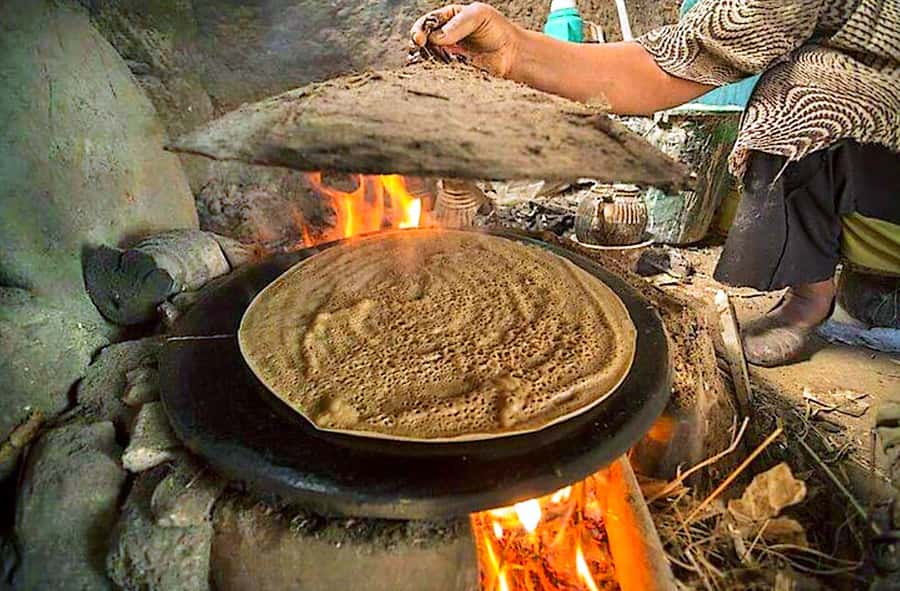
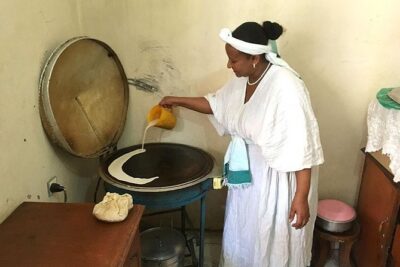
The main food lesson is injera, Ethiopia’s familiar staple food. It is a soft, foam-textured pancake with a slightly sour taste. The dough ferments for three days before cooking, which explains both its flavor and its distinctive texture.
The class covers three color varieties: white, brown, and red injera. The important practical point is that the process starts well before the day of your class. You will learn how injera is baked and get to try the cooking, but you will not be fermenting a fresh batch from scratch during the four-hour visit.
That makes the lesson useful in two ways. You learn the visible part of cooking injera, including how the batter becomes the finished pancake, and you also learn why home preparation requires planning. If injera is one of your favorite Ethiopian foods, this is the strongest reason to book.
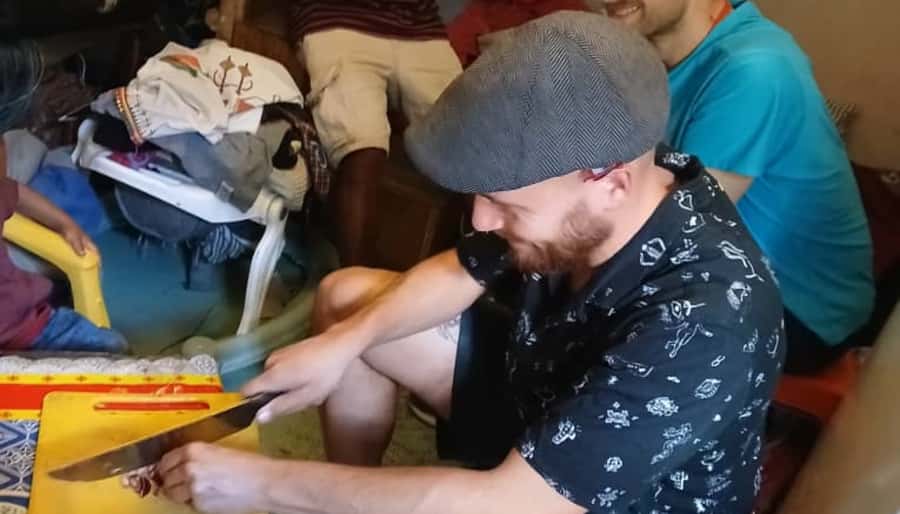
The home setting makes the lesson feel different from a restaurant demonstration. You are not simply watching a chef prepare a plate for you. Selam is described as letting participants do most of the cooking, with Abraham helping translate and explain. That hands-on role is valuable, but it also means the class may feel informal rather than carefully choreographed.
Expect a practical food lesson, not a professional culinary course. The supplied details do not specify a printed recipe, ingredient list, or equipment tutorial to take home. If you want exact quantities and a repeatable recipe, ask the guide whether written instructions are available.
Cooking shiro wot beside the injera
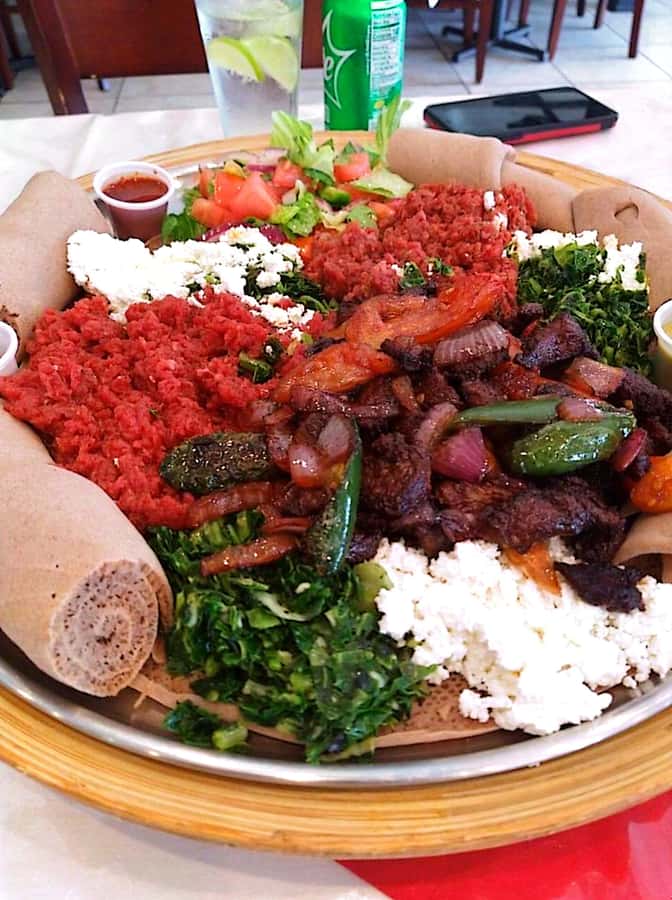
The second dish is shiro wot, also written as shiro wat or shiro woite in the tour information. It is a spicy purée made from chickpeas and served as a popular Ethiopian stew.
Cooking shiro alongside injera gives you a better sense of how Ethiopian meals work. Injera is not just a side dish. It forms the base and the eating utensil, while the stew provides the main flavor and substance. You will taste the meal you helped prepare, so the class connects preparation with the finished dish.
The description identifies the dish as spicy. If you have a low tolerance for heat, tell the guide before cooking so you can ask about the seasoning. The available details do not promise adaptations for allergies, vegetarian preferences, or other dietary needs, so you should ask about those before booking.
Lunch is included, and it consists of the food prepared during the class. This is one reason the price makes more sense for someone who wants a full local outing, rather than only a short instruction session. You are not paying for a lesson and then arranging another meal afterward.
More hands-on workshops in Addis Ababa:
- Addis Ababa City Tours With Cocking Class of Ethiopian Food
★ 5.0 · 20 reviews - Ethiopia coffee cupping class/Ethiopian food injera making
★ 5.0 · 10 reviews
Ethiopian coffee made with freshly roasted beans
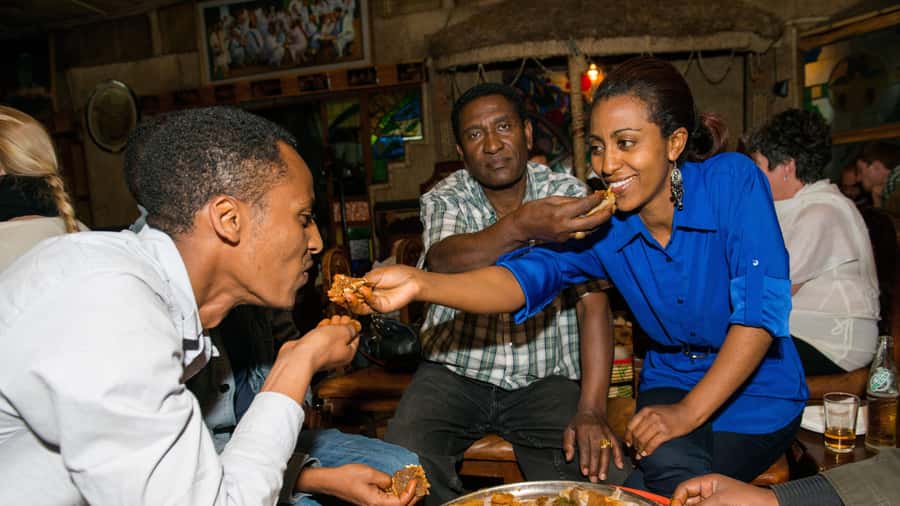
Coffee is the final part of the food experience. You make coffee with freshly roasted beans with help from your host, giving the class a clear ending after the injera and shiro wot are ready.
The coffee session is presented as a full Ethiopian coffee class, but the supplied information does not list every step or ceremony item. You should expect to learn the preparation process and take part with the host, rather than assume a formal performance with a fixed number of servings.
This part is especially useful for anyone interested in how food and hospitality fit together in Ethiopia. It also slows the pace after the cooking. You finish by sitting down and tasting what you have made, including the meal and coffee, rather than rushing straight back to your hotel.
What the home setting is really like
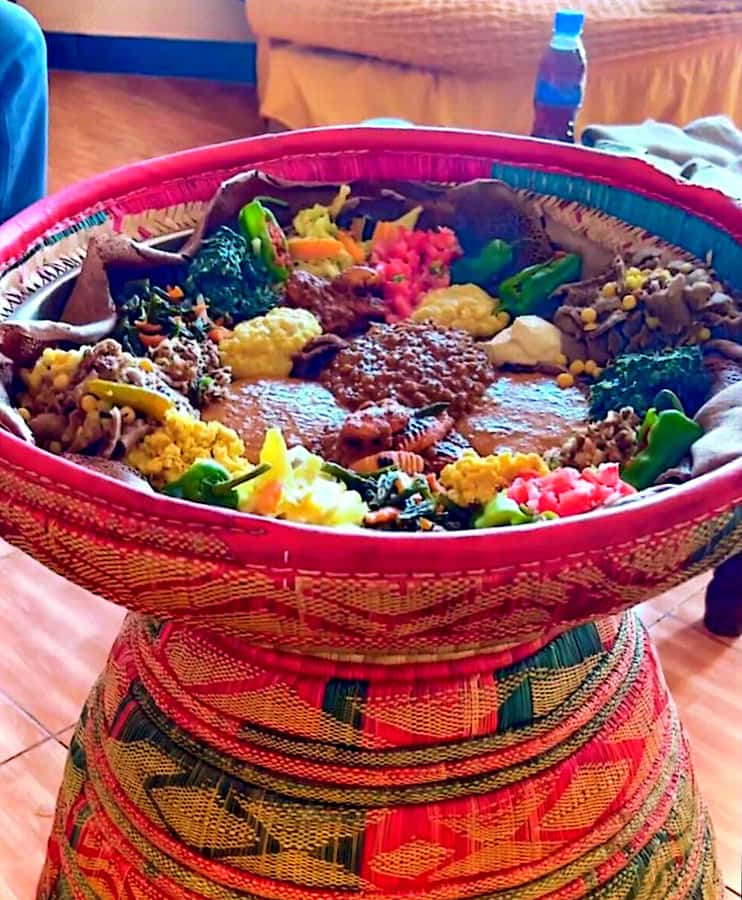
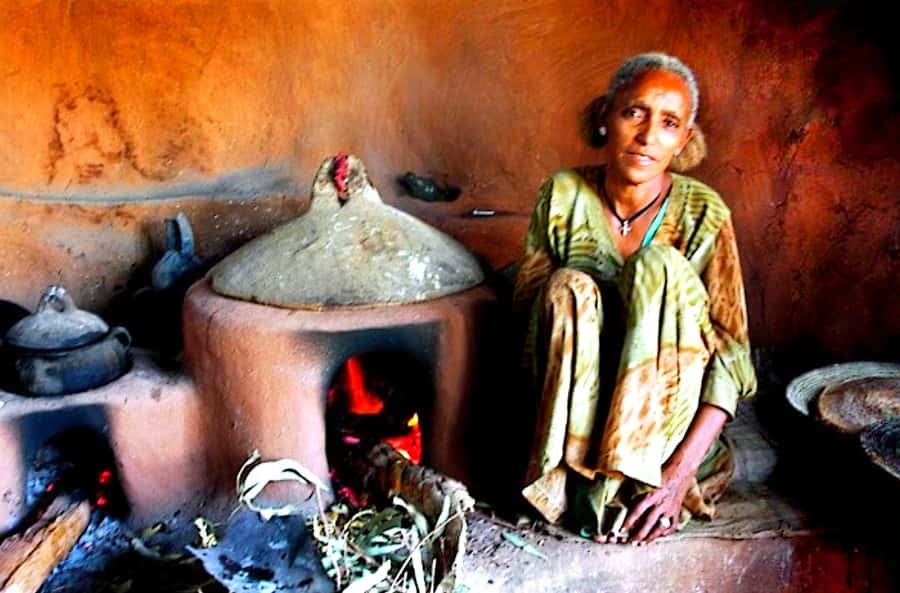
The cooking takes place in a local home kitchen. One detailed account describes a small home, a kitchen shared with neighbors, and dining in the family living room. That detail tells you what kind of experience to expect: close, modest, and personal rather than spacious or commercial.
A small shared kitchen can be an advantage because you see how cooking works in an ordinary setting. It can also mean limited room for movement and fewer polished facilities. If you need a highly accessible kitchen, a private dining room, or restaurant-style comfort, this may not be the right format.
The home visit also calls for basic courtesy. Wear comfortable clothing and shoes, listen to instructions, and treat the space as someone’s home rather than a staged attraction. Alcohol and drugs are not allowed.
Abraham is described as speaking good English and helping connect visitors with the household. English and French guiding are available. The host names provided are Abraham and Selam, while one account refers to Reta as the guide, so confirm the exact team before the day of the tour.
Is $90 a fair price?
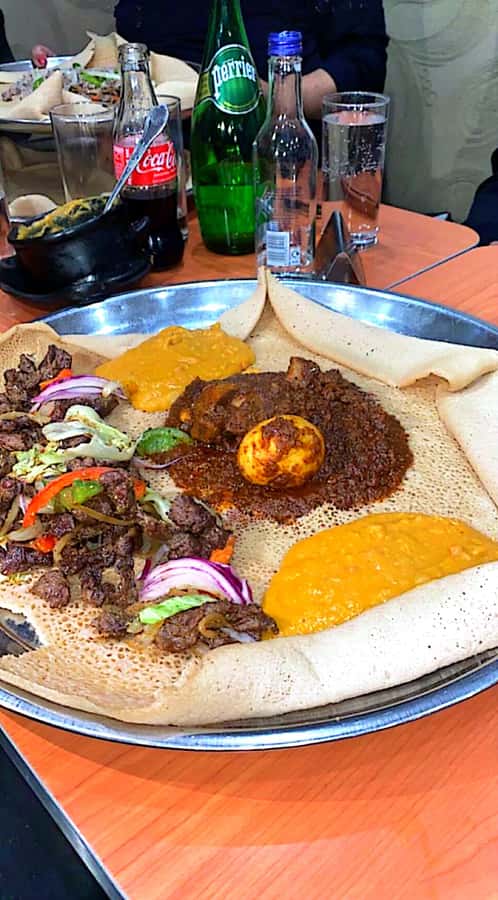
The cost is $90 per person. That is not a budget cooking class, particularly if you compare it with a lesson that includes only food preparation.
The value improves if you use several parts of the package. Airport or hotel pickup and drop-off, Shola Market, the National Museum entrance fee, lunch, the cooking lessons, coffee instruction, and a small group are all included. For a first visit to Addis Ababa, that combination can save you from arranging separate transport and deciding how to use a short window in the city.
The price is easiest to justify during a long layover or a short stay. You get a local meal, a museum visit, and a personal introduction to Ethiopian food in one half-day plan. It is less compelling if you are staying in Addis Ababa for several days and can arrange cheaper food activities or local transport yourself.
Gratuity is not included. Breakfast and dinner are also not included, so plan this as a lunch activity. Since the day begins with a pickup and ends with a drop-off, you do not need to arrange a separate meal around the class, but you should not expect the package to cover the rest of your day.
Timing, group size, and practical details
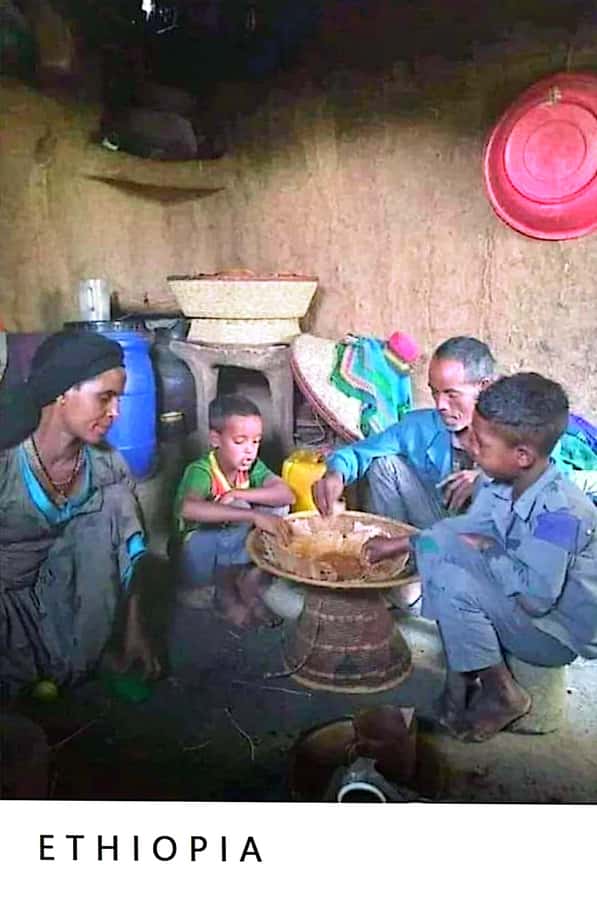
The experience lasts four hours. Starting times depend on availability, so check the schedule before booking. The small group limit is seven participants, which should allow more time for each person to try the cooking than a large demonstration group.
Pickup is available from the airport or your hotel. Airport pickup is particularly useful if you have an eleven-hour layover, as one booking account did. Still, you should check your flight schedule carefully and allow enough time to return to the airport. The tour information does not promise a specific airport security buffer or guarantee how long city traffic will take.
Free cancellation is available up to 24 hours in advance for a full refund. You can also reserve and pay later, which helps if your Addis Ababa plans are not final.
Comfortable shoes are the best choice because the day includes a market, city movement, and cooking. Warm clothing is advised, and a camera is welcome. The activity is not suitable for people over 95 years old, according to the stated restrictions.
Who will enjoy this Addis Ababa experience?
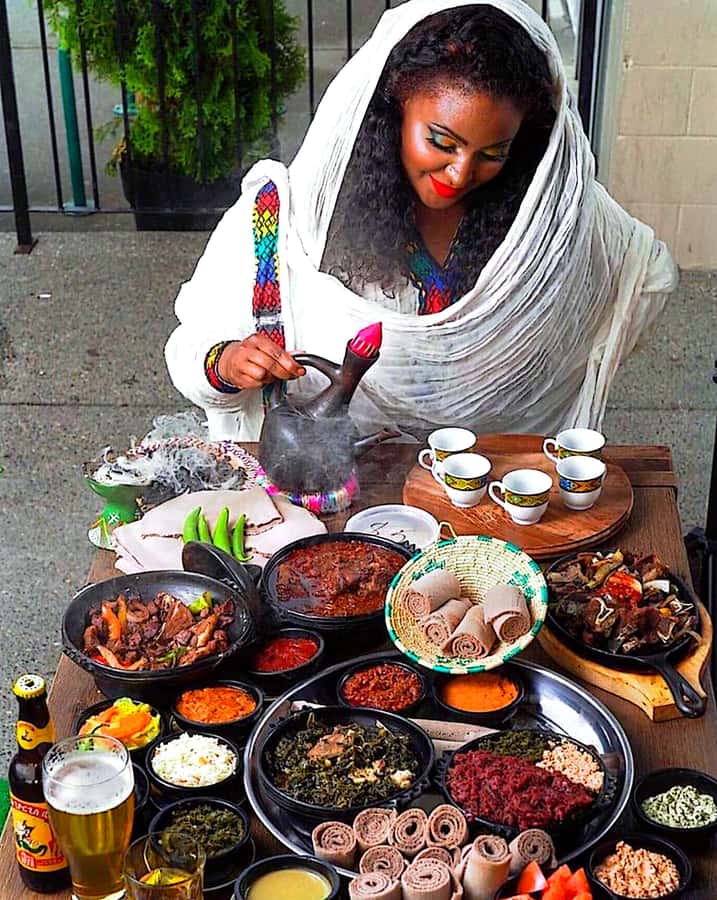
I would choose this for a first visit, a short stay, or a long layover when you want personal contact with local people rather than a standard city sightseeing drive. It is also a strong match if injera is already a favorite and you want to understand how it is made.
The home setting suits you if you enjoy informal meals, small spaces, and direct conversation. You should choose something else if you prefer a formal cooking school, guaranteed written recipes, or a class built around advanced technique.
Families and mixed groups should consider the four-hour length and the kitchen setting. The available information does not give a specific child policy, so ask before booking if you are traveling with children. The language options are English and French, and the group size is capped at seven.
The museum stop makes the program more useful for first-time visitors, while the airport pickup makes it practical for a quick visit. If you have already explored Shola Market and the National Museum, the cooking portion becomes the main reason to go.
Should you book it?
Book this experience if you want a personal introduction to Ethiopian food and home life in a short amount of time. The strongest parts are the hands-on injera lesson, the chance to cook shiro wot, the coffee preparation, and the meal shared in a local home.
I would be more cautious if the $90 price is your main concern. The cost is reasonable only when you make use of the included transport, museum entry, lunch, and city stops. Confirm the guide’s name, ask about dietary needs and written recipes, and plan around the four-hour schedule. For a layover or a first Addis Ababa visit, it offers a lot in one compact outing.
FAQ
How long does the Addis Ababa cooking class last?
The activity lasts four hours, including pickup, city stops, the cooking class, lunch, coffee preparation, and drop-off.
How much does the experience cost?
The price is $90 per person.
What food will I learn to cook?
You will learn to bake injera and cook shiro wot, a spicy purée made from chickpeas. You will also learn how to prepare Ethiopian coffee.
Is lunch included?
Yes. Lunch is included and features the food prepared during the class.
Is hotel or airport pickup available?
Yes. Pickup and drop-off are included from your hotel or Addis Ababa airport. Airport pickup uses a banner with your name so you can identify the guide.
What sightseeing stops are included?
The route includes Shola Market and the National Museum, where you can see the famous Lucy fossil.
What languages are available?
The activity is offered with English or French guiding.
How large is the group?
The group is limited to seven participants.
What is included and what is not included?
The price includes pickup and drop-off, lunch, the injera and shiro wot cooking classes, the Ethiopian coffee class, and entrance fees. Breakfast, dinner, and gratuity are not included.
Just added around Addis Ababa
- Best of Addis Privet Guided city Tour★ 5.0 · 6 reviews
- Debre Libanos Monastery & Scenic Portuguese Bridge Tour★ 5.0 · 4 reviews
- Day trip Adadi Mariam, Melka Kunture and Tiya stele★ 3.1 · 5 reviews
- Addis Ababa: Entoto hill and Mercato Market layover tour★ 5.0 · 5 reviews
- Addis Night Life yod Abissinia★ 3.8 · 4 reviews
- A perfect day trip to Lake wenchi from Addis Ababa★ 5.0 · 3 reviews
- Addis Ababa city tour from Bole airport and All Hotels★ 4.0 · 3 reviews
- Addis Ababa Essentials: Flexible Full-Day City Sightseeing★ 5.0 · 3 reviews
Workshops, compared.
Market Tour and Cooking Class with a Coffee Ceremony at a Home in Addis Ababa
Read our review →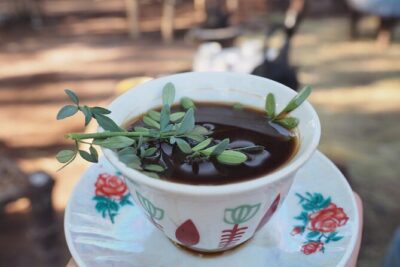
Addis Ababa City Tours With Cocking Class of Ethiopian Food
Read our review →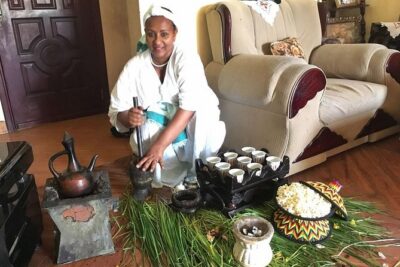
Ethiopian Cooking Class and Coffee Ceremony with a Local in Addis with transfers
Read our review →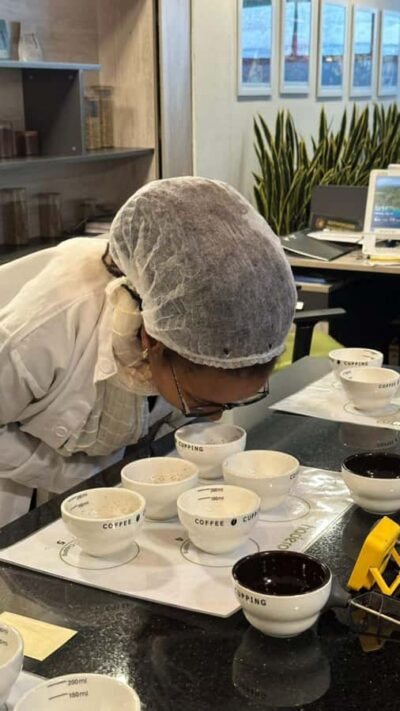
Ethiopia coffee cupping class/Ethiopian food injera making
Read our review →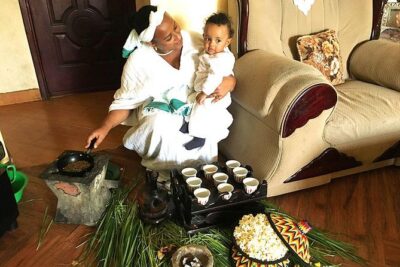
Unique Ethiopian Cooking Class and Coffee Ceremony with a Local in Addis Ababa
Read our review →Browse the lists this tour appears in