
Reviewed · COFFEE EXPERIENCES
Unique Ethiopian Cooking Class and Coffee Ceremony with a Local in Addis Ababa
The best part of this Addis Ababa food experience is that you cook in Daniel and Tigist’s home, not in a polished demonstration kitchen. Tigist teaches you to make injera and a traditional dish such as shiro or tibs, then the family hosts a proper Ethiopian coffee ceremony with beans roasted by hand. I like the warm, personal setting, and I like that the meal connects cooking with everyday family life.
The main thing to consider is the location and transport. The home is on the outskirts of Addis Ababa, and the meeting instructions have caused confusion for some visitors. You may need to arrange your own way there, and the class is best for people who value time with local hosts more than a slick, tightly timed culinary school.
Key points to know before booking
- Cook in a real Addis Ababa home: Daniel and Tigist host you in their clean, comfortable family kitchen.
- Learn the basics of injera: You will see how the fermented flatbread is poured and cooked, not simply eat it at the end.
- Make a second Ethiopian dish: The menu may include shiro, a chickpea or broad bean stew, or tibs, stir-fried meat with vegetables and spices.
- Roast coffee from raw beans: The coffee ceremony gives the meal a traditional finish and shows why coffee is such an important part of Ethiopian hospitality.
- Choose lunch or dinner: Evening and weekend visits may include time with the couple’s three sons.
- Plan transport carefully: Hotel pickup and drop-off are not included, and the meeting point should be confirmed before the day of the class.
A home kitchen instead of a tourist restaurant
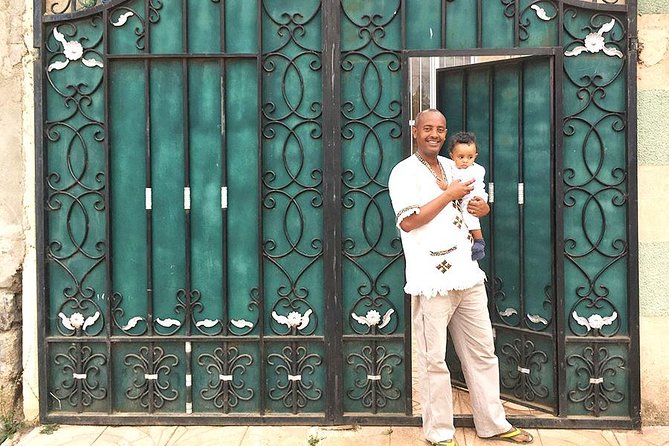
This three-hour activity gives you something a restaurant meal cannot: time inside a local home. Daniel and Tigist live in a calmer, greener neighborhood on the outskirts of Addis Ababa, away from the city center’s traffic and hotel district. Their house is described as comfortable and homey, with family photographs and the ordinary details of daily life.
That setting matters. You are not just watching someone prepare Ethiopian food for paying diners. You are stepping into the place where the food is normally made. The class is private, so only your group takes part, which makes it easier to ask questions, work at your own pace, and talk with Daniel and Tigist about their lives.
I would set your expectations correctly. This is not a commercial cooking school with printed stations, matching uniforms, or a professional demonstration kitchen. It is a visit with local cooks who share their home, food, and customs. For many people, that personal quality is the reason to book. If you prefer formal instruction and precise timing, the relaxed home format may feel less polished.
The setting can also make the visit feel more meaningful than a standard food tour. You see the family environment around the meal, and if you come on a weekend or in the evening, you may meet the couple’s three boys. That possibility depends on the timing, so it should not be treated as a guaranteed part of the program.
More Ethiopian coffee experiences in Addis Ababa:
- Ethiopian Culinary Tour – Market, Food, Coffee Ceremony & more
★ 5.0 · 65 reviews - Market Tour and Cooking Class with a Coffee Ceremony at a Home in Addis Ababa
★ 5.0 · 32 reviews - Vintage Coffee Shops, Restaurants, Sightseeing in Addis Ababa
★ 5.0 · 17 reviews
What happens during the two-hour cooking class
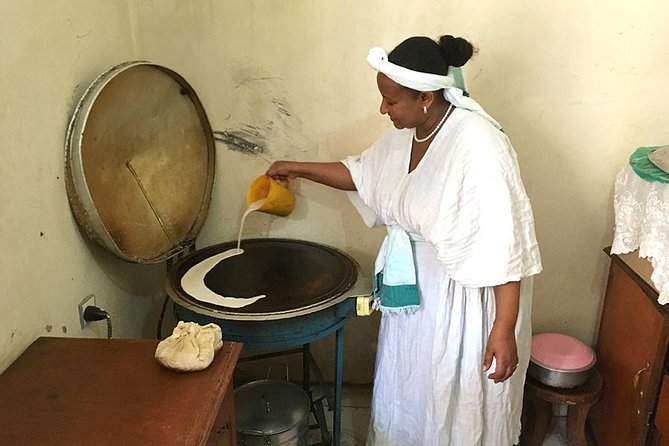
The hands-on cooking portion lasts about two hours. Tigist leads the kitchen work, showing you the steps rather than simply placing a finished plate in front of you. The central lesson is injera, Ethiopia’s famous fermented flatbread and the base for many shared meals.
Injera takes practice. You will learn how the batter is poured and how the flatbread is cooked, including the technique needed to produce the familiar spongy texture. You may not make a perfect injera on your first attempt, and that is part of the fun. The lesson gives you a better sense of the skill involved when you later eat injera at restaurants around Ethiopia.
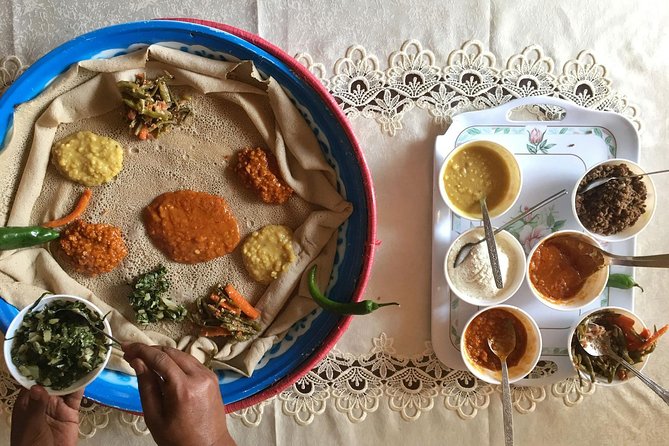
The second dish depends on the menu and season. You might prepare shiro, a smooth and hearty stew made with chickpea or broad bean flour, or tibs, meat stir-fried with vegetables and Ethiopian spices. The two dishes offer different views of Ethiopian home cooking. Shiro is a useful choice for vegetarians and has a comforting, stew-like texture. Tibs gives you a chance to work with meat, vegetables, and seasoning in a hotter pan.
Menu changes are normal. If you have allergies, dietary restrictions, or particular cooking interests, tell the host when you book. A vegetarian option is available, but it should be requested in advance. You can also ask to make an additional dish in the booking notes. That request extends the cooking time, so do not add it if your schedule is already tight.
The pace should feel social rather than rushed. You have time to watch, try the techniques yourself, and talk with the hosts. I would wear comfortable clothes that you do not mind wearing in a warm kitchen, though no special cooking equipment is listed as necessary.
Injera is the lesson that stays with you
Many Addis Ababa food tours let you eat injera. This one gives you a better understanding of how it reaches the table. The batter must be handled properly, and the flatbread needs to be poured and cooked with care. Even a short lesson shows why injera is not simply a substitute for bread.
The practical value continues after the tour. Once you know the basic process, you can look at an Ethiopian menu with more confidence. Injera is used to scoop up food, so the meal is both a dish and an eating tool. Cooking it yourself makes that custom easier to understand.
Do not expect to leave with a professional recipe book or a guaranteed formula that works in every kitchen. The information provided focuses on the cooking session itself, and the menu can vary. Your best takeaway is the method, the taste, and a clearer picture of how Ethiopian food is prepared at home.
Shiro, tibs, and the meal at the end
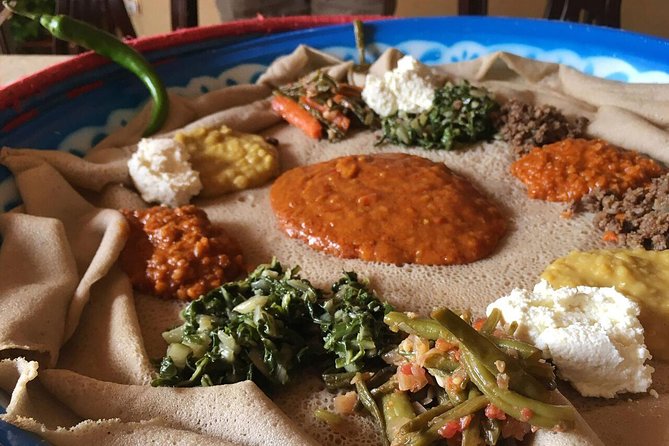
After the kitchen work, you eat what you have prepared with the hosts. That shared meal is a central part of the visit. It gives you a chance to taste the results while the cooking is still fresh in your mind.
If you make shiro, expect a dish built around a legume-based flour and seasoned for a hearty, smooth stew. If you make tibs, the cooking is more direct, with meat, vegetables, and spices prepared together in a pan. The exact menu depends on the season and availability, so you should think of these as likely examples rather than fixed promises.
The meal is included, along with beverages, taxes, handling charges, and gratuities. That makes the $116 price easier to assess. You are paying for a private class, food, drinks, host time, and a home visit, not just a plate of Ethiopian food. For one person, the price is high compared with an ordinary Addis Ababa meal. For a private cultural activity with a meal and personal instruction, it can be fair, especially if you are traveling as a small group and value direct contact with local residents.
Group discounts are available. Since the activity is private, the cost may make more sense when shared across several people. A family or group of friends can also benefit from the relaxed format, since everyone can take part in the cooking and sit down together afterward.
More cooking classes in Addis Ababa:
- Ethiopian Cooking Class and Coffee Ceremony with a Local in Addis with transfers
★ 5.0 · 14 reviews - Addis abeba Full Cooking class.
★ 5.0 · 6 reviews
Coffee roasted by hand, then served with care
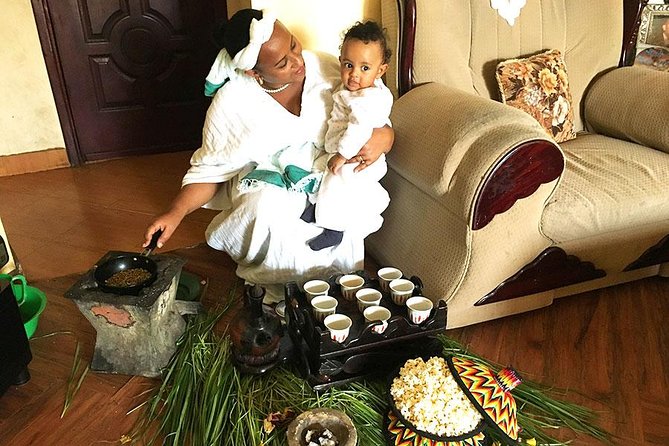
The coffee ceremony is the second major part of the visit. You will learn to roast coffee beans yourself, beginning with raw beans rather than using coffee that has already been prepared. That small detail makes the process more memorable and gives you a better sense of the work behind the final cup.
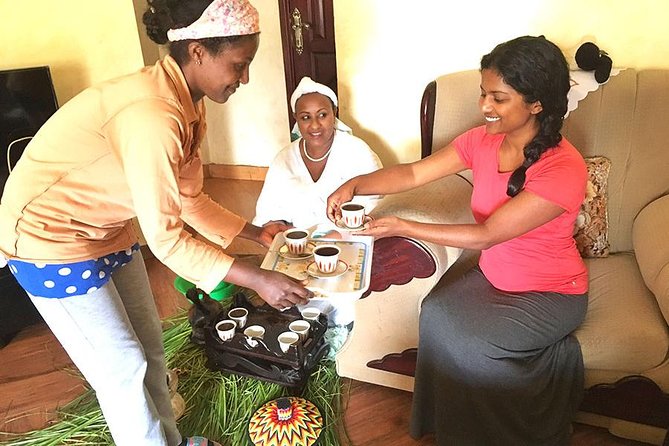
Ethiopian coffee is tied closely to hospitality and social time. Here, the ceremony follows the cooking and meal, giving the visit a natural rhythm: prepare food, eat together, then slow down over coffee. You are not simply being served a drink. You are seeing how coffee can form part of a welcome inside a family home.
The ceremony is especially worthwhile if you enjoy food traditions beyond recipes. It is one of the clearest ways this activity differs from a standard cooking lesson. You get both the practical kitchen work and a cultural custom that is often missed when you only order coffee at a café.
The description does not promise a set number of coffee servings or a precise ceremony length. Plan for it as an important closing part of the visit, not a separate, fully timed attraction.
The neighborhood and meeting point deserve attention
The home is outside central Addis Ababa, in an area described as quieter and greener. That can be a pleasant change from the central city, but it also means you should allow enough time for transport. Hotel pickup and drop-off are not included.
The stated meeting point is on an unnamed road in Addis Ababa, and the activity ends back there. Because the exact transport arrangements have not always been clear, confirm the meeting location and directions before the day of the class. One past arrangement involved a change from Japan Market to Asko Bus Station, with a long journey across the city. That is the sort of detail you want settled in advance, particularly if you are taking an evening tour or have a flight later that day.
Near the home, you may have access to public transportation. Still, the listing does not provide hotel transfers, and the meeting point may not be familiar to first-time visitors. Ask the host or provider to confirm the current pickup instructions rather than relying on an old itinerary or an assumed landmark.
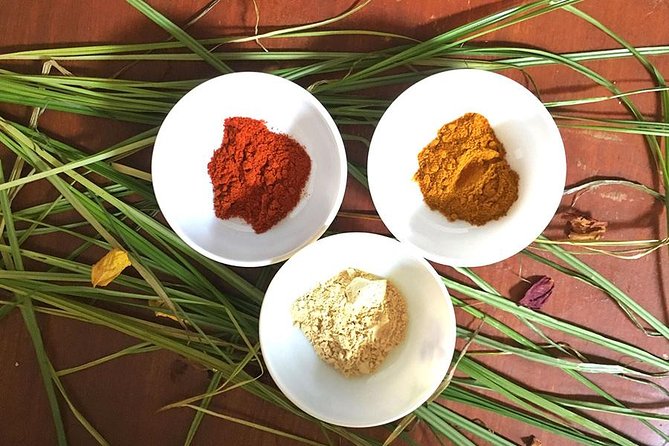
Some arrangements have included a stop at a local market with Daniel, where you can discuss herbs, spices, and ingredients before cooking. That sounds like a useful addition, but it should not be assumed as part of every booking. If the market visit matters to you, request confirmation when you reserve.
Lunch or dinner, and how to choose
You can choose a lunch or dinner time. A daytime visit is useful if you want to keep your evening free or are still getting used to Addis Ababa. It may also suit you if you want to combine the class with other sightseeing later in the day.
An evening visit has a more domestic feel, since the couple’s children may be home. That can make the visit feel even more like a family introduction, though it also means the setting may be livelier. Weekend timing can offer a similar chance to meet the family.
I would choose dinner if the meal and conversation are the main reason you are booking. Choose lunch if you need predictable evening transport or want to avoid crossing the city after dark. The experience lasts about three hours, so include travel time on both sides when planning your day.
Who will get the most from this private class
I would recommend this activity to you if you want:
- A personal introduction to Ethiopian food inside a real home
- Practical instruction rather than a restaurant demonstration
- A private setting for your own group
- An opportunity to make injera and learn about shiro or tibs
- A traditional coffee ceremony with beans roasted during the visit
- A slower cultural activity that includes conversation and a shared meal
Families and small groups should find the format comfortable. The private setup means you do not need to keep up with strangers or worry about a large class. It also gives you a better chance to ask about ingredients, cooking habits, and daily life in Addis Ababa.
I would hesitate if you have limited time and want an activity near the city center. The cooking itself takes around two hours, and the full visit runs about three hours before adding transport. I would also hesitate if your main goal is a tightly structured culinary course with exact recipes and professional equipment.
The experience is not designed around sightseeing landmarks. Its value comes from the home, the food, the conversation, and the coffee ritual. That distinction is important. You are booking a cultural visit with cooking, not a city tour that happens to include a meal.
Price, private value, and possible drawbacks
At $116 per person, this is not a budget meal. You could spend far less on Ethiopian food in Addis Ababa. The price makes more sense when you count the private instruction, host time, meal, beverages, coffee preparation, and access to a local family home.
The value improves for groups because discounts may be available. A group of friends or relatives can share the experience while dividing the cost of a private activity. If you are booking alone, you should decide how much you value personal contact and hands-on cooking before paying.
Communication and meeting arrangements are the main weak points to watch. The home location is away from the central tourist areas, and previous transport details have not always matched the original plan. Confirm the address, meeting point, and any market stop in writing.
You also need to provide useful information early. Vegetarian meals are possible, and allergies, dietary restrictions, and cooking preferences should be given at booking. The menu changes with the season, so do not book expecting one exact dish unless the host confirms it.
Cancellation is flexible only up to a point. You can receive a full refund if you cancel at least two full days before the local start time. Cancellations or changes made later are not accepted for a refund.
Should you book the Addis Ababa cooking class?
Book it if you want your food tour to feel like a personal introduction rather than a performance. Cooking injera with Tigist, preparing shiro or tibs, and roasting coffee with Daniel and the family gives you a strong connection to Ethiopian home life. The private format and shared meal are the main reasons to choose it.
Skip it if you want a central location, included hotel transfers, or a formal cooking school. The $116 price also requires a clear interest in food and culture. For me, the activity earns its place in an Addis Ababa itinerary because it offers something you cannot get from a restaurant menu alone, but I would confirm the meeting arrangements before paying and leave plenty of time for transport.
FAQ
How long does the cooking and coffee experience last?
The activity lasts approximately three hours. The cooking class itself takes about two hours, followed by the meal and coffee ceremony.
Where does the activity take place?
It takes place in Daniel and Tigist’s home on the outskirts of Addis Ababa. The stated meeting point is on an unnamed road in Addis Ababa, and the activity ends back at the meeting point.
Is hotel pickup and drop-off included?
No. Hotel pickup and drop-off are not included, so you must arrange your own transport to and from the meeting point.
What foods will I learn to cook?
You will learn to prepare injera and a traditional Ethiopian dish. Depending on the menu and season, the second dish may be shiro or tibs.
Is a vegetarian option available?
Yes. A vegetarian option is available, but you should request it when booking. You should also provide details of allergies and other dietary restrictions in advance.
Can I choose lunch or dinner?
Yes. You can choose a lunch or dinner experience to fit your schedule.
Can I request another dish?
Yes. You may request an additional dish in the booking notes. Making another dish will extend the cooking time.
More Hands-On Workshops in Addis Ababa
- Addis Ababa City Tours With Cocking Class of Ethiopian Food
★ 5.0 · 20 reviews - Ethiopia coffee cupping class/Ethiopian food injera making
★ 5.0 · 10 reviews
Just added around Addis Ababa
- Best of Addis Privet Guided city Tour★ 5.0 · 6 reviews
- Debre Libanos Monastery & Scenic Portuguese Bridge Tour★ 5.0 · 4 reviews
- Addis Ababa: Entoto hill and Mercato Market layover tour★ 5.0 · 5 reviews
- Addis Night Life yod Abissinia★ 3.8 · 4 reviews
- Day trip Adadi Mariam, Melka Kunture and Tiya stele★ 3.1 · 5 reviews
- Addis Ababa city tour from Bole airport and All Hotels★ 4.0 · 3 reviews
- Addis Ababa Essentials: Flexible Full-Day City Sightseeing★ 5.0 · 3 reviews
- A perfect day trip to Lake wenchi from Addis Ababa★ 5.0 · 3 reviews
Coffee Experiences, compared.
Ethiopian Culinary Tour – Market, Food, Coffee Ceremony & more
Read our review →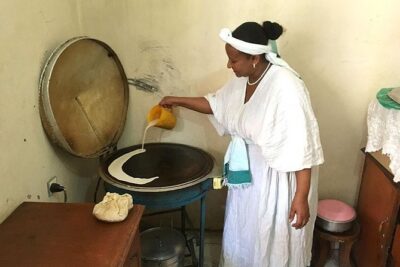
Market Tour and Cooking Class with a Coffee Ceremony at a Home in Addis Ababa
Read our review →
Vintage Coffee Shops, Restaurants, Sightseeing in Addis Ababa
Read our review →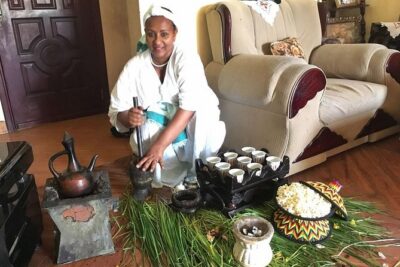
Ethiopian Cooking Class and Coffee Ceremony with a Local in Addis with transfers
Read our review →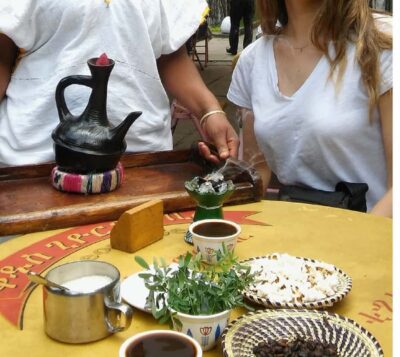
Ethiopian Culinary Tour – Market, Coffee Ceremony and More
Read our review →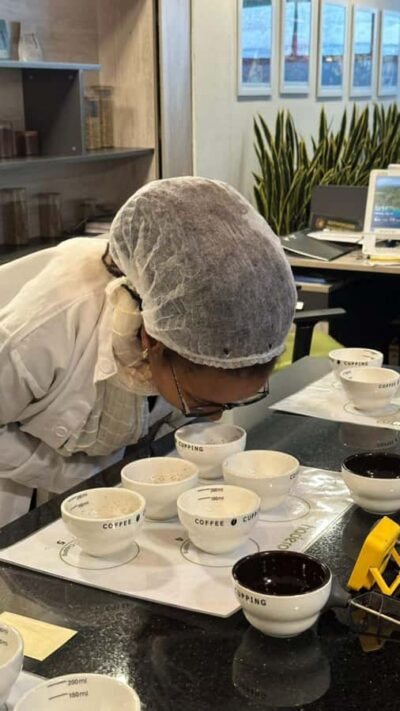
Ethiopia coffee cupping class/Ethiopian food injera making
Read our review →Browse the lists this tour appears in