
Reviewed · COOKING CLASSES
Private Ethiopian Home Cooking Class in Addis Ababa with Transfer
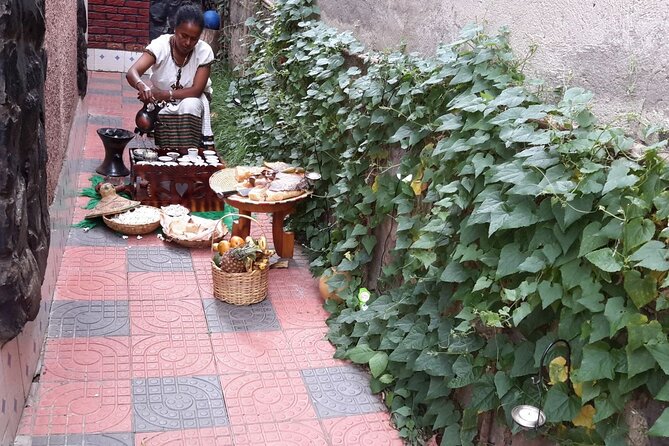
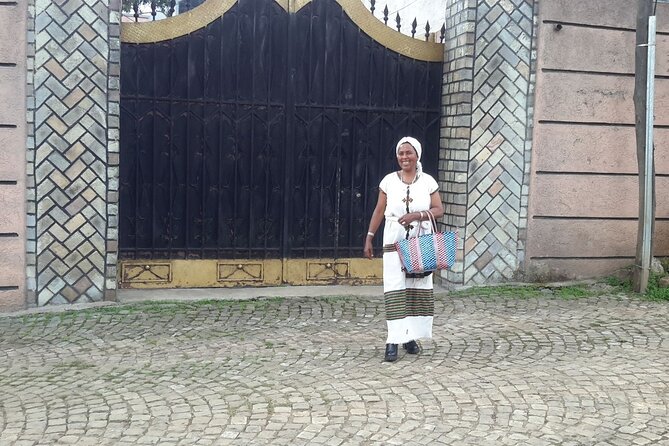
The best part of this Addis Ababa experience is the setting: you cook in Hilena’s family kitchen, not in a restaurant designed for visitors. Depending on the option you choose, you may first walk through the Sansusi neighborhood market, buy herbs or vegetables, and then carry them home for the meal.
I like two things right away. You learn how Ethiopian food is prepared, then sit down to eat it with the family. I also like the personal scale: this is a private activity for your group, even though Hilena runs a guest house where other people may be present. The main drawback is the distance. Her home is on the outskirts of Addis Ababa, about 20 kilometers from the airport, and Hilena’s limited English means her brother translates during the class.
Key points to know before booking
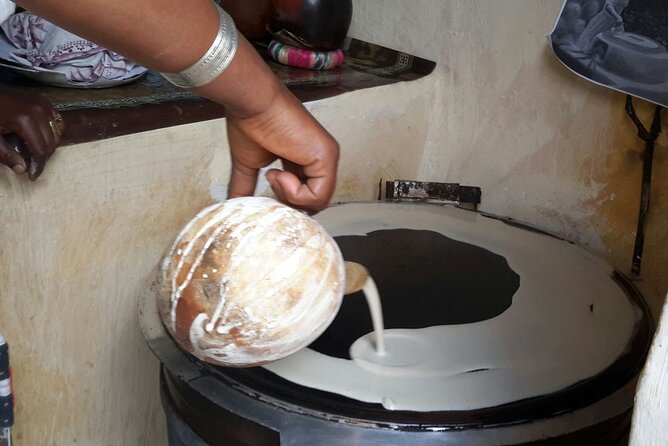
- Cook in a real home kitchen: Hilena teaches recipes passed down through her family.
- Add the Sansusi market walk: Shop for local vegetables, herbs, grains, fruit, and other goods before cooking.
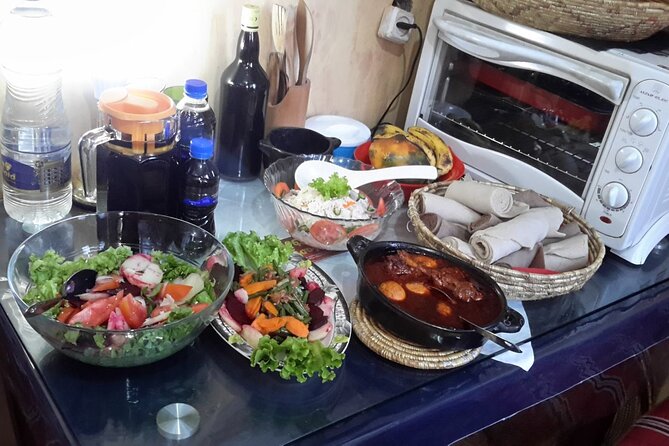
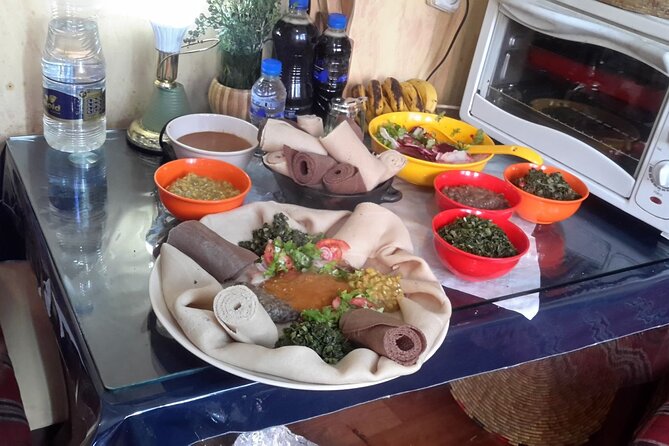
- Expect a full Ethiopian meal: The food can include Beyaynetu, Shiro, Genfo, and Anebabero.
- Plan for about three hours: The class, meal, and coffee make this a substantial half-day activity.
- Translation is part of the experience: Hilena’s brother helps communicate throughout the visit.
- The $124 price buys privacy and transport: Pickup is offered, and only your party takes part in the activity.
Why a home kitchen changes the experience
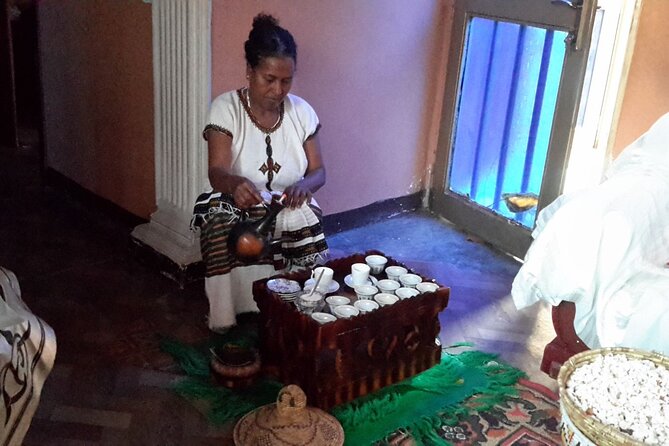
Cooking in a local home gives you a better sense of Ethiopian food than simply ordering a plate in a city restaurant. You see the preparation up close, ask questions while the food is being made, and learn how family recipes are handled in an everyday setting.
Hilena has been cooking since childhood, so the lesson is built around food she knows well. That matters. A cooking class led by someone who learned from family often gives you practical details that a standard demonstration can miss, such as how dishes are combined, how ingredients are adjusted, and how the final meal is served.
The class focuses on two traditional Ethiopian dishes. The exact menu can change with the season, and you should advise the provider about allergies, dietary restrictions, or cooking preferences when you book. A vegetarian option is available if you request it in advance.
You should also set your expectations for communication. Hilena is not very fluent in English, so her brother is present to translate. This may make the conversation less quick than a class led by a fluent English-speaking chef, but it also keeps the experience connected to the family who hosts it.
More Private Tours in Addis Ababa
- Full-Day Private City Tour of Addis Ababa
★ 5.0 · 147 reviews - Addis Ababa Authentic Private City Tour
★ 5.0 · 134 reviews - Full Day Private City Tour Of Addis Ababa
★ 5.0 · 36 reviews
Starting in Sansusi’s neighborhood market
If you select the market option, the visit begins at a local street-side market in Sansusi, a neighborhood on the outskirts of Addis Ababa. This is not a polished food hall. You might see stalls selling grains, vegetables, fruit, live chickens, sheep, and clothing.
That mix tells you something useful about local shopping. A market is not only a place to buy ingredients for dinner. It is also part of ordinary neighborhood life, with food, livestock, and household goods sharing the same space.
You can learn about produce grown locally and buy a few ingredients for the cooking class. The walk back to Hilena’s home gives the market visit a clear purpose. You are not simply looking at food. You are helping select some of what you will prepare.
The market option is best for you if you want context before the cooking begins. It adds another layer to the visit and helps you connect the dishes with the ingredients. The tradeoff is time and energy. The full experience may feel longer than a quick kitchen lesson, especially after the market walk and a large meal.
The market is also a place to use common sense. It includes live animals and everyday street commerce, so it may feel less controlled than a tourist market. That is part of its value, but you should choose the option knowing that this is a working neighborhood market rather than a staged cultural stop.
Preparing two Ethiopian dishes with Hilena
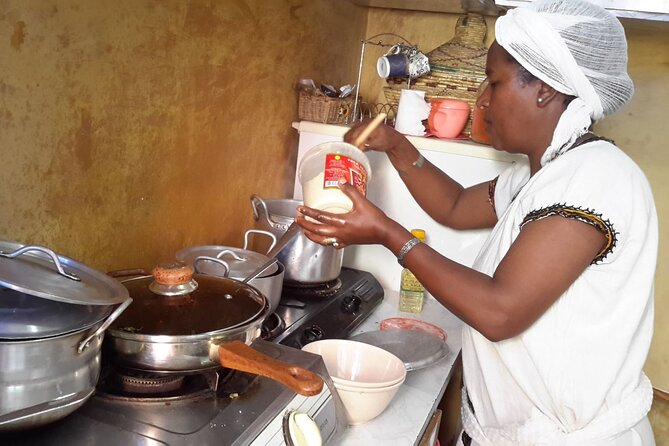
Back at the house, Hilena guides you through two Ethiopian dishes using her family recipes. The experience is hands-on rather than a simple meal demonstration, so you should expect to take part in the preparation.
The menu may vary according to the season. That is a practical detail, not a weakness. Ingredients available in Addis Ababa change, and a home cook is more likely to use what is fresh and on hand than to force a fixed restaurant menu.
The class also gives you a chance to understand the balance of an Ethiopian meal. You may encounter legumes, vegetables, grains, bread, and porridge in the same sitting. The food is not presented as a single main course with a few side dishes. It is a spread meant to be shared.
The two dishes you prepare are only part of the meal listed for the experience. The house-made food can include:
- Beyaynetu, a vegetable platter that gives you several flavors and textures in one meal.
- Shiro, a chickpea stew and a familiar Ethiopian comfort food.
- Genfo, a traditional porridge.
- Anebabero, Ethiopian bread.
This is a generous menu for a three-hour activity. One past participant described the course as long and filled with food, which is useful advice if you are planning several activities in the same day. Do not schedule this as a quick stop between a morning tour and a tight evening reservation.
The menu also makes the class a good choice for anyone curious about vegetarian Ethiopian food. You should still state your needs before arrival rather than assuming every dish will automatically suit your diet.
Sitting down to eat in the family home
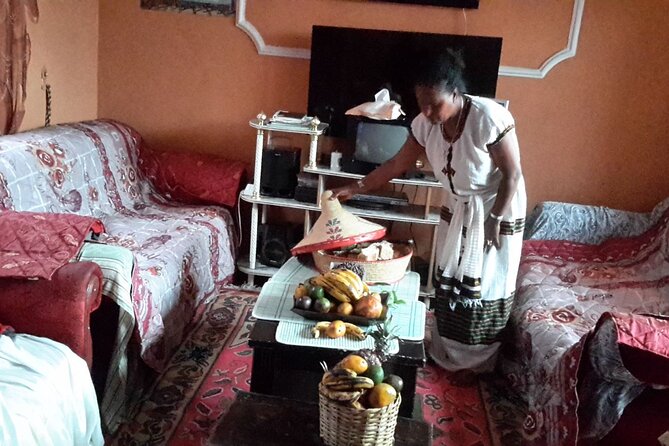
The meal is the point where the cooking lesson becomes a social visit. After preparing the dishes, you eat together in the home. That shared table is more personal than a restaurant meal, and it gives you time to talk with Hilena and her family through the translation help.
You may find other people at the property because Hilena also runs a guest house. Even so, your cooking class remains private, with only your own group taking part in the activity. This is a useful distinction. You are not booking an entirely empty house, but you are booking a private cooking experience rather than joining a large class.
The family welcome is one of the strongest reasons to choose this activity. The home setting makes the visit feel less like a performance and more like an invitation to learn how a family cooks and eats. If you prefer a polished kitchen studio, a fast lesson, or a strictly timed food tour, this may feel informal. If you like conversation and a slower meal, the setting should suit you well.
Plan to eat a substantial amount. The combination of a vegetable platter, Shiro, Genfo, bread, and other prepared food is more than a small tasting. I would treat the meal as lunch or dinner, not as a snack before your next restaurant booking.
More cooking classes in Addis Ababa:
- Market Tour and Cooking Class with a Coffee Ceremony at a Home in Addis Ababa
★ 5.0 · 32 reviews - Ethiopian Cooking Class and Coffee Ceremony with a Local in Addis with transfers
★ 5.0 · 14 reviews - Unique Ethiopian Cooking Class and Coffee Ceremony with a Local in Addis Ababa
★ 4.5 · 7 reviews - Addis abeba Full Cooking class.
★ 5.0 · 6 reviews
Ending with Ethiopian coffee
The experience ends with a cup of Ethiopian coffee. Coffee is an important part of daily life in Ethiopia, and finishing the visit this way gives the class a natural pause after the cooking and meal.
The coffee also helps the schedule feel complete. You arrive, shop if you choose that option, cook, eat, and then sit for a final drink. Instead of rushing out as soon as the food is served, you have a little time to stay with the family and let the visit wind down.
No separate coffee ceremony is promised, so you should not book this expecting a formal performance with a long series of steps. What you can count on from the information provided is a cup of Ethiopian coffee at the end of the experience.
What the $124 price includes in practical terms
At $124 per person, this is not a budget meal or a basic group cooking demonstration. The value comes from the combination of private instruction, food, a home visit, and transfer support.
Pickup is offered, which matters in Addis Ababa because Hilena’s home is about 20 kilometers from the airport and sits outside the central part of the city. A transfer can remove some of the uncertainty of reaching a residential address on the outskirts. Confirm the pickup details when booking, especially if you are arranging the experience around a flight or another appointment.
The price also covers a three-hour experience rather than only the time spent at a stove. You are paying for the setting, the instruction, the meal, and the chance to meet a local family. With a larger group, ask about group discounts, since they may improve the per-person value.
I would consider the price reasonable if you place a high value on personal contact and food education. It is less compelling if your main goal is simply to eat Ethiopian food cheaply. Addis Ababa has other ways to do that. This activity earns its price through the private format and the home setting.
Who should book this cooking class
I would recommend it most strongly to people who want a personal introduction to Addis Ababa through food. It works well for couples, families, and small private groups who enjoy cooking, eating slowly, and asking questions.
It is also a good fit if you want a cultural activity that does not feel like a standard sightseeing stop. The market option adds local shopping and a look at daily commerce. The home visit gives you contact with a family. Together, the two parts offer more than a recipe lesson.
Families with different food needs can also consider it, provided they explain allergies, dietary restrictions, and preferences in advance. Vegetarian food is available with prior notice.
You may want to skip it if you dislike informal home visits, need a highly fluent English-speaking instructor, or have a packed schedule. The translation through Hilena’s brother is helpful, but it can make the pace more measured. The distance from central Addis Ababa also means you should allow room around the three-hour experience for transfers.
Most people can participate, according to the activity information. Still, anyone with a serious allergy should communicate clearly before booking and confirm the arrangements directly.
Booking, timing, and cancellation advice
The experience is usually booked well ahead, around 33 days in advance on average. That suggests you should reserve before arriving in Addis Ababa, particularly if your dates are fixed.
You receive confirmation at the time of booking, and a mobile ticket is available. Pickup is offered, but the exact pickup arrangement should be checked before the day of the class.
The cancellation policy is fairly strict near the start time. You receive a full refund if you cancel at least two full days in advance. Cancellations or changes made within two days are not refunded or accepted, and the cut-off follows local time.
I would avoid placing this class on the same day as an important flight unless you leave a generous buffer. The home is outside the city center, and the visit includes cooking, eating, coffee, and possibly the market walk. It is a relaxed experience, not one to squeeze into a narrow gap.
Should you book Hilena’s home cooking class?
Book it if you want to meet a local family, cook traditional food, and eat a full Ethiopian meal in a private home. The Sansusi market option is especially worthwhile if you want to connect the ingredients with the neighborhood where people buy them.
The main points to weigh are distance, translation, and price. Hilena’s home is not central, her brother translates, and $124 is a meaningful cost for a three-hour activity. But you also receive pickup support, a private class, family recipes, a substantial meal, and Ethiopian coffee.
For a first visit to Addis Ababa, this is a strong choice for food-focused travelers who value personal contact more than polished presentation. If that sounds like your style, book ahead, disclose your dietary needs, and leave the afternoon open.
FAQ
How long does the Ethiopian cooking class last?
The experience lasts approximately three hours, including the cooking, meal, and coffee.
Where does the cooking class take place?
The class takes place in Hilena’s home kitchen in Sansusi, on the outskirts of Addis Ababa. Her home is about 20 kilometers from the airport.
Is transportation provided?
Pickup is offered. Check the pickup details when booking so you can coordinate the experience with your accommodation or flight plans.
Is the class private?
Yes. Only your group participates in the private cooking activity. Hilena runs a guest house, so other people may be present at the property.
What food will be prepared and served?
The meal can include Beyaynetu, Shiro, Genfo, and Anebabero. The menu may change with the season, and you can request a vegetarian option in advance.
Can I visit a market before the cooking class?
If you choose the market tour option, you visit the local Sansusi street-side market, learn about local produce, and may buy vegetables and herbs to use during the class.
More Hands-On Workshops in Addis Ababa
- Addis Ababa City Tours With Cocking Class of Ethiopian Food
★ 5.0 · 20 reviews - Ethiopia coffee cupping class/Ethiopian food injera making
★ 5.0 · 10 reviews - Latin Dance Class
★ 5.0 · 4 reviews
Just added around Addis Ababa
- A day trip to Wench crater Lake★ 5.0 · 4 reviews
- Day Trip to Tiya UNESCO Site & Melka Kunture Archaeological Site★ 4.5 · 3 reviews
- Perfect Escape from Busy Addis Ababa: Debre Libanos & Blue Nile Gorge excursions★ 5.0 · 6 reviews
- Local Ethiopian Food Tour★ 4.0 · 4 reviews
- Addis Ababa City Tour★ 4.5 · 3 reviews
- Local Ethiopian Food Tour★ 4.0 · 7 reviews
- Half day Addis Ababa Authentic city tour★ 5.0 · 5 reviews
- Airport Layover Tour | Half Day Addis City Tour : sightseeing, museum , markets★ 5.0 · 4 reviews
Cooking Classes, compared.
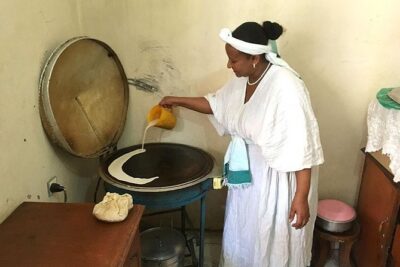
Market Tour and Cooking Class with a Coffee Ceremony at a Home in Addis Ababa
Read our review →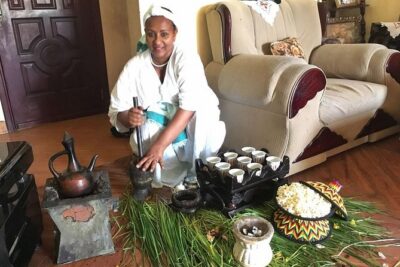
Ethiopian Cooking Class and Coffee Ceremony with a Local in Addis with transfers
Read our review →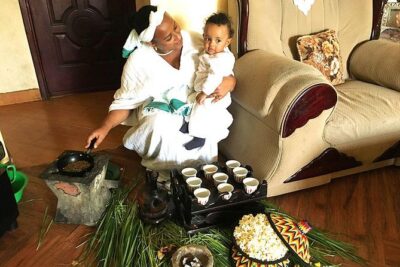
Unique Ethiopian Cooking Class and Coffee Ceremony with a Local in Addis Ababa
Read our review →
Browse the lists this tour appears in