
Reviewed · COFFEE EXPERIENCES
Ethiopian Culinary Tour – Market, Food, Coffee Ceremony & more
Addis Ababa’s food culture makes its best introduction at street level: baskets of produce, piles of spices, fresh injera, strong coffee, and honey wine. This tour connects those tastes to the people who make them, taking you from Atkilt Tera and Merkato to a family injera kitchen and a coffee ceremony in the hills outside the city.
I like two things especially. Making injera yourself turns a staple food into a real skill, and lunch at historic Taitu Hotel gives the day a comfortable sit-down center. I also like the flexible guiding style reported by guests who toured with Zerefa, Abiy, Samuel, and others. The main consideration is pace: markets, cooking, lunch, coffee, and Sululta make a busy 5 to 6 hours, and city traffic can affect the schedule.
Key points
- Hands-on injera making: Learn to prepare Ethiopia’s famous sourdough flatbread, then eat what you make.
- Two major markets: Explore Atkilt Tera’s produce stalls and the spice area of Merkato, Africa’s largest open-air market.
- Historic lunch stop: Sample assorted Ethiopian dishes at Taitu Hotel, regarded as Ethiopia’s oldest hotel.
- Two coffee experiences: Taste coffee at old Tomoca Cafe, then watch a full ceremony with live bean roasting in Sululta.
- Honey wine tasting: Try tej, Ethiopia’s traditional honey wine, after the coffee ceremony.
- Transport included: Pickup and drop-off are available around Addis Ababa, with a car, driver, fuel, and English-speaking guide.
A food-first way to understand Addis Ababa
Many city tours in Addis Ababa rely on monuments and museums. This one takes a different route. You see the city through its ingredients and daily routines, which is useful if you want more than a quick list of landmarks.
The day begins with pickup first thing in the morning. Transport is provided from a hotel, house, or airport location in Addis Ababa, although you should confirm the exact pickup point when booking. Edna Mall on Cameroon Street is listed as the meeting point, and the activity ends back at the meeting point if you do not arrange another pickup location.
Your guide and driver matter here. Addis traffic can be slow, and Merkato is not the sort of place I would recommend tackling alone if you are unfamiliar with the city. Guides such as Zerefa, Seya, Samuel, Emmanuel, Abiy, and Desale have received strong praise for their English, local knowledge, safety awareness, and willingness to adjust the day.
The tour normally runs for about five to six hours. It is described as a full-day culinary outing, but the actual duration is closer to a long half-day. That makes it useful for a free day between meetings or flights, though you should not plan another fixed appointment immediately afterward.
More Ethiopian coffee experiences in Addis Ababa:
Atkilt Tera and Merkato: Addis on a plate
The first market stop is Atkilt Tera, the city’s major produce market. Between Piassa and Merkato, it gives you a close look at the raw materials behind Ethiopian cooking. Expect fruit, vegetables, grains, and the movement of vendors and shoppers handling the day’s food supply.
This stop is valuable because it gives context to the meals that follow. You are not simply handed a plate of Ethiopian food with unfamiliar names. You begin to see where its basic ingredients come from and how central food buying is to everyday life in Addis Ababa.
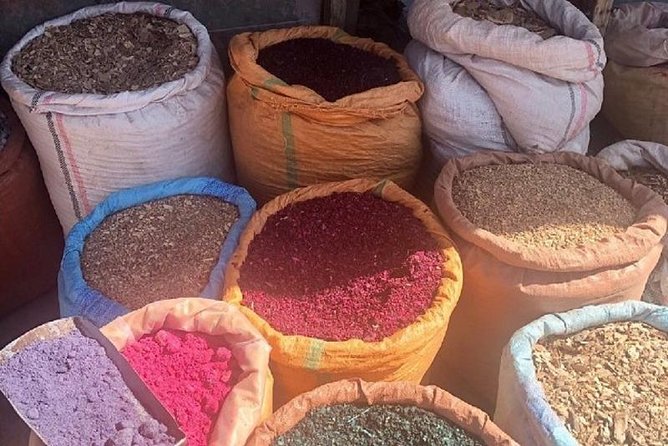
The tour then moves into Merkato, described as Africa’s largest open-air market. The planned focus is the spice market in the center of the district. Your guide can explain the different aromas, colors, and uses as you walk through one of Addis Ababa’s busiest commercial areas.
I would keep your belongings secure and stay close to your guide. The market can be crowded and confusing, but that is also why a local escort adds real value. One guide and driver were specifically praised for looking after a solo visitor in the crowded parts of Merkato. This is not a polished market built for sightseeing. It is a working place, and you should dress practically and expect uneven walking conditions.
Allow about an hour for the Merkato visit. If you enjoy photography, ask before taking pictures of people or vendors. If you want spices or other souvenirs, your guide may help you compare prices and choose sensible purchases. Desale was praised for helping a visitor find suitable souvenirs at a fair price, but you should still decide what you actually want before buying.
Tomoca Coffee and the craft of Ethiopian roasting
Tomoca Coffee adds a short but worthwhile stop to the morning. The cafe is described as Addis Ababa’s oldest Tomoca location, with more than half a century of coffee-making experience. You can order a cup of coffee or a macchiato, and you can buy roasted or ground coffee to take home.
This is not the same as the later coffee ceremony. Tomoca is a quick taste of finished coffee in a long-established cafe. Sululta offers the slower ritual of preparing the beans from the start. Having both in one day lets you compare the everyday cafe experience with the ceremonial one.
The stop lasts about 30 minutes, so it is not a long cafe break. If you are serious about coffee, ask your guide how the beans are prepared and what kind of coffee makes the best souvenir. Ground coffee is easier to use immediately, while whole roasted beans may travel better if you have access to a grinder.
Coffee is one of the strongest threads running through the day. Ethiopia is widely associated with coffee, and this tour treats it not just as a drink but as a social custom and a point of national pride.
Learning to make injera with local women
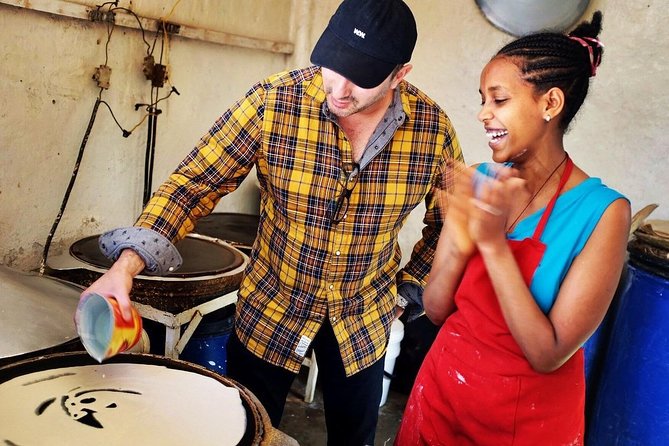
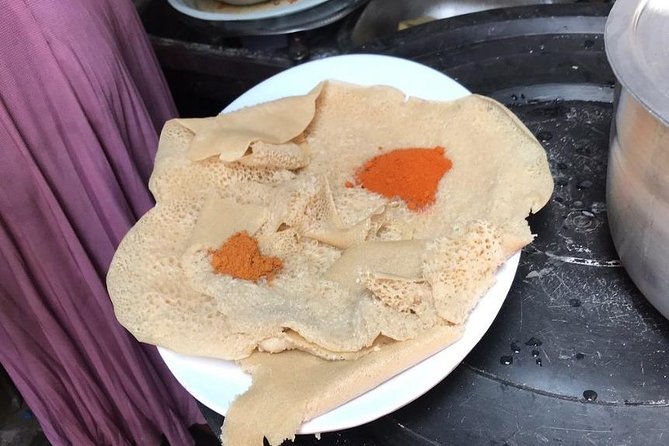
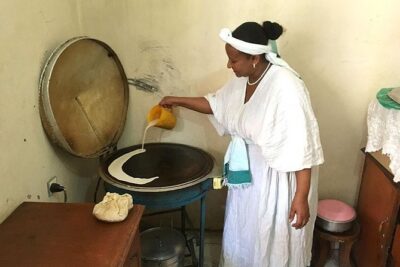
The injera lesson is the most hands-on part of the experience. You meet women who demonstrate the process of making Ethiopia’s traditional bread, then get a chance to try it yourself.
Injera is a soft, spongy flatbread with a slightly sour taste. It is used both as food and as a utensil, with stews, vegetables, and other dishes served on top. Making a good one takes practice. One guest described the attempt as hilariously bad, while still calling the activity enjoyable. That is the right attitude to bring: this is a chance to try a local skill, not a professional cooking exam.
The experience is valuable because it connects you to the texture and effort behind Ethiopian meals. You will likely understand the food better after handling the batter, watching the cooking process, and eating your own result.
The supplied information does not give a full lesson in preparing the stews and sauces served with injera. If you want more kitchen instruction, ask your guide if there is time to explain the herbs and spices used in the dishes. The focus here is the bread itself, not a complete Ethiopian cooking class.
More market walks in Addis Ababa:
- Addis Ababa +Mount Entoto View Point,Museums Palace Market Tours
★ 5.0 · 42 reviews - Go wheretheLocalsgo, Eatwhat thelocalseat!open Market&More Tours
★ 5.0 · 33 reviews - Addis Mercato Market
★ 5.0 · 22 reviews - Ethiopian Culinary Tour – Market, Coffee Ceremony and More
★ 5.0 · 10 reviews
Lunch at Taitu Hotel in Piassa
Lunch takes place at Taitu Hotel in Piassa, described as Ethiopia’s oldest hotel. The meal is served as an assortment of Ethiopian dishes in buffet form, with a bottle of water and hot drinks included.
This is a good point in the day for a proper meal after the markets and cooking session. You can sample several dishes rather than committing to one unfamiliar plate. Portions have been described as generous, and the meal is one of the stronger value points because it is part of the tour price.
Taitu Hotel also adds a sense of place. You are eating in a historic Addis establishment rather than stopping at an anonymous restaurant. The supplied details do not identify every dish on the buffet, so ask your guide to explain what you are trying. If you are new to Ethiopian food, start with small portions and return for more of the dishes you prefer.
After lunch, the route includes sightseeing in Piassa. This gives you a short city break before leaving Addis for the mountains. The schedule is active, so lunch is not likely to become a long, leisurely restaurant visit.
Sululta coffee ceremony and honey wine
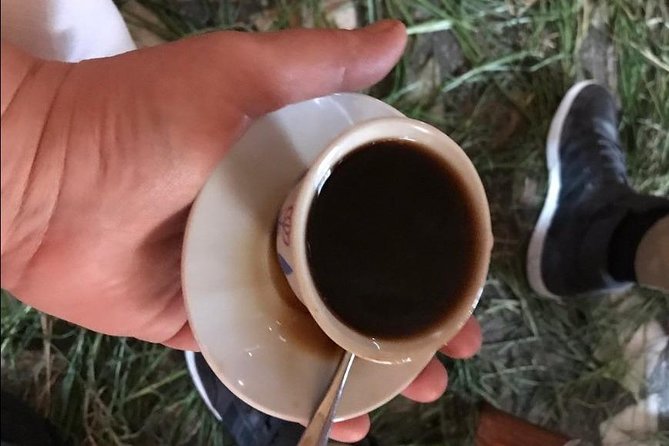
The final major stop is Sululta, a mountain town outside Addis Ababa. The drive changes the feel of the day, replacing the city’s crowded commercial districts with open views and cooler highland surroundings. The scenery is one of the reasons not to judge this tour as only a food outing.
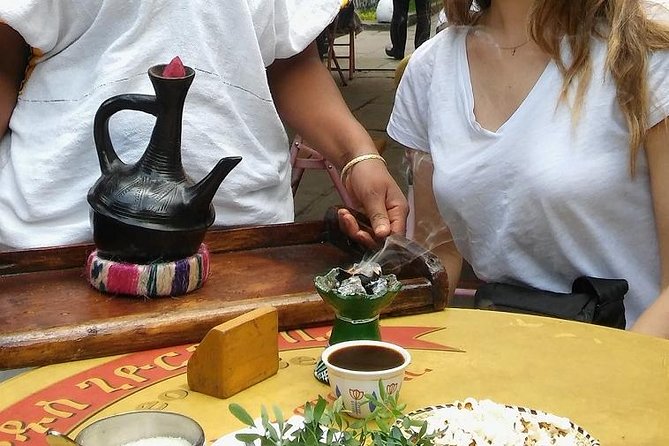
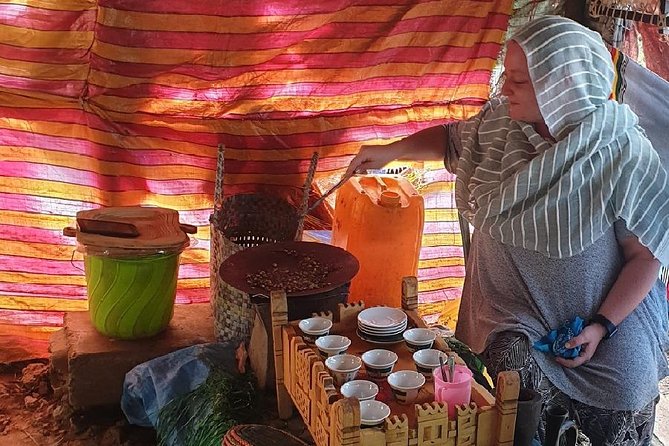
In Sululta, you watch a full Ethiopian coffee ceremony. The demonstration covers washing the beans, roasting them live, and preparing the coffee before you drink it. This is slower and more traditional than the Tomoca visit, and it shows how coffee can serve as a social ritual rather than a quick caffeine stop.
The ceremony is a highlight for many people, especially if you have never seen beans roasted and prepared in front of you. You may receive a strong, carefully prepared cup, so this is worth bearing in mind if you are sensitive to caffeine. The supplied details do not specify how many rounds of coffee are served, so ask your guide on the day.
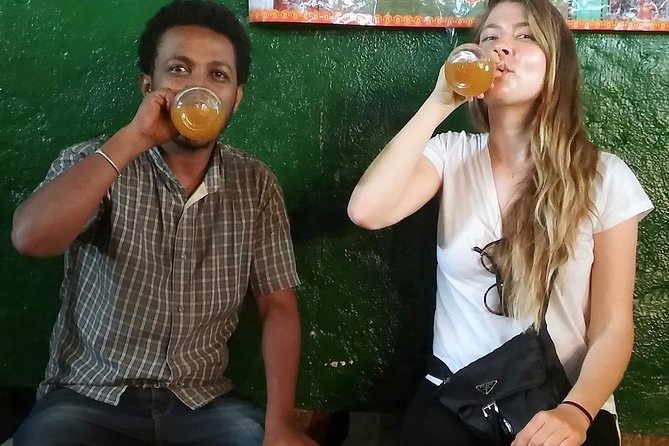
You also taste tej, Ethiopia’s honey wine. The drink is included, while other alcoholic drinks are not. Some people have also enjoyed learning about local vodka and beer, but those are not listed as included parts of the program. Treat tej as a tasting rather than a full drinking session, particularly because you still have a drive back to Addis Ababa.
The Sululta stop lasts about two hours. That makes it the longest single section of the tour and gives the coffee ceremony enough room to feel like a real cultural experience rather than a quick photo stop.
What the $85 price delivers

At $85 per person, this tour is not simply a market walk. The price includes pickup and drop-off in Addis Ababa, a private vehicle with driver and fuel, an English-speaking guide, local guides, lunch, bottled water, and hot drinks. Admission is also covered where a ticket is required.
I see the strongest value in the combination of transport and access. You visit places that would be difficult to connect efficiently on your own, including Merkato, Tomoca, Taitu Hotel, and Sululta. The tour also gives you a guide to explain what you are seeing and help you manage the market experience.
The value improves for solo visitors or small groups who want a full cultural day without arranging separate taxis, restaurants, and activities. Group discounts are available, though the maximum group size can reach 30 people. If you prefer a quiet, highly personal cooking lesson, ask about the group arrangement before booking.
The price does not cover extra alcoholic drinks, tips, or purchases such as coffee and market goods. Bring some spending money if you want souvenirs, but you do not need to budget separately for lunch, water, or the honey wine tasting.
Guide quality and flexibility
The most praised part of the experience is the guiding. Zerefa is repeatedly singled out for clear English, local knowledge, kindness, and flexibility. Seya received especially strong praise for explaining Ethiopian culture and history in detail. Samuel, Emmanuel, Abiy, and Desale were also praised for making the day friendly and useful.
Guide assignment can vary, so you should not assume a particular person will lead your tour unless the operator confirms it. Still, the range of positive comments points to an important feature: a good guide can reshape the day around your interests.
For example, one guide changed the plan when a visitor had already completed two of the listed stops. Another replaced a repeated stop with an art gallery. This kind of adjustment is particularly useful if you have already visited Addis Ababa or are staying for several days.
The guide also helps with cultural interpretation. Food names, market customs, coffee rituals, and local drinks can seem disconnected when experienced alone. With a guide, the day becomes a story about how Addis shops, eats, cooks, and socializes.
Who should book this Addis Ababa food tour?
I would recommend it to first-time visitors who have one free day and want a practical introduction to Addis Ababa. It is also a good match for people who prefer food, markets, and daily life to a standard museum-and-church route.
You should enjoy it if you like:
- Trying unfamiliar food in a guided setting
- Participating in a simple cooking activity
- Shopping for spices or coffee
- Busy markets and street-level city scenes
- Coffee traditions and local drinks
- Combining urban stops with a short trip into the hills
Families can participate from age eight, and most people can take part. Dress for changing weather because the tour operates in all conditions. Comfortable clothing and shoes will help in the markets and during the walking portions.
This may not be ideal if you want a slow, specialized cooking course. It is also not the best choice if you dislike crowds, busy market areas, or a tightly packed schedule. The day covers a lot, and traffic may make the timing less predictable.
Booking, pickup, and cancellation details
The tour can be booked with a mobile ticket, and confirmation is provided at booking. Pickup is offered from any location in Addis Ababa, including a hotel, house, or airport, but confirm the exact arrangement because Edna Mall is also listed as the meeting point.
The experience can operate with a multilingual guide, although an English-speaking guide is included. The maximum group size is 30 people, and group discounts may be available.
Free cancellation is allowed up to 24 hours before the start time for a full refund. Changes or cancellations made less than 24 hours before departure are not accepted for a refund. If poor weather causes the tour to be canceled, you will be offered another date or a full refund.
Should you book it?
Book this tour if you want Addis Ababa explained through food rather than only through monuments. The strongest reasons are the guided walk through Merkato, the chance to make and eat injera, the historic lunch at Taitu Hotel, and the full coffee ceremony in Sululta.
The main caution is pace. This is an active 5 to 6 hours with several stops, city traffic, market crowds, and a drive outside Addis. If that sounds like a good day, $85 is a fair price for the transport, meal, guide, cooking experience, coffee tastings, and honey wine.
If you have already seen Tomoca or Taitu Hotel, tell your guide in advance. The best version of this experience is a flexible one, and guides such as Zerefa have shown that the schedule can sometimes be adapted to avoid repetition.
FAQ
How long does the Ethiopian Culinary Tour last?
The tour lasts approximately 5 to 6 hours. It is described as a full-day experience, with morning pickup and a return to your Addis Ababa accommodation or the meeting point.
What food activities are included?
You visit produce and spice markets, learn to make injera with local women, and eat an assortment of Ethiopian dishes at Taitu Hotel. Lunch, bottled water, and hot drinks are included.
Is coffee included in the tour?
Yes. You taste coffee at Tomoca Coffee and take part in a traditional coffee ceremony in Sululta. The ceremony includes washing and roasting the beans before the coffee is served.
What is included in the honey wine tasting?
A tasting of Ethiopian honey wine, also called tej, is included during the Sululta coffee ceremony stop. Other alcoholic drinks are not included.
Where does the tour start?
Edna Mall on Cameroon Street in Addis Ababa is listed as the meeting point. Pickup is also offered from hotels, houses, and the airport within Addis Ababa, so confirm your specific pickup arrangement.
Can children join the tour?
The minimum age is eight years old. The activity information states that most people can participate.
What happens if I need to cancel?
You can receive a full refund if you cancel at least 24 hours before the local start time. Cancellations or changes made less than 24 hours before departure are not accepted for a refund. If poor weather cancels the tour, you can choose another date or receive a full refund.
More Food Tours in Addis Ababa
- Hidden Treasures of Addis Ababa – Food, Culture and History Tour
★ 5.0 · 57 reviews - Addis Ababa City Tours With Cocking Class of Ethiopian Food
★ 5.0 · 20 reviews - Ethiopia coffee cupping class/Ethiopian food injera making
★ 5.0 · 10 reviews
More Shopping Trips in Addis Ababa
- Addis Ababa: Entoto hill and Mercato Market layover tour
★ 5.0 · 5 reviews
Just added around Addis Ababa
- Debre Libanos Monastery & Scenic Portuguese Bridge Tour★ 5.0 · 4 reviews
- Best of Addis Privet Guided city Tour★ 5.0 · 6 reviews
- Addis Ababa: Entoto hill and Mercato Market layover tour★ 5.0 · 5 reviews
- Addis Night Life yod Abissinia★ 3.8 · 4 reviews
- Day trip Adadi Mariam, Melka Kunture and Tiya stele★ 3.1 · 5 reviews
- Addis Ababa city tour from Bole airport and All Hotels★ 4.0 · 3 reviews
- Addis Ababa Essentials: Flexible Full-Day City Sightseeing★ 5.0 · 3 reviews
- A perfect day trip to Lake wenchi from Addis Ababa★ 5.0 · 3 reviews
Coffee Experiences, compared.
Market Tour and Cooking Class with a Coffee Ceremony at a Home in Addis Ababa
Read our review →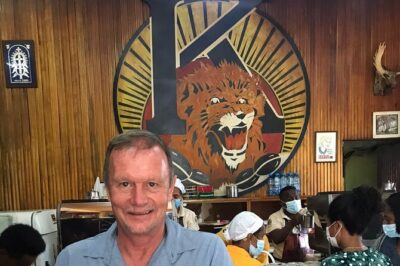
Vintage Coffee Shops, Restaurants, Sightseeing in Addis Ababa
Read our review →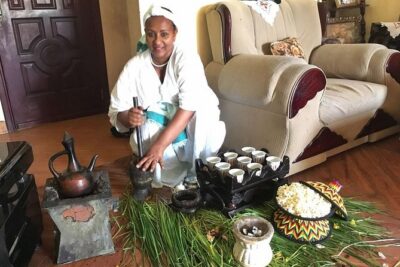
Ethiopian Cooking Class and Coffee Ceremony with a Local in Addis with transfers
Read our review →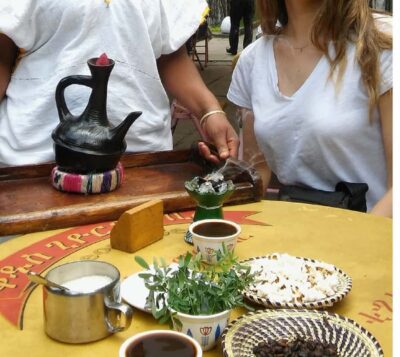
Ethiopian Culinary Tour – Market, Coffee Ceremony and More
Read our review →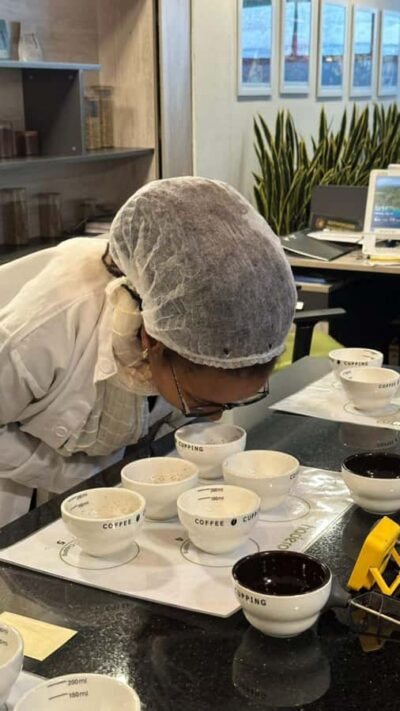
Ethiopia coffee cupping class/Ethiopian food injera making
Read our review →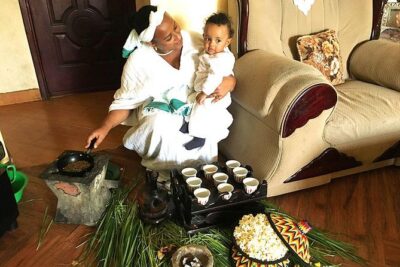
Unique Ethiopian Cooking Class and Coffee Ceremony with a Local in Addis Ababa
Read our review →Browse the lists this tour appears in