
Reviewed · OMO VALLEY TOURS
Photography Expeditions to Omo Valley
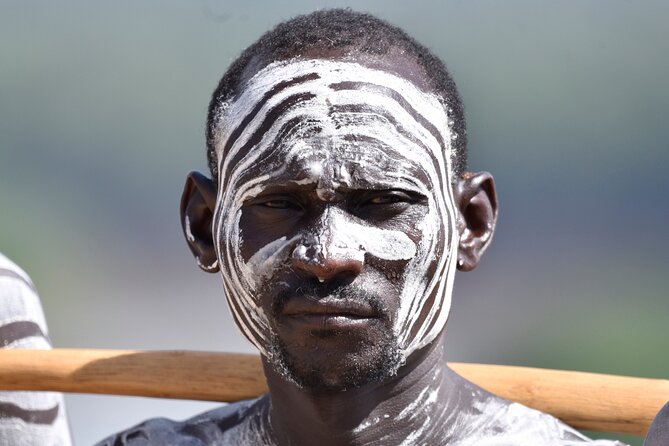
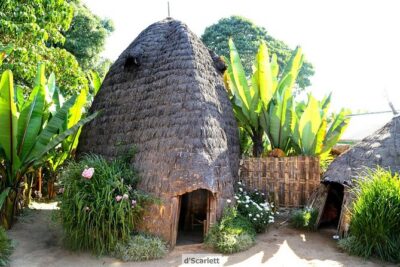
The most striking part of this six-day trip is the sheer variety packed into southern Ethiopia. In a relatively small area, you encounter communities with distinct languages, dress, body decoration, farming traditions, and ceremonial customs. Mursi lip plates, Karo body painting, Dassanech hairstyles, and Dorze beehive-shaped homes each tell a different story.
I especially like the private format for up to seven people, which keeps the group small enough for a photographer to work without a large crowd. I also like that the route includes more than portraits, adding Lake Chamo wildlife, the Dorze highlands, and time in Addis Ababa. The main drawback is the pace: long drives, early starts, domestic flights, and changing conditions make this a demanding trip rather than a relaxed holiday.
Key points to know before booking
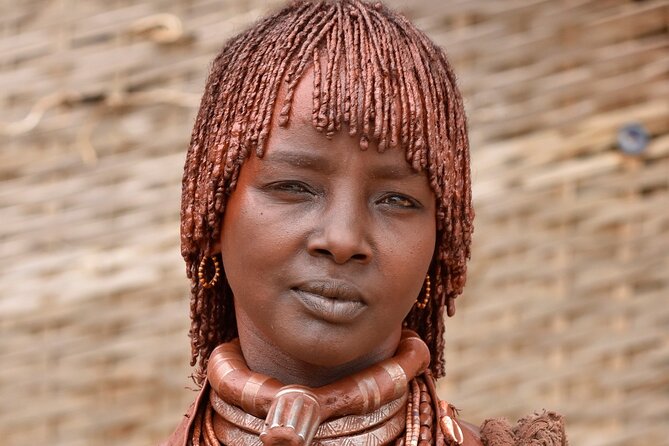
- Mursi, Hamer, Karo, and Dassanech communities: Each stop offers a different cultural focus, from lip plates and body paint to ornate hair buns and bull-jumping traditions.
- A private group of up to seven: You share the vehicle only with your own party, which matters when carrying camera equipment.
- Five nights of meals included: Breakfast, lunch, and dinner are provided for five days, along with village entrance and photography fees.
- Lake Chamo adds a wildlife day: A boat trip can bring you close to crocodiles, hippos, flamingos, herons, storks, kingfishers, and African fish eagles.
- The route is physically and logistically busy: Expect long road transfers, an early start for Mago National Park, and flights between Addis Ababa, Jinka, and Arba Minch.
- Cultural care matters: Photography is central to the trip, so follow your guide’s direction and treat each person and ceremony with respect.
Why the Omo Valley is such a powerful photography destination
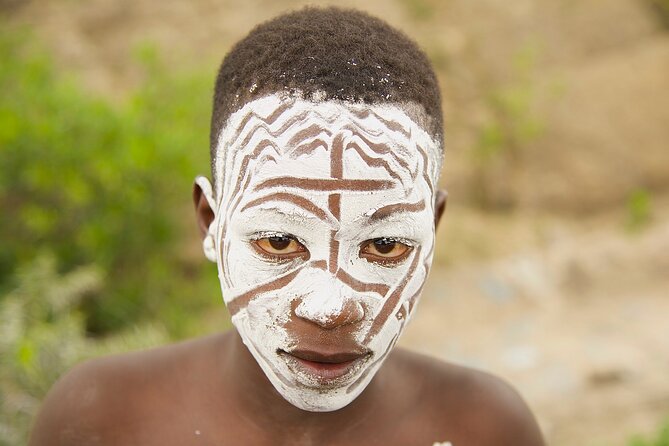
The Omo River Valley is known for its extraordinary cultural variety. At least 30 distinct ethnolinguistic groups live in the wider region, and many communities maintained traditions that changed little for generations. That isolation is now being tested by roads, tourism, modern communications, and outside economic pressure.
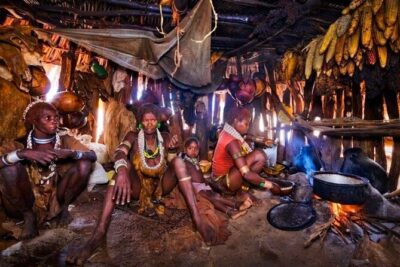
You will see visual details that are immediately striking: elaborate headdresses, clay and feather decorations, scarification, painted bodies, lip plates, and carefully arranged hair. But the best reason to take this trip is not simply to collect dramatic portraits. The region gives you a chance to see how clothing, adornment, farming, ceremony, and family life fit together.
Photography here also requires judgment. A powerful image is not automatically a good image. Ask your guide how to approach each person, listen before lifting your camera, and remember that you are photographing people who are living their daily lives, not actors placed for a scene. The included photography fee helps formalize access, but it does not replace courtesy.
More photography sessions in Addis Ababa:
- 9 days Omo Valley Tribes and Photography Tour
★ 5.0 · 4 reviews
Day 1: Addis Ababa, Jinka, and the Ari village
The journey begins with pickup in Bole, Addis Ababa. Before flying south, you may have time to visit the National Museum or Merkato, Addis Ababa’s open market. The schedule allows for a useful contrast: first, Ethiopia’s capital and commercial center, then the rural communities of the Omo region.
The flight takes you to Jinka. After meeting the driver at the airport, you continue to an Ari village. The Ari are one of the local communities around Jinka, and this first visit gives you an early introduction to village life before the more remote excursions begin.
The first day is not long on paper, but flights and transfers can make it feel full. Keep your camera equipment easy to reach, and avoid packing your essential gear in a bag that might be difficult to access during the transfer. The tour provides an air-conditioned vehicle, which is a welcome feature after time on the road.
Mulugeta is associated with the tour company and helped organize previous trips from the planning stage through departure. The driving team includes a guide and a person referred to as Captain in the tour material. Since the exact guide assigned to your departure may vary, confirm the names before you arrive.
Day 2: Mursi country and the road to Turmi
Day two begins early with a drive to Mago National Park and the Mursi highlands. The Mursi are widely known for the clay lip plates worn by some women. These plates are part of a complex tradition of identity and beauty, and they should not be treated as a curious prop for a photograph.
The Mursi visit is likely to be one of the most visually intense parts of the trip. You may photograph decorative details, clothing, and village life, but the quality of the experience will depend heavily on how your guide handles introductions and permissions. This is a good time to slow down and make sure you understand the photography arrangements before shooting.
After returning to Jinka for lunch, you continue toward Turmi through the Omo Valley. The route passes through Dimeka, with a possible stop at Alduba market. Markets are valuable because they show ordinary buying and selling rather than only ceremonial dress. The schedule does not guarantee how long you will have there, so think of it as a possible addition, not the main reason to book the day.
The day lasts about seven hours. That includes substantial driving, and the road conditions may affect the exact timing. You should expect a full day, not a string of short stops with long breaks between them. Turmi becomes your base for the next part of the journey.
Day 3: Karo body painting at Korcho
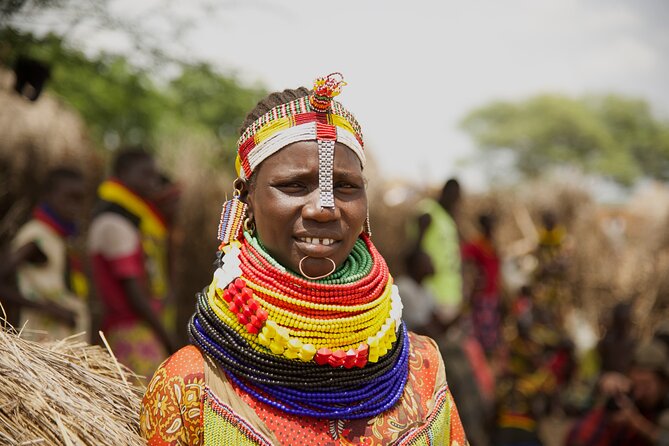
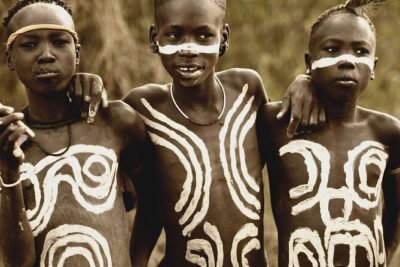
The drive to Karo-Korcho is shorter, listed at about four hours, leaving more room for the visit itself. The Karo are famous for body painting, using clay and vegetable pigments to create patterns on faces, chests, arms, and legs.
The designs are described as decorative rather than tied to one fixed symbolic meaning. That makes the visit especially interesting for photographers because you can focus on color, form, texture, gesture, and the interaction between the people being painted. Karo men may also shape and shave their hair into unusual forms, sometimes adding ochre and ostrich feathers.
Do not assume the most dramatic visual detail explains the whole community. Body paint may be made for pleasure, style, ceremony, or a particular occasion, and your guide is the right person to explain the setting. Ask questions before reducing the visit to a series of close-up portraits.
After returning to Turmi, you may have a chance to photograph a bull-jumping rehearsal or ceremony. The wording matters here: this opportunity is possible, not guaranteed. If it takes place, it could be one of the most memorable cultural moments of the trip, but timing and local circumstances control access.
A few more Addis Ababa trips worth weighing up
- 6 Days Omo Valley Tribes Tours From Addis Ababa
★ 5.0 · 33 reviews - 3 Days Omo Valley Tour
★ 5.0 · 24 reviews - 5 Days Omo Valley Tours
★ 5.0 · 15 reviews - 6 Days Lalibela, Omo Valley and Harar
★ 5.0 · 15 reviews
Day 4: Crossing the Omo River to Dassanech villages
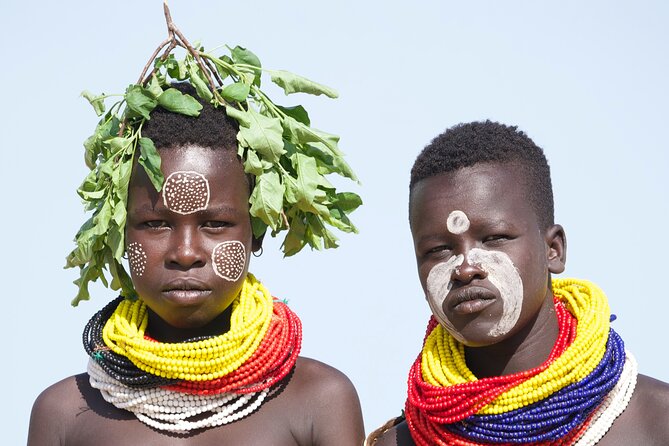
Day four starts early again. You drive to the edge of the Omo River and cross by canoe to reach a Dassanech village. The Dassanech are semi-nomadic, with clans extending across southern Ethiopia, Kenya, and Sudan. Their ornate hair buns are one of the details photographers often notice first.
This stop changes the rhythm of the trip. Instead of focusing on a national park or a market, you cross a major river and enter a community whose social connections extend across modern national borders. That geographic setting helps explain why the Omo Valley cannot be understood from a single town or ethnic label.
The visit and return drive take about four hours, after which you go back to Turmi. The afternoon may be used for rest or for photographing around town. This pause is useful. By this point, you have had early starts, long drives, and several intense encounters. A quieter afternoon can give you time to back up photographs, recharge batteries, and sort equipment.
The canoe crossing is part of the appeal, but it also means the day is shaped by local conditions. Keep cameras protected when moving near the river, and follow instructions from the driving and guiding team.
Day 5: From Turmi to Arba Minch and Lake Chamo
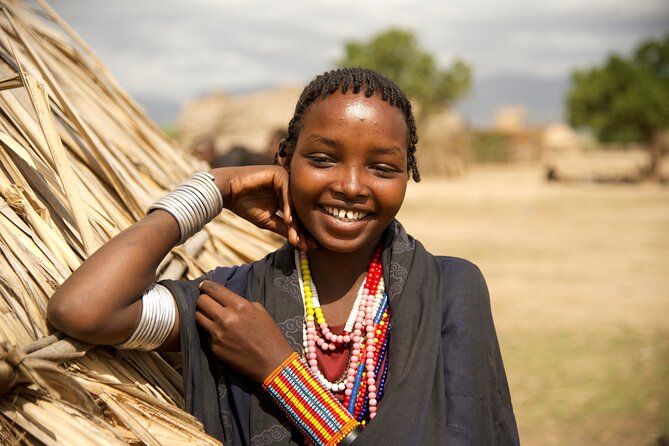
The route now shifts from cultural photography to wildlife. You drive to Arba Minch, then take a boat on Lake Chamo after 3 p.m. The lake is known for large crocodiles, hippos, and a wide selection of water birds.
For a photographer, the boat trip offers a different kind of challenge. Crocodiles may be lounging along the northern shore, while hippos and birds require attention to distance, timing, and light. Species listed for the trip include African fish eagles, flamingos, herons, storks, and kingfishers.
This is a useful change after several days of portraits and village visits. You can work on wildlife framing and patience instead of concentrating on facial detail and cultural decoration. The boat trip is also a strong reason to bring more than one lens if your luggage allows, though the tour information does not specify what camera equipment is provided.
The drive to Arba Minch makes this another substantial transport day. You should not expect a slow morning followed by a short afternoon cruise. The road transfer is part of the day, and the boat outing is scheduled later in the afternoon.
Day 6: Dorze and Chencha in the Guge Mountains
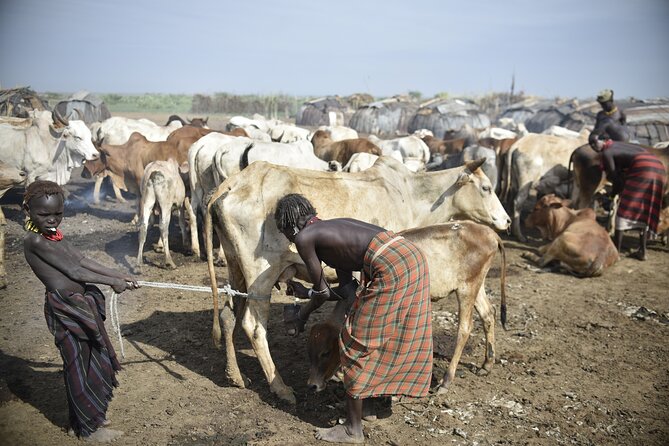
The final morning takes you about 40 kilometers northwest of Arba Minch to the Guge Mountains. Here you visit Dorze and Chencha villages. The Dorze were once known as warriors and now earn a living through farming and weaving.
Dorze textile work is a major point of interest. The community is associated with finely woven cotton cloth, so this visit broadens the trip beyond portraits and body decoration. You also see the famous Dorze houses, built in a beehive shape from organic materials and surrounded by small gardens containing spices, cabbage, and tobacco.
These homes are more than a visual curiosity. Their construction shows how local building methods respond to available materials and daily needs. Look at the relationship between the house, garden, crops, and surrounding slopes rather than photographing the structure in isolation.
After lunch, you transfer to Arba Minch Airport and fly back to Addis Ababa. Arrival is expected in the late afternoon, followed by a transfer to a hotel with a day-use room for washing and changing. That final room is a practical touch after several days on dusty roads and before onward travel, though you should confirm the exact hotel arrangement and domestic flight details when booking.
What the price covers, and what it does not
The listed cost is $3,312.83 per group of up to seven people. At full capacity, that works out to about $473 per person before personal spending, tips, alcohol, visa costs, and international flights.
That is a useful price for a private expedition if you can fill the vehicle. The value comes from the small group, local transport, village access, photography fees, meals, and the number of regions covered in six days. If only one or two people book, the per-person cost becomes much higher, so the group limit matters.
Included items are an air-conditioned vehicle, village entrance fees, photography fees, five breakfasts, five lunches, and five dinners. The program also includes domestic flights in its route, but the supplied inclusions do not clearly state whether those airfares are included in the listed price. Confirm this before paying.
Visa fees, international flights, personal expenses, tips, and alcohol are not included. Since the route has several transfers, you should also ask exactly which airport transfers, hotel nights, and day-use arrangements are covered.
Who will get the most from this trip
I would recommend this experience to photographers who want a focused route through southern Ethiopia and prefer a private group over a large coach. It also suits people who care about culture but want wildlife, markets, river travel, and mountain villages included in the same trip.
You should be comfortable with early mornings, long road journeys, changing schedules, and limited control over how long each cultural encounter lasts. This is not the best choice if you want a resort-style break or a slow trip with several free days.
The tour also suits small groups of friends or family members who can share the fixed cost. A group of up to seven gives you room to split the price while keeping the vehicle more personal than a mass tour.
Practical advice for making good photographs
Bring spare batteries and memory cards, since the schedule moves between remote villages, roads, and outdoor stops. The supplied information does not specify charging facilities, so plan for periods when power may not be convenient.
Use the guide as your bridge into each community. Before taking close portraits, ask how permission works and what the photography fee covers. A person in traditional dress is still a person first, and respectful behavior will produce better encounters as well as better pictures.
Pack for both portrait and wildlife work. You will want flexibility for faces, painted bodies, textiles, houses, crocodiles, hippos, and birds. Protect equipment during the canoe crossing and keep essentials accessible during airport and road transfers.
The route is packed, so leave room for missed shots. You cannot photograph every market, ceremony, or person. Selective attention is better than spending every stop hurriedly firing the shutter.
Booking, cancellation, and final decision
Confirmation is provided at booking, and most people can take part. The activity is private for your own group, with pickup offered from Bole in Addis Ababa and the return point at the same meeting area.
Free cancellation is available if you cancel at least 24 hours before the scheduled start time. Changes or cancellations inside that window are not accepted for a refund. The minimum group requirement also matters: if the operator cancels because it is not met, you are offered another option or a full refund.
Should you book Photography Expeditions to Omo Valley?
Book it if you want a serious, visually varied introduction to southern Ethiopia and you value local coordination more than a leisurely pace. The strongest reasons are the private group size, the range of communities, the added Lake Chamo wildlife trip, and the support of an operator experienced in photography planning.
Think twice if you dislike long drives, early departures, uncertain ceremony timing, or the ethical questions that come with photographing traditional communities. For the right person, this is not simply a portrait tour. It is a demanding route through a region changing quickly, with enough cultural and natural variety to justify the effort.
FAQ
How long is the Photography Expeditions to Omo Valley experience?
The experience lasts approximately six days, beginning and ending in Addis Ababa.
Where does the tour start and end?
Pickup is offered in Bole, Addis Ababa. The activity ends back at the meeting point after returning to Addis Ababa.
How many people can join the private tour?
The price covers one private group of up to seven people. Only your group participates in the activity.
Are meals included?
Yes. Breakfast, lunch, and dinner are included for five days.
Which communities are visited?
The route includes Ari, Mursi, Hamer, Karo, Dassanech, Dorze, and Chencha communities, with visits around Jinka, Turmi, Omorate, and Arba Minch.
Is cancellation free?
You can receive a full refund if you cancel at least 24 hours before the experience start time. Cancellations made less than 24 hours before the start are not refunded.
Just added around Addis Ababa
- A day trip to Wench crater Lake★ 5.0 · 4 reviews
- Day Trip to Tiya UNESCO Site & Melka Kunture Archaeological Site★ 4.5 · 3 reviews
- Perfect Escape from Busy Addis Ababa: Debre Libanos & Blue Nile Gorge excursions★ 5.0 · 6 reviews
- Local Ethiopian Food Tour★ 4.0 · 4 reviews
- Addis Ababa City Tour★ 4.5 · 3 reviews
- Local Ethiopian Food Tour★ 4.0 · 7 reviews
- Half day Addis Ababa Authentic city tour★ 5.0 · 5 reviews
- Airport Layover Tour | Half Day Addis City Tour : sightseeing, museum , markets★ 5.0 · 4 reviews
Omo Valley Tours, compared.
6 Days Omo Valley Tribes Tours From Addis Ababa
Read our review →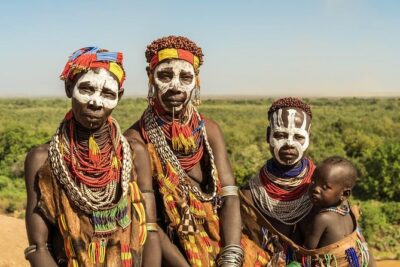
5 Day Private tour to the Omo Valley Tribes and Adventure Tour
Read our review →
Browse the lists this tour appears in