
Reviewed · COFFEE EXPERIENCES
Ethiopian Culinary Tour – Market, Coffee Ceremony and More
The heart of this six-hour Addis Ababa tour is the food you help prepare. You will roast coffee, bake spongy injera, taste Tej honey wine, and walk through Merkato, where sacks of spices and coffee make the city’s cooking traditions feel very real.
I like the hands-on food lessons and the way the day links them to ordinary city life. I also like the mix of stops, from Tomoca’s Italian-style macchiato to a local honey-wine bar and a buffet at Ethiopia’s first hotel.
The main consideration is pace. Merkato is large, busy, and sensory, while coffee, injera, lunch, and Tej each deserve time. Six hours gives you a useful introduction, but not a slow food course.
Key points to know before you book
- Start with Ethiopian coffee at Tomoca: Taste arabica beans prepared in an Italian-style coffee shop before learning the traditional ceremony.
- Walk through Merkato’s spice trade: Bargaining and market browsing offer a close look at the ingredients behind Ethiopian cooking.
- Bake your own injera: You take part in the process instead of only eating the finished bread.
- Meet several strong local guides: Desale, Seid, Muse, and Zerefa are names associated with particularly well-led days.
- Finish with Tej and a buffet lunch: Honey wine and a spread of local dishes round out the food-focused route.
- Pay $85 for a full half-day: Transport, pickup, guide, activities, lunch, water, and hot drinks are included.
Why this Addis Ababa food tour works
Many food tours amount to a few tastings and a quick explanation. This one gives you several ways into Ethiopian food: buying ingredients, preparing bread, roasting or drinking coffee, sharing lunch, and sampling a traditional drink.
That variety matters. You do not just hear that coffee is important in Ethiopia. You see how it is prepared and take part in the ceremony. You do not simply receive injera beside your meal. You try to make the soft, slightly sour flatbread yourself.
The route also gives you a view of Addis Ababa beyond restaurants. The streets around Merkato, the coffee shop, and the Tej bar connect food with work, trade, and daily routines. Guides such as Desale and Seid have also pointed out city landmarks and explained local history while driving between stops.
At $85 per person, this is not the cheapest way to eat lunch in Addis Ababa. It is a solid value if you want a private-feeling, organized day with transport and a guide. You are paying for the range of activities and the time saved arranging several stops yourself.
More Ethiopian coffee experiences in Addis Ababa:
- Ethiopian Culinary Tour – Market, Food, Coffee Ceremony & more
★ 5.0 · 65 reviews - Market Tour and Cooking Class with a Coffee Ceremony at a Home in Addis Ababa
★ 5.0 · 32 reviews - Vintage Coffee Shops, Restaurants, Sightseeing in Addis Ababa
★ 5.0 · 17 reviews
Tomoca coffee starts the day
The first coffee stop is Tomoca, a well-known Addis Ababa coffee shop serving Ethiopian arabica beans in Italian-style drinks, including macchiato. This is a useful opening because it shows two sides of Ethiopia’s coffee culture at once.
Coffee has a major place in Ethiopian life, but Tomoca presents it in a more modern, Italian-influenced format. You may begin with a quick, concentrated drink before later taking part in the slower traditional ceremony.
That contrast helps you understand the difference between coffee as a fast café drink and coffee as a social event. If you care about coffee, pay attention to the flavor and preparation here, then compare it with the roasted beans used during the ceremony.
Tomoca is also a practical first stop. You can get your bearings, try something familiar, and then move toward the more participatory parts of the day. The tour includes hot drinks at lunch, but extra alcoholic drinks are not included.
Merkato brings the ingredients into focus
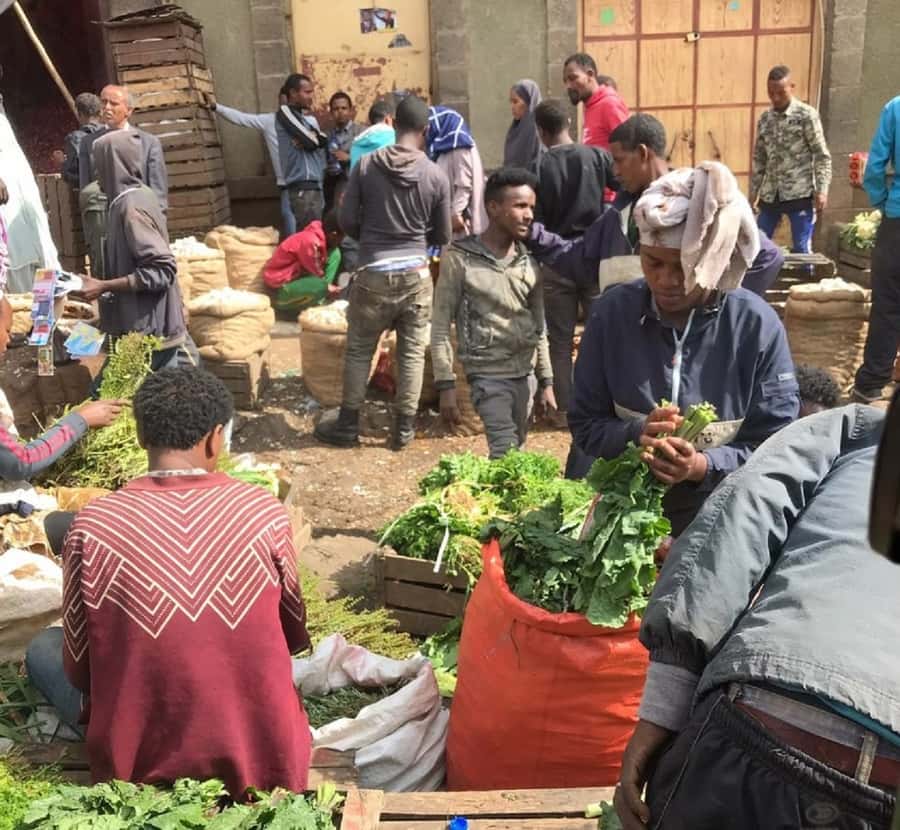
Merkato is described as the largest open-air market in Africa, and it is the tour’s most energetic stop. The focus here is the spice market, where you can see the ingredients that give Ethiopian food its strong color, fragrance, and heat.
You will have a chance to test your bargaining skills with spice sellers. Keep your expectations sensible. The value is not only in buying something. It is in seeing how ingredients are displayed, traded, and discussed before they reach a kitchen.
A market visit also makes the later food lessons more meaningful. After seeing coffee and spices sold in quantity, you will recognize them as part of a working food economy rather than decorative details on a restaurant table.
Merkato can be crowded and intense. You will likely encounter plenty of movement, strong smells, and close street activity. Wear comfortable shoes and keep your belongings secure. The supplied information does not promise a set shopping list, so do not book this part expecting a formal cooking-ingredient haul.
The guide matters here. A local guide can explain what you are looking at and help you move through the market with purpose. Seid, Desale, and other guides connected with this experience have been praised for explaining both food and city landmarks clearly.
Making injera is harder than eating it
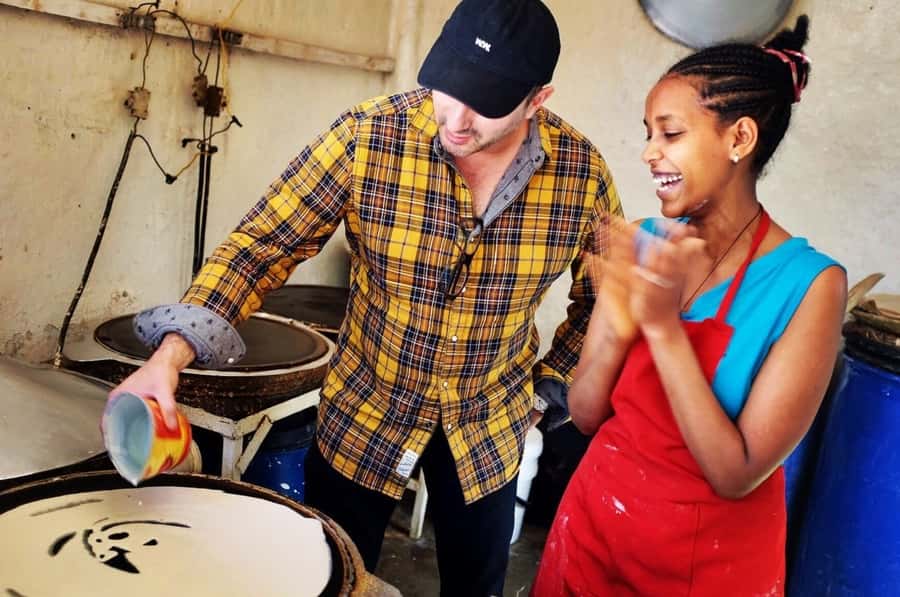
The injera lesson is one of the tour’s best ideas. Injera is the large, spongy Ethiopian flatbread used to hold food and scoop up stews and sauces. You will see the process step by step and face the challenge of baking your own.
That challenge is part of the fun. Injera looks simple on the plate, but getting the texture right takes practice. The goal is a bread that is flexible and spongy, not dry or stiff. Do not worry about producing a perfect round on your first attempt.
You then get to try your creation with a typical spice. This turns the lesson into lunch preparation rather than a demonstration that ends when the cooking surface is cleaned.
For anyone who likes cooking, this may be the most memorable part of the day. For anyone who prefers to sit back and eat, it may feel a little demanding. The tour is designed for participation, so come ready to handle a practical task rather than simply watch a chef.
The available details do not state the exact class setting, recipe quantities, or whether you receive a written recipe. If you want to recreate injera at home, ask the guide for the key steps and ingredients while you are there.
More market walks in Addis Ababa:
- Addis Ababa +Mount Entoto View Point,Museums Palace Market Tours
★ 5.0 · 42 reviews - Go wheretheLocalsgo, Eatwhat thelocalseat!open Market&More Tours
★ 5.0 · 33 reviews - Addis Mercato Market
★ 5.0 · 22 reviews - Addis Ababa: Entoto hill and Mercato Market layover tour
★ 5.0 · 5 reviews
The coffee ceremony slows everything down
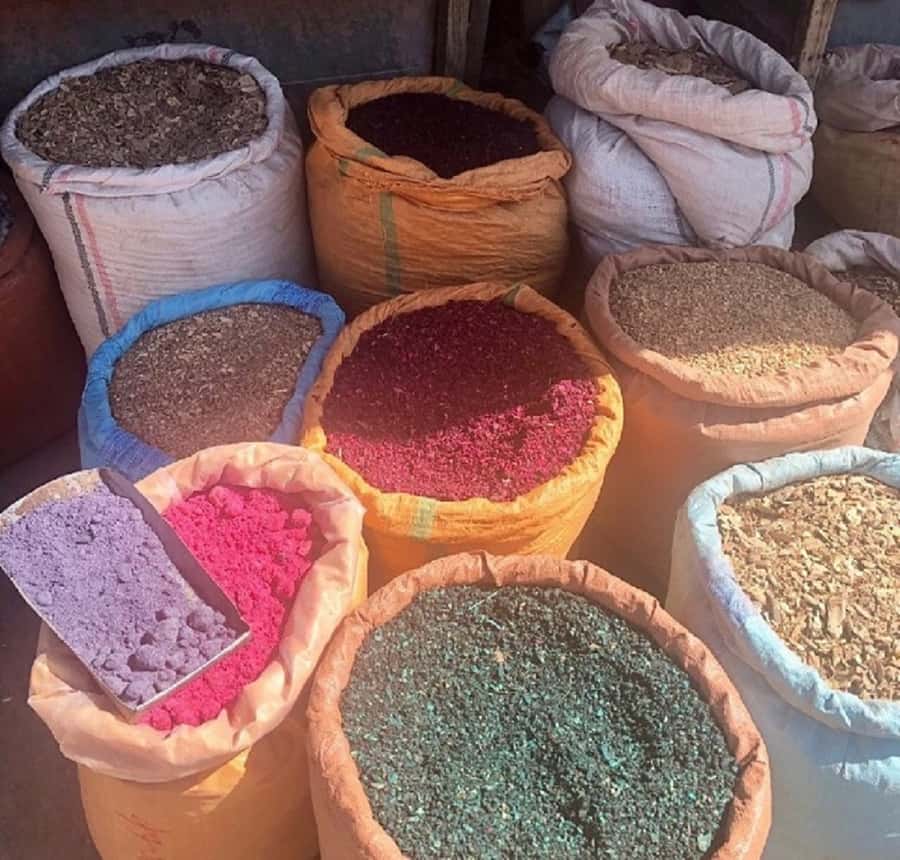
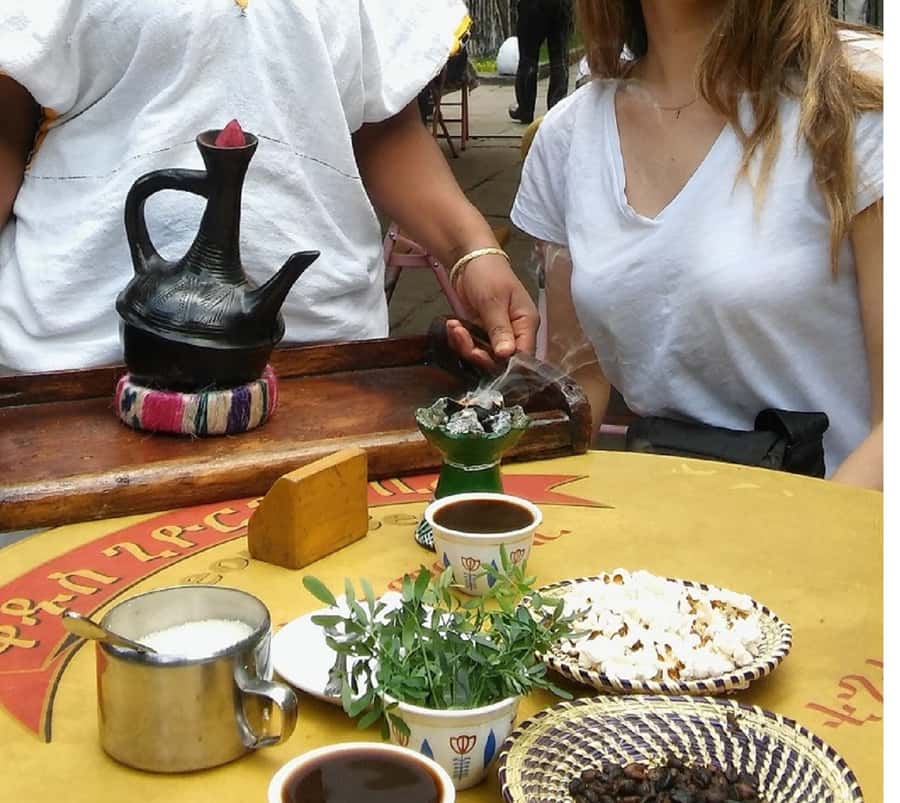
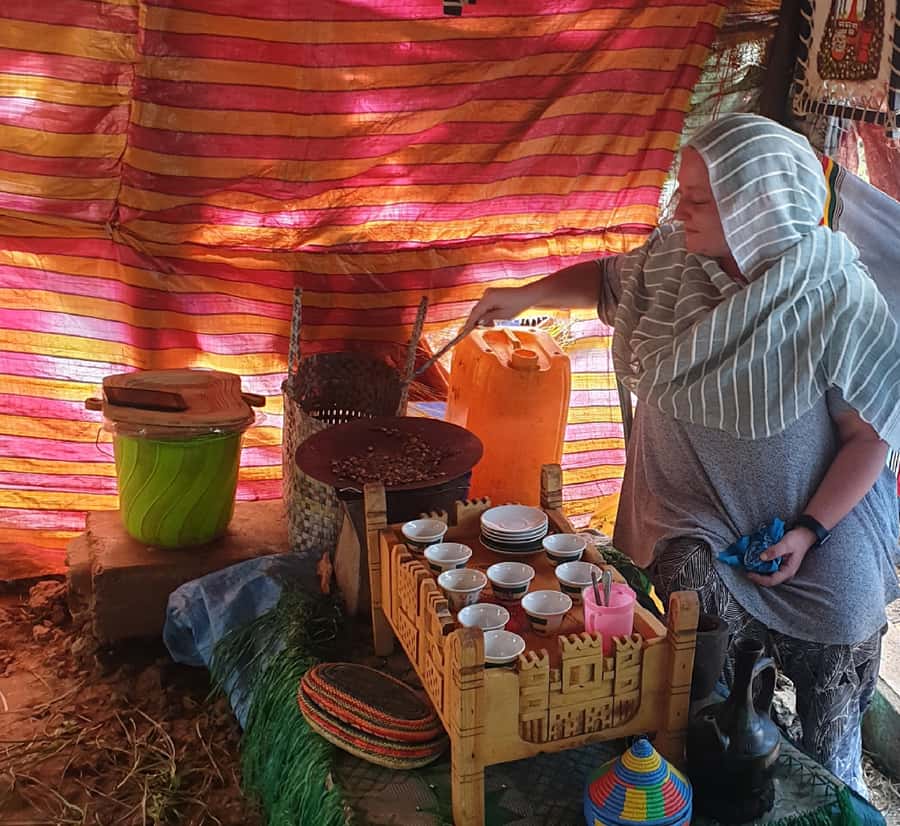
The traditional coffee ceremony is the cultural center of the experience. You will be shown the steps, including roasting your own beans according to one account of the tour, then preparing and drinking the coffee in a social setting.
This takes time, and that is the point. Unlike the quick Tomoca stop, the ceremony is meant to be shared. The roasting, aroma, preparation, and serving create a slower rhythm than a standard café visit.
I like this pairing because it prevents the coffee stop from becoming a simple caffeine break. You first taste a polished café version, then see the patience and social connection behind a traditional preparation.
The ceremony is also a good place to ask questions. Guides have helped explain Ethiopian customs, food, and city life throughout the day. If you are curious about coffee cultivation, roasting, or the meaning of the ceremony, this is the natural moment to raise it.
Coffee is included in the planned experience, and lunch includes hot drinks. Other alcoholic beverages are not covered, though the Tej tasting is part of the route.
Lunch at Ethiopia’s first hotel
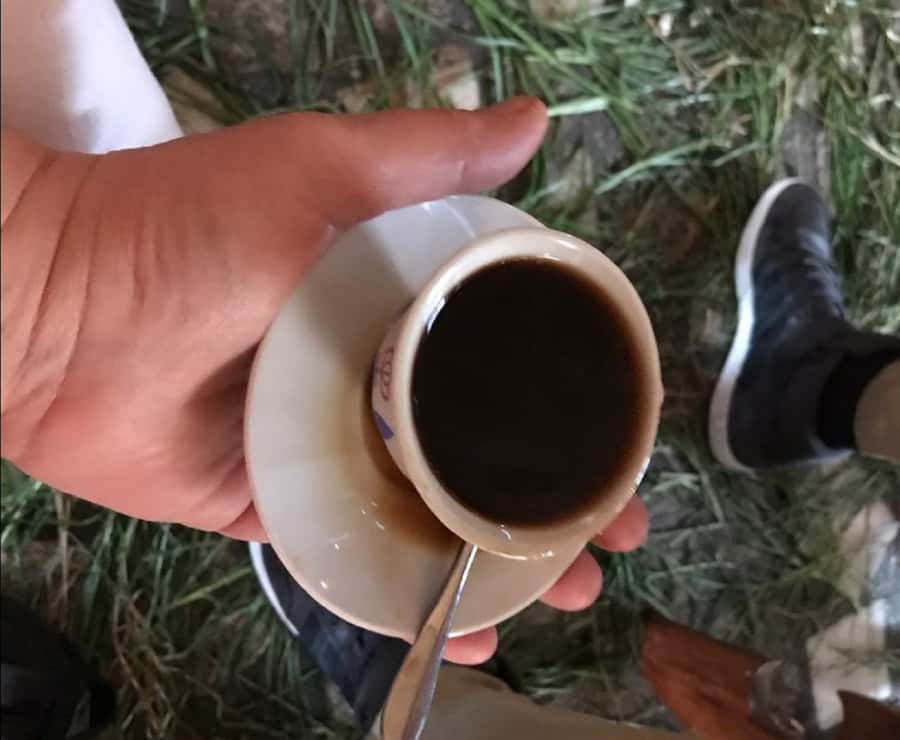
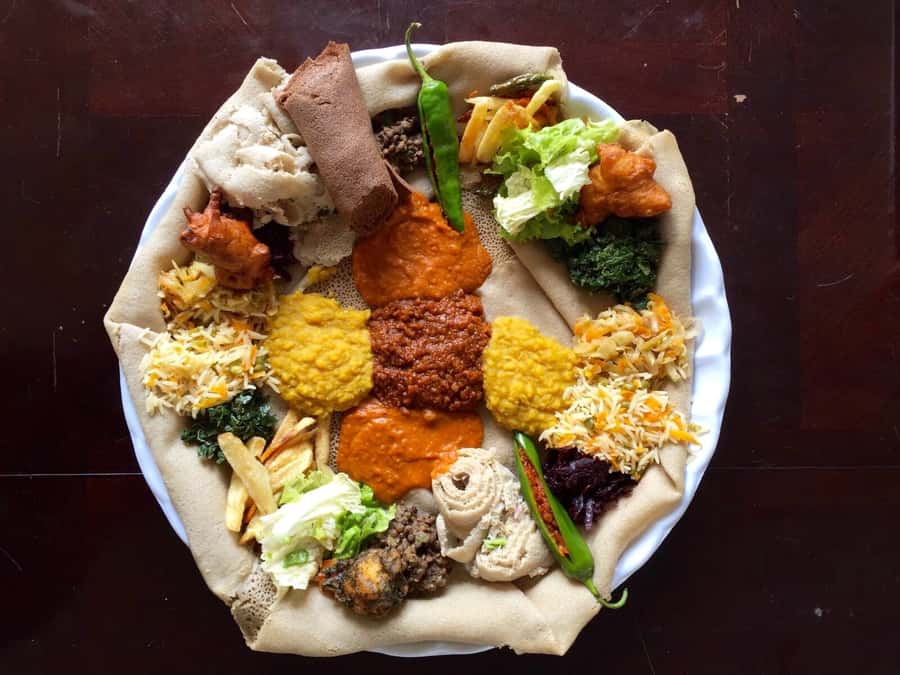
The buffet lunch takes place at the country’s first Ethiopian hotel, also described as the oldest hotel in the tour information. You will sample popular dishes rather than ordering one single plate.
A buffet is a smart choice for this kind of tour. You can try several foods, compare flavors, and build a meal around injera. It also suits people who are new to Ethiopian cuisine and do not yet know which dishes they prefer.
A vegetarian buffet is specifically described in one account of the day. That makes lunch useful for anyone who wants to sample several plant-based dishes. The supplied details do not promise a separate menu for every dietary need, so tell the operator about restrictions when booking.
Lunch includes a bottle of water and hot drinks. That helps keep the $85 price in perspective. You are not paying only for a market walk and a short tasting. The meal, transport, and food activities are built into the day.
The setting adds context, too. Eating at a historic hotel gives you a pause from the market and a chance to discuss what you have seen. It is less intimate than eating in a family home, but it is practical for a six-hour city tour.
Tej gives the day a local finish
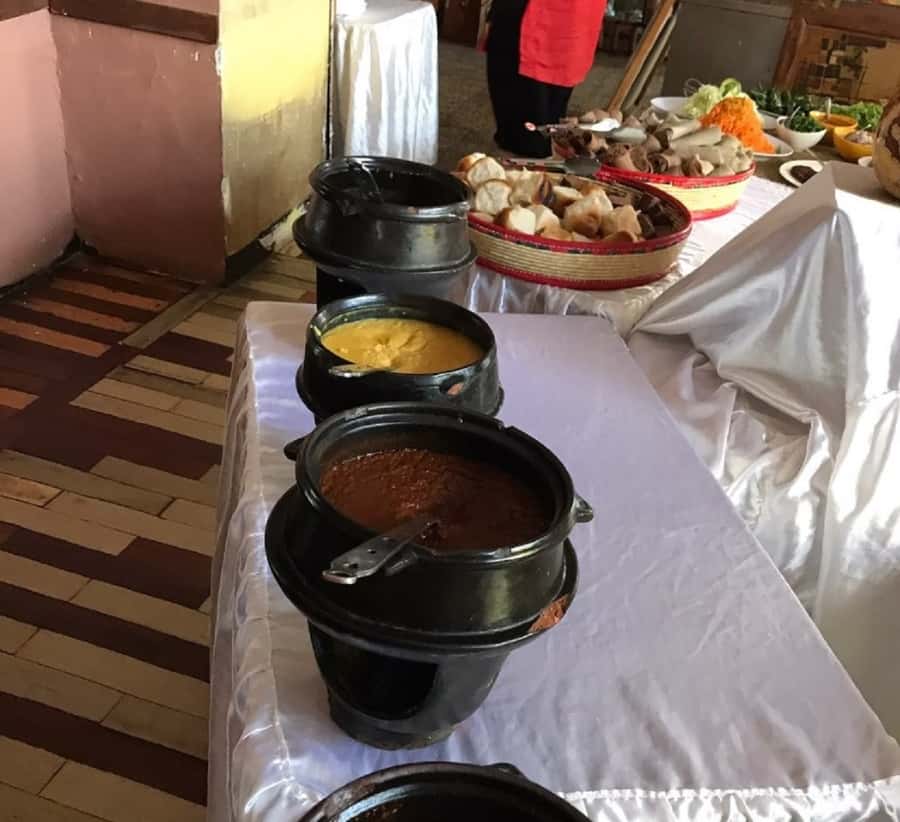
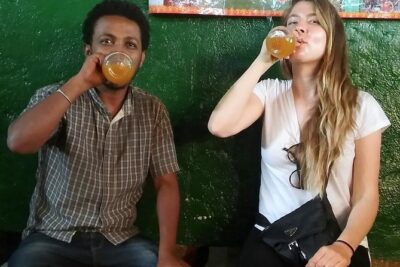
The final stop is a local Tej bar. Tej is Ethiopian honey wine, similar to mead, made mainly from fermented honey. You will tour the bar and taste samples.
The flavor may be new to you, especially if your experience with honey is limited to sweet tea or desserts. Tej is a drink with its own character, and tasting it in a local bar gives the stop more meaning than receiving a small sample at a restaurant.
This is a tasting, not a general drinking tour. Alcoholic drinks other than honey wine are not included, and the experience is built around learning about Tej and trying samples.
If you do not drink alcohol, ask the guide how to handle this stop. The provided details confirm the Tej tasting but do not state whether a nonalcoholic substitute is available.
Ending with Tej works well because it closes the day on a social note. You have handled ingredients, prepared food, shared lunch, and then tried a traditional drink tied to Ethiopian hospitality.
Guides make the difference
The tour is conducted in English, with pickup and drop-off anywhere in Addis Ababa, including hotels, houses, and the airport. A car, driver, fuel, and English-speaking guide are included.
Several guides are named in the experience details. Desale has explained food, city landmarks, and local history while driving. Seid and driver Muse have also been singled out for a safe, friendly, well-organized day. Zerefa led another food and market outing that included plenty of conversation about culture and life in the two countries.
You cannot select a particular guide from the information provided, so treat those names as examples rather than a promise. The useful point is that the guide is central to the experience. At Merkato, the guide gives the market structure. During the coffee ceremony and injera lesson, the guide helps turn instructions into understanding.
Pickup instructions are simple: wait in your hotel lobby for 15 minutes before or after the scheduled time. Since traffic can affect city transfers, keep that window in mind and avoid planning a tight appointment immediately afterward.
What the $85 price really includes

The price is $85 per person for six hours. Included are pickup and drop-off in Addis Ababa, ground transport with a car, driver, and fuel, an English-speaking guide, activity fees, lunch, bottled water, and hot drinks.
That is a good package for a visitor who wants several food experiences in one day. Arranging a market visit, coffee ceremony, cooking lesson, Tej tasting, and lunch independently could take more time and require several separate payments.
The value is weaker if you only want a cheap meal or a short coffee tasting. This is a full half-day program, and the hands-on elements are the reason to choose it.
Tips for the guide are not included. Alcohol beyond the honey wine is also excluded. Bring a passport or ID card, and remember that the tour runs rain or shine. Free cancellation is available up to 24 hours before the start, and you can reserve now and pay later.
Who should book this experience?
I would choose this for a first visit to Addis Ababa, especially if food is one of your main reasons for coming to Ethiopia. It suits curious eaters, coffee fans, people who enjoy markets, and anyone who prefers learning by doing.
It is also a good choice if you want a broad introduction to the city without spending a full day on formal sightseeing. Guides may point out major landmarks during the drives, but food remains the main subject.
You may want another type of outing if you need a very slow cooking class, a quiet restaurant meal, or a highly specialized coffee workshop. The six-hour schedule covers a lot, and the market can be demanding for anyone who dislikes crowded public places.
Should you book it?
Book this tour if you want to connect Addis Ababa’s food with its markets, customs, and social life. The strongest parts are the injera lesson, traditional coffee ceremony, Merkato visit, and Tej tasting, with lunch tying everything together.
The $85 price makes sense when you use the included transport, guide, meal, and activities. Just keep your expectations practical: this is a lively introduction to Ethiopian food, not a private culinary school. Bring curiosity, a little patience, and an appetite.
FAQ
How long does the Ethiopian culinary tour last?
The tour lasts six hours.
What is the price per person?
The price is $85 per person.
Is hotel pickup included?
Yes. Pickup and drop-off are included from hotels, houses, the airport, and other locations in Addis Ababa.
What language is the tour conducted in?
The live tour guide speaks English.
Is lunch included?
Yes. Lunch is a buffet-style meal with popular Ethiopian dishes. A bottle of water and hot drinks are also included.
Will I learn to make injera?
Yes. The tour includes a step-by-step injera baking activity, and you can try your own creation with a typical spice.
Is the coffee ceremony included?
Yes. You will learn about and take part in a traditional Ethiopian coffee ceremony. The day also includes a stop at Tomoca Coffee for Italian-style coffee and macchiato made with Ethiopian arabica beans.
Is Tej included, and what is it?
Yes. The tour includes a visit to a local Tej bar and samples of Tej, a traditional Ethiopian honey wine similar to mead. Other alcoholic beverages are not included.
Just added around Addis Ababa
- Best of Addis Privet Guided city Tour★ 5.0 · 6 reviews
- Debre Libanos Monastery & Scenic Portuguese Bridge Tour★ 5.0 · 4 reviews
- Addis Night Life yod Abissinia★ 3.8 · 4 reviews
- Day trip Adadi Mariam, Melka Kunture and Tiya stele★ 3.1 · 5 reviews
- Addis Ababa: Entoto hill and Mercato Market layover tour★ 5.0 · 5 reviews
- A perfect day trip to Lake wenchi from Addis Ababa★ 5.0 · 3 reviews
- Addis Ababa city tour from Bole airport and All Hotels★ 4.0 · 3 reviews
- Addis Ababa Essentials: Flexible Full-Day City Sightseeing★ 5.0 · 3 reviews
Coffee Experiences, compared.
Ethiopian Culinary Tour – Market, Food, Coffee Ceremony & more
Read our review →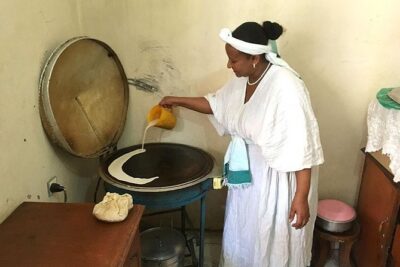
Market Tour and Cooking Class with a Coffee Ceremony at a Home in Addis Ababa
Read our review →
Vintage Coffee Shops, Restaurants, Sightseeing in Addis Ababa
Read our review →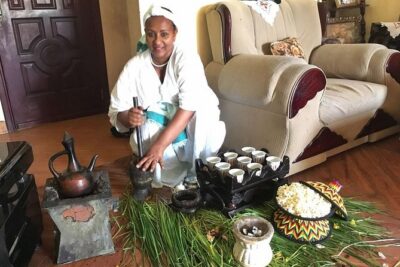
Ethiopian Cooking Class and Coffee Ceremony with a Local in Addis with transfers
Read our review →
Ethiopia coffee cupping class/Ethiopian food injera making
Read our review →
Unique Ethiopian Cooking Class and Coffee Ceremony with a Local in Addis Ababa
Read our review →Browse the lists this tour appears in