
Reviewed · COFFEE EXPERIENCES
Ethiopia coffee cupping class/Ethiopian food injera making
Ethiopian coffee and injera are not just foods to sample. They are daily customs tied to welcome, conversation, and family life. This four-hour Addis Ababa experience lets you taste coffee like a professional, then make the sourdough flatbread that carries much of Ethiopian cooking to the table.
I like the private format, since your guide can adjust the pace and explain details in plain English. I also like the chance to use a traditional mitad, rather than simply watching someone else cook. You will see how coffee moves from growing region and roast to tasting cup, then sit down with handmade injera and dishes such as shiro and misir wot.
The main consideration is timing. The coffee session is listed as about 45 minutes and the cooking lesson about 30 minutes, while the full experience lasts four hours. Much of the remaining time goes to driving, conversation, the meal, and possible stops around Addis Ababa. If you want a long, technical cooking class, this may feel short.
Key points at a glance
- Coffee cupping with regional context: Taste several Ethiopian coffees and learn to notice aroma, flavor, roast level, and brewing style.
- Injera on a traditional mitad: Mix, ferment, and bake the national flatbread, then practice the tricky flip.
- A real Ethiopian meal: Eat your bread with local dishes including shiro and misir wot.
- Private pickup in Addis Ababa: The guide contacts you the day before to arrange collection and timing.
- Guides who add local context: Joe, Mike, Aelaf, Ale, and Jonas are among the named guides connected with this experience.
- A flexible half-day outing: The private setup can allow extra stops, with Entoto National Park, a honey shop, or Menelik Palace included on some days.
Coffee first: understanding Ethiopia in the cup
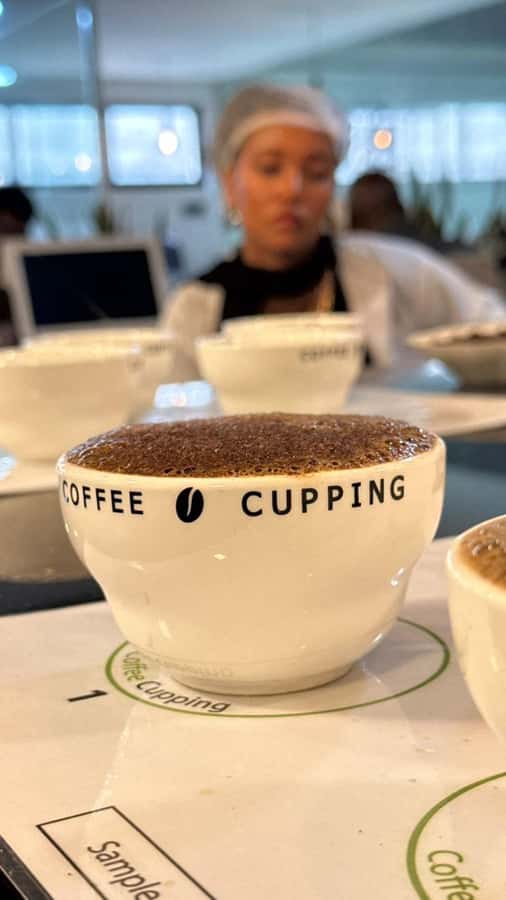
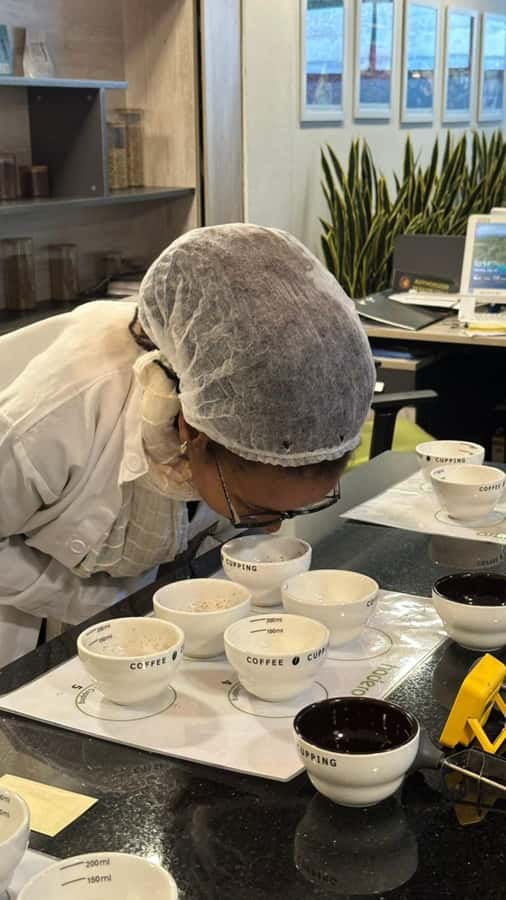
The experience begins in Addis Ababa with a guided coffee cupping session. This is more than drinking a quick cup before cooking. You learn how coffee from different growing areas can vary, how roast levels change flavor, and how to look for tasting notes.
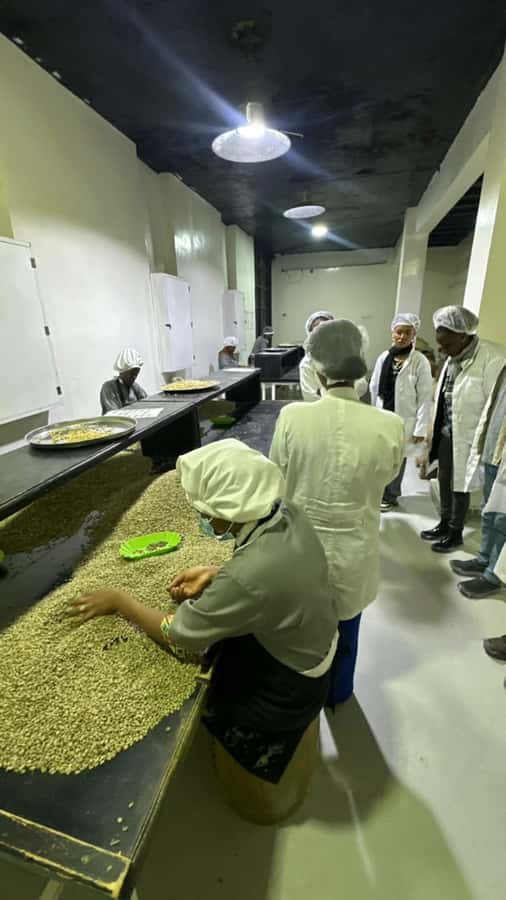
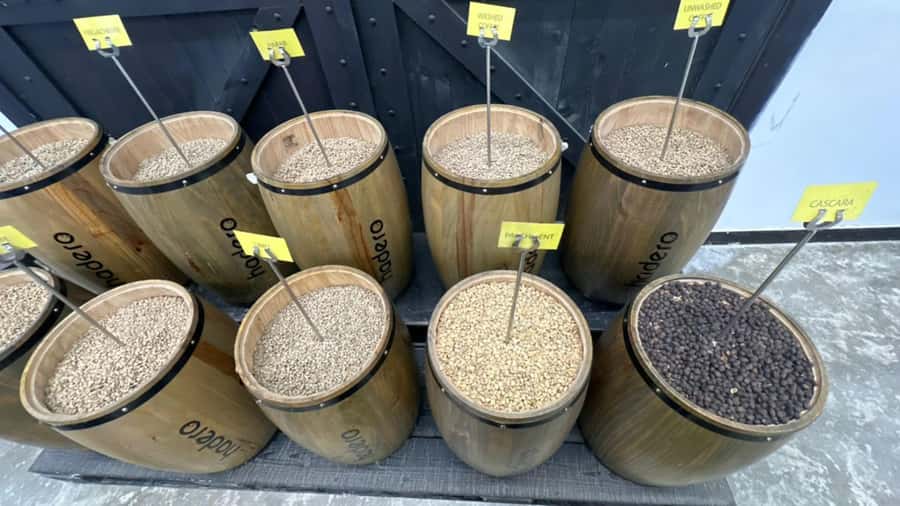
A coffee expert leads the session, covering cultivation, processing, quality control, roasting, and tasting. The exact coffee varieties can vary, but the purpose is clear: you learn to pay attention. Smell the grounds, taste the brew, and compare what reaches your palate.
I like this opening because it gives the rest of the experience some context. Coffee in Ethiopia is part of ordinary social life, not merely a product for export or a fashionable drink. The later ceremony makes more sense after you have learned how careful coffee production and preparation can be.
The coffee stop has been held at Hadero Coffee, according to the information provided by past participants. That setting may offer a useful look at the business side of coffee, from cultivation through quality checks. Since the activity is privately guided, you can ask questions as they come up rather than wait for a large group to move along.
The listed coffee portion lasts around 45 minutes. That is enough for a clear introduction, but not a full professional barista course. You should book it for cultural understanding and tasting practice, not for advanced roasting certification.
More Ethiopian coffee experiences in Addis Ababa:
- Ethiopian Culinary Tour – Market, Food, Coffee Ceremony & more
★ 5.0 · 65 reviews - Market Tour and Cooking Class with a Coffee Ceremony at a Home in Addis Ababa
★ 5.0 · 32 reviews - Vintage Coffee Shops, Restaurants, Sightseeing in Addis Ababa
★ 5.0 · 17 reviews
From teff batter to injera on the mitad
After coffee, you move to the cooking part of the experience. You learn the basic process of making enjera, also commonly spelled injera, the soft, slightly sour flatbread used with many Ethiopian meals.
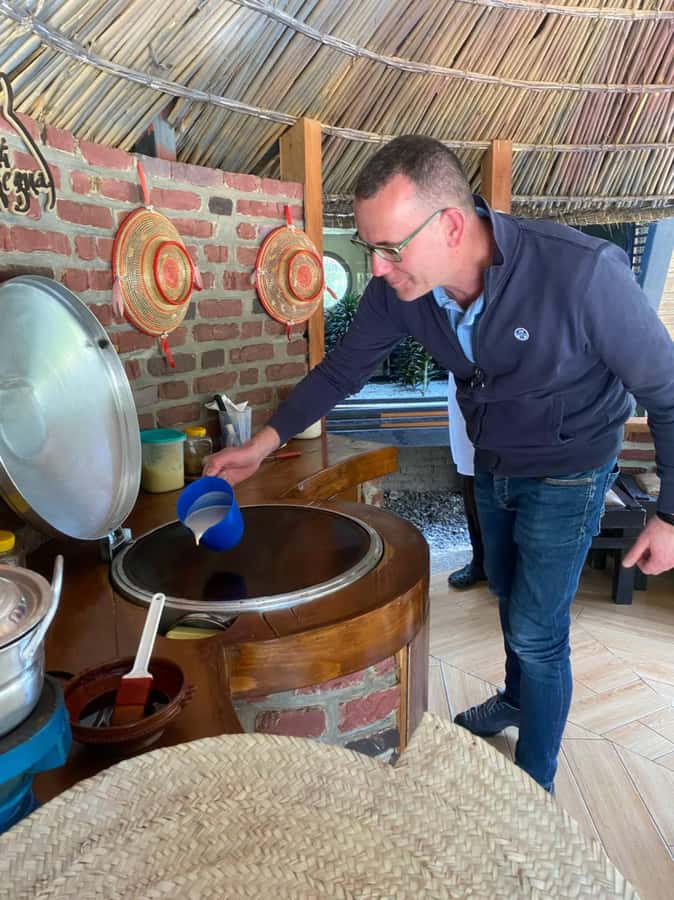
The class covers mixing, fermentation, and baking. The batter is poured onto a traditional mitad, the large cooking surface used to make injera. You get a chance to see how the bread cooks and practice the flip. That final movement looks simple until you try it.
The supplied schedule gives the cooking class about 30 minutes. That is a short lesson, so do not expect to make several batches or study every stage of fermentation in detail. Fermentation itself also takes time, meaning this session is best understood as a practical introduction to the method, with the guide explaining the stages you cannot complete within the visit.
The value is in handling the process yourself. You are not just being served an unfamiliar bread. You see the batter, learn how it is placed on the mitad, and understand why the finished injera has its distinctive texture. The traditional tools add something that a modern demonstration kitchen would miss.
The class takes place in a clean indoor or outdoor kitchen setting, with ingredients, spices, cooking tools, and equipment supplied. You do not need to bring special gear. Wear clothes that you are comfortable cooking in, since this is a hands-on session rather than a demonstration from a distance.
Why injera matters at the table
The meal that follows shows you how injera works. You tear off pieces of bread and use them to pick up the accompanying food. This makes the meal social and practical at the same time.
The included dishes include shiro and misir wot, along with other local sides. Shiro is a seasoned chickpea-based dish, while misir wot is a spiced lentil preparation. The exact selection can vary, but the key point is that your bread becomes part of the meal rather than a side dish placed beside it.
I like this part because it connects the cooking lesson to everyday use. You learn why the bread is soft and flexible, and you get to test your own work with sauces and stews. The shared meal also gives your guide a natural chance to explain dining customs and the role of food in Ethiopian daily life.
Do not expect a restaurant tasting menu. This is a traditional lunch built around the food you have helped prepare. That makes it a better fit for someone who wants contact with local cooking habits than for someone seeking polished presentation or a long list of courses.
The coffee ceremony closes the morning
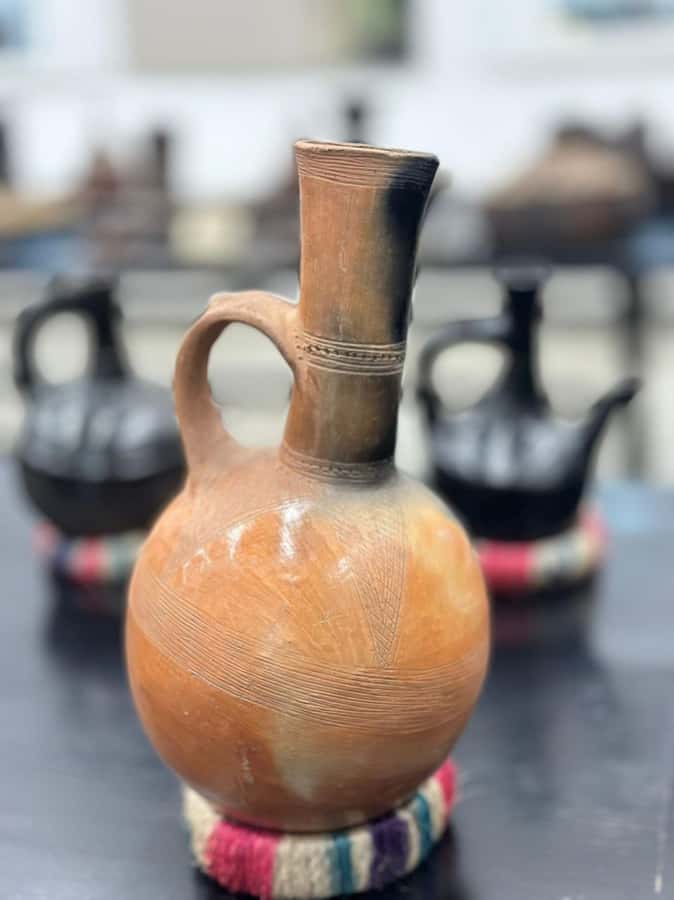
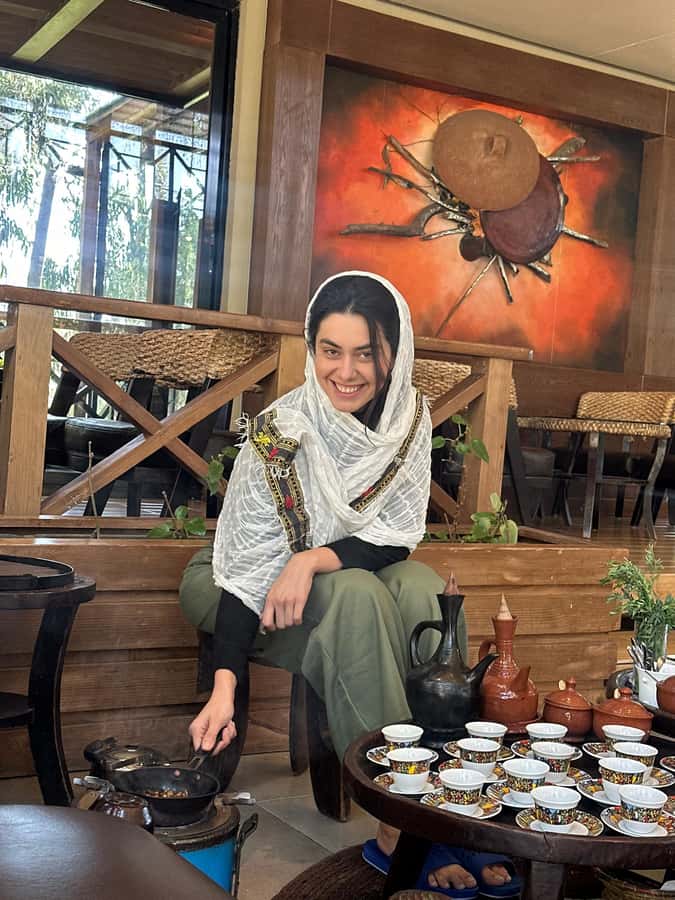
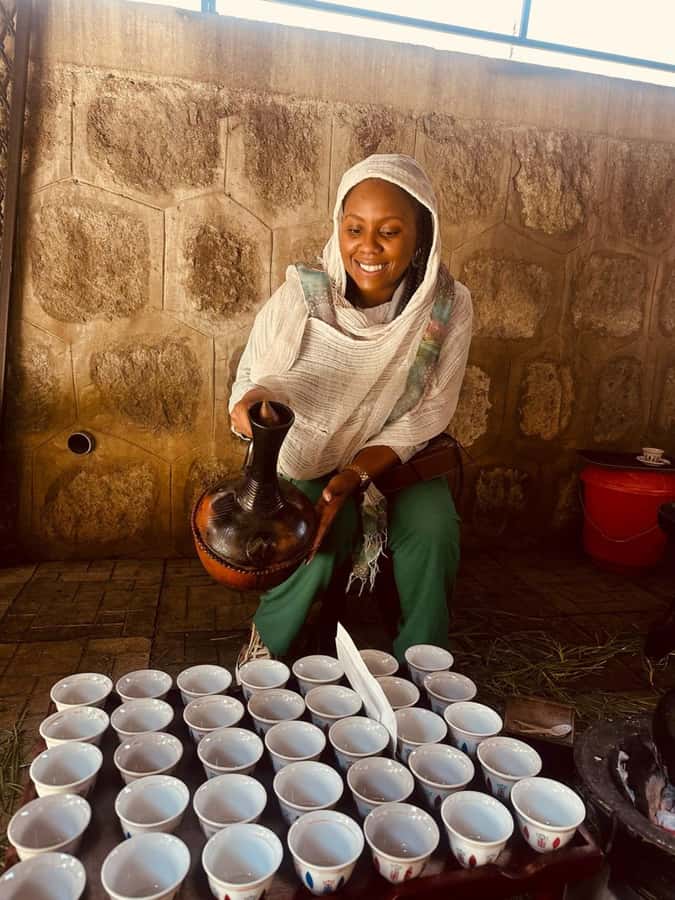
The experience finishes with a traditional Ethiopian coffee ceremony. Coffee is prepared in a clay pot, and the serving is treated as a social occasion. You have already studied the bean and tasted it in a cupping session. Now you see coffee in its more familiar role, shared slowly with food and conversation.
This contrast is one of the strongest features of the experience. Cupping asks you to judge coffee carefully. The ceremony asks you to enjoy it with other people. You get both sides without having to choose between technical information and cultural meaning.
The ceremony takes place after the meal, giving the session an easy, communal finish. Bottled water is included, and the coffee and food served as part of the activity are covered. Additional personal purchases, souvenirs, and food or drinks beyond the provided items are not included.
More hands-on workshops in Addis Ababa:
- Addis Ababa City Tours With Cocking Class of Ethiopian Food
★ 5.0 · 20 reviews - Ethiopian Cooking Class and Coffee Ceremony with a Local in Addis with transfers
★ 5.0 · 14 reviews - Unique Ethiopian Cooking Class and Coffee Ceremony with a Local in Addis Ababa
★ 4.5 · 7 reviews - Addis abeba Full Cooking class.
★ 5.0 · 6 reviews
Addis Ababa pickup and the road to Entoto
Pickup is included in Addis Ababa, and the provider reaches out the day before to arrange the details. That matters in a large city, since a clear meeting plan removes some guesswork. You should make sure your pickup location and phone contact are correct before the day begins.
Driving is part of the four-hour experience. Past outings have included a trip toward Entoto National Park for the injera class, giving you a chance to see more of Addis Ababa beyond the immediate coffee stop. One person also combined the food experience with views from Entoto, while another added Menelik Palace and its church museum.
These extra stops are not listed as fixed parts of every booking, so do not assume they are guaranteed. The private format may give your guide room to adjust the day, but any additions should be confirmed before you set your expectations.
The drive can be an advantage if you want local explanation along the way. Aelaf, also called Ale, has been described as discussing city life, culture, and religion while driving, and as adapting the route to suit personal interests. That kind of commentary can make transfer time useful.
The tradeoff is that the cooking and coffee portions are not four hours of nonstop instruction. If you are staying in Addis Ababa for only a short time, the driving and added city context may be worthwhile. If you want every minute spent in the kitchen, ask in advance how much time will be devoted to each section.
The guides shape the experience
This is a guide-led private activity, and the human side matters. The named guides connected with the experience include Joe, Mike, Aelaf or Ale, and Jonas. The assigned guide can vary, so you should not book it expecting one specific person unless the provider confirms that in writing.
Joe has led coffee and injera sessions, including an outing that reached Entoto Park and included a honey shop. Aelaf has been praised for early pickup, safe driving, translation during the injera lesson, and adjusting the day around personal interests. Mike has been described as caring and passionate about Ethiopia, while Jonas has been noted for punctuality, clear English, respectful conversation, and useful local insight.
The strongest pattern is personal attention. A private group means you can ask about coffee regions, food customs, religion, city life, or the cooking process without competing with a bus full of people. It also gives the guide more room to respond if your plans change.
English is the listed language. Communication should be straightforward, but the depth of translation during the cooking demonstration may depend on the individual guide and the kitchen setting. Ask questions as you go. The class is short enough that waiting until the end could mean missing a useful explanation.
What the $94 price gets you
At $94 per person, this is not the cheapest way to drink coffee or eat lunch in Addis Ababa. You are paying for more than the ingredients. The price includes pickup, a private group, an English-speaking guide, the coffee cupping session, the cooking workshop, lunch, the ceremony, equipment, and ingredients.
That package can be good value if you want several connected experiences in one half-day. You would otherwise need to arrange transport, find a coffee professional, locate a kitchen willing to teach injera making, and organize a meal. Here, the guide connects those pieces and provides the cultural explanation.
The value is weaker if you only want a basic coffee tasting or a quick meal. The cooking lesson is relatively brief, and the schedule may include driving and optional sightseeing rather than extended time at the work surface.
I would also compare the price with your group size. Since this is a private activity, it makes more sense for couples, friends, or a small family group sharing the cost than for a solo visitor focused only on keeping expenses low.
Who should book this Addis Ababa experience
I would recommend it most strongly to:
- Coffee lovers who want to understand Ethiopian coffee beyond a café menu.
- Food-focused visitors who want to handle injera dough and use a mitad.
- First-time visitors to Addis Ababa who want a guide to connect food, coffee, city life, and culture.
- Couples and small private groups who value flexible conversation and pickup.
- People with a half-day free who want a meal and hands-on activity rather than a standard sightseeing drive.
It may not suit children under 15, since the activity specifically excludes them. It is also not suitable for people with altitude sickness. Addis Ababa and the Entoto area can involve elevation concerns, so take that restriction seriously rather than treating it as a minor footnote.
You should also think about your appetite for shared dining. Injera is eaten with the hands in the traditional style, and the meal is communal. That is part of the point, but it may not suit someone who prefers individual plated food or a formal cooking school.
Practical details before you reserve
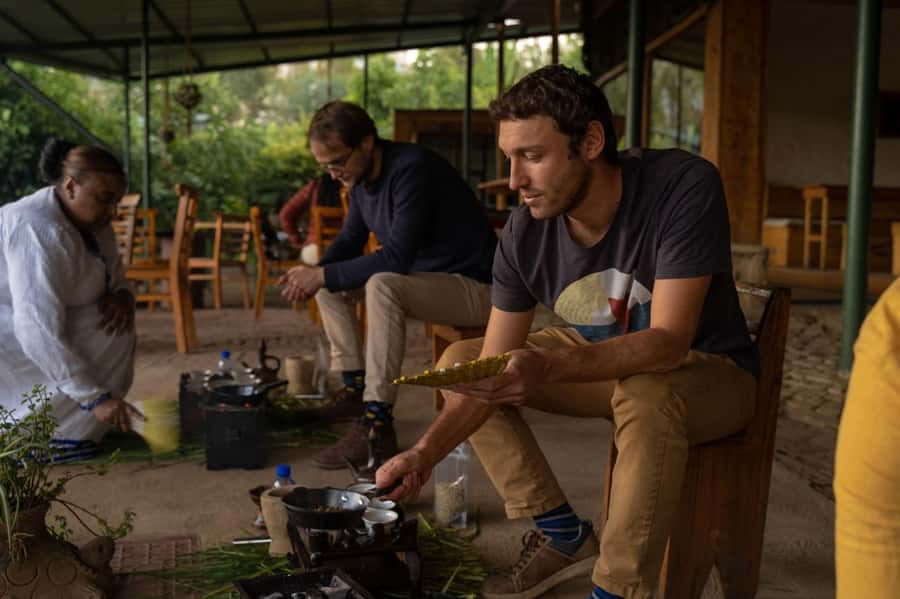
The total duration is four hours, with starting times available according to the date you choose. Coffee takes about 45 minutes and the cooking class about 30 minutes, with the rest covering transport, explanations, the meal, and the coffee ceremony.
The tour includes free cancellation up to 24 hours before the activity for a full refund. You can also reserve and pay later, which is useful when your Addis Ababa schedule is still moving.
Alcohol and drugs are not allowed. Personal expenses, souvenirs, and anything outside the listed food and drink are extra. Ingredients, spices, cooking equipment, traditional tools, bottled water, and the provided meal are included.
Because pickup is arranged the day before, keep your phone available and respond to the provider. Tell the guide early if you have a particular interest in coffee production, cooking, city history, or a possible Entoto stop. The private setup gives you room to shape the conversation, but only if you speak up.
Should you book it?
Book this experience if you want personal contact with Ethiopian food and coffee, not just a photograph and a quick taste. The best parts are the comparison between coffee cupping and the traditional ceremony, the chance to work on a mitad, and the private guide who can explain daily life while you move around Addis Ababa.
Skip it if you want a long professional cooking course, a fixed sightseeing route, or the lowest possible price. The injera class is brief, and extra stops are not guaranteed. For a food-loving couple or small group with four hours to spare, though, the combination of coffee, cooking, lunch, and local conversation makes the $94 fare a sensible way to spend part of your Addis Ababa stay.
FAQ
How long does the experience last?
The full activity lasts four hours.
Where does pickup take place?
Pickup is included in Addis Ababa. The provider contacts you one day before the activity to arrange the details.
What language is the tour conducted in?
The live tour guide speaks English.
Is this a private activity?
Yes. The experience is arranged for a private group.
What happens during the coffee session?
You join a guided Ethiopian coffee cupping session, taste different varieties, and learn about growing regions, roast levels, aromas, flavors, processing, and brewing methods.
What happens during the injera class?
You receive hands-on instruction in mixing, fermenting, and baking injera on a traditional mitad. The class also covers how to flip the bread.
Is lunch included?
Yes. A traditional Ethiopian lunch with your handmade injera and local dishes such as shiro and misir wot is included.
Is the coffee ceremony included?
Yes. The experience ends with an authentic Ethiopian coffee ceremony using traditional coffee equipment.
Can children join the activity?
No. The activity is not suitable for children under 15 years old. It is also not suitable for people with altitude sickness.
More Food Tours in Addis Ababa
- Hidden Treasures of Addis Ababa – Food, Culture and History Tour
★ 5.0 · 57 reviews
Just added around Addis Ababa
- Best of Addis Privet Guided city Tour★ 5.0 · 6 reviews
- Debre Libanos Monastery & Scenic Portuguese Bridge Tour★ 5.0 · 4 reviews
- Addis Night Life yod Abissinia★ 3.8 · 4 reviews
- Day trip Adadi Mariam, Melka Kunture and Tiya stele★ 3.1 · 5 reviews
- Addis Ababa: Entoto hill and Mercato Market layover tour★ 5.0 · 5 reviews
- A perfect day trip to Lake wenchi from Addis Ababa★ 5.0 · 3 reviews
- Addis Ababa city tour from Bole airport and All Hotels★ 4.0 · 3 reviews
- Addis Ababa Essentials: Flexible Full-Day City Sightseeing★ 5.0 · 3 reviews
Coffee Experiences, compared.
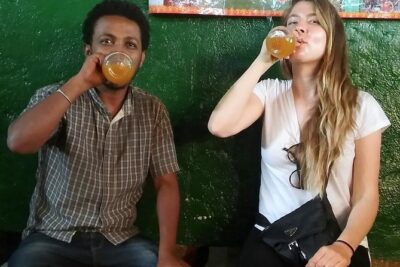
Ethiopian Culinary Tour – Market, Food, Coffee Ceremony & more
Read our review →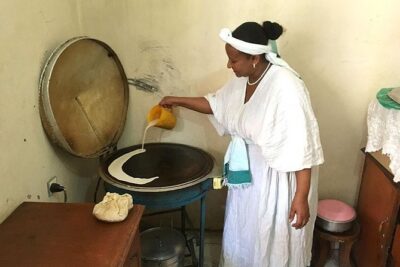
Market Tour and Cooking Class with a Coffee Ceremony at a Home in Addis Ababa
Read our review →
Vintage Coffee Shops, Restaurants, Sightseeing in Addis Ababa
Read our review →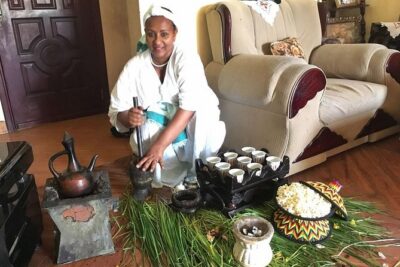
Ethiopian Cooking Class and Coffee Ceremony with a Local in Addis with transfers
Read our review →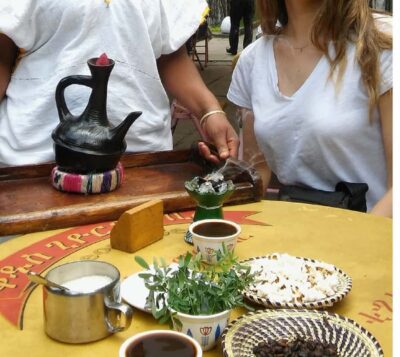
Ethiopian Culinary Tour – Market, Coffee Ceremony and More
Read our review →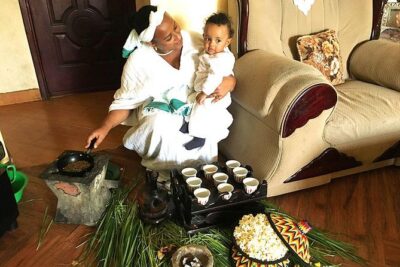
Unique Ethiopian Cooking Class and Coffee Ceremony with a Local in Addis Ababa
Read our review →Browse the lists this tour appears in