

Reviewed · TRIBAL TOURS
Omo Valley Tribe Tours 8 Days
The most striking part of this journey is its reach. In eight days, you move from Addis Ababa’s museums and markets to the remote Omo Valley, where the Mursi, Hamer, Bana, Ari, and Dassanech communities live by herding, farming, pottery, weaving, and fishing. The Mursi lip plates are famous, but they are only one part of a much larger cultural story.
I like the range of places packed into the route, especially the Lake Chamo boat ride and the chance to see Nile crocodiles, hippos, and birds. I also like the human focus: Dorze weaving, Konso terraces, Hamer traditions, and the final coffee ceremony give you more than a quick photo stop. The main drawback is the pace. Long road days, basic conditions in the Omo Valley, and several cultural visits in a row require patience and a good level of fitness.
Key points before you book

- Eight days cover a huge section of southern Ethiopia, from Addis Ababa to Lake Turkana country and back through the Rift Valley.
- Mago National Park brings you to a Mursi village, with low straw huts and distinctive lip and ear ornaments.
- Lake Chamo adds a welcome change of pace, with a boat cruise and possible sightings of crocodiles, hippos, and birds.
- The itinerary includes several different communities, including Dorze, Bana, Ari, Hamer, Dassanech, and Konso.
- The maximum group size is 15, though some past bookings were arranged as private trips.
- Price is $1,589 per person, with pickup, mobile tickets, and group discounts listed as features.
Why the Omo Valley feels so different

The lower Omo Valley is not a single attraction. It is a broad region where communities have adapted to difficult conditions in very different ways. That is why the itinerary works best when you treat each visit as a small lesson in daily life, not as a checklist of exotic costumes.
The Mursi live near the Omo River and in Mago National Park. They move between seasonal areas, herd cattle, and grow crops along the river. Their lip plates are widely known, but the more useful thing to notice is how clothing, housing, food, and movement connect to the climate and local customs.
This is also a photography-focused route in places, but you should approach every portrait with care and follow your guide’s advice. The people you meet are not performers placed on a stage. A local guide helps explain what you are seeing and how to behave respectfully.
More Omo Valley tribal trips:
- Arba Minch, Dorze Tribe, Konso, and Awasa Private 4 Days Tour from Addis Ababa
★ 5.0 · 3 reviews - 6 Days Omo Valley Tribes Tours From Addis Ababa
★ 5.0 · 33 reviews - 9 Days Tours To Danakil Depression, Simen MNP, Lalibela With Omo Valley Tribes
★ 5.0 · 11 reviews
Day 1: Addis Ababa from Entoto to Mercato
Your first day begins with a pickup and transfer to your hotel, followed by roughly six hours of sightseeing. The route climbs Mount Entoto for a wide view over Addis Ababa before dropping back into the city.
The National Museum is an important first stop. You can see the fossil remains of Lucy, one of the world’s best-known early hominids. This gives useful context before you head south, since Ethiopia’s story begins long before its modern towns and ethnic groups.
The Holy Trinity Cathedral follows, then the Ethnographic Museum in the former palace of Emperor Haile Selassie. These stops provide a basic introduction to Ethiopia’s religious, royal, and cultural life.
Mercato, described as the largest market in East Africa, closes the sightseeing portion of the day. It is a lively place, and you should expect a crowded, energetic setting rather than a polished shopping center. Keep your belongings secure and stay close to your guide.
This first day is well designed in theory, since it gives you museums and city context before the long southern journey. It is also a full start after arrival, so if your flight lands early in the morning, expect a tiring schedule.
Day 2: Dorze homes and the road to Arba Minch
The second day takes you toward Arba Minch and includes a visit to a Dorze village. The schedule is listed at about nine hours, making this one of the longer road days.
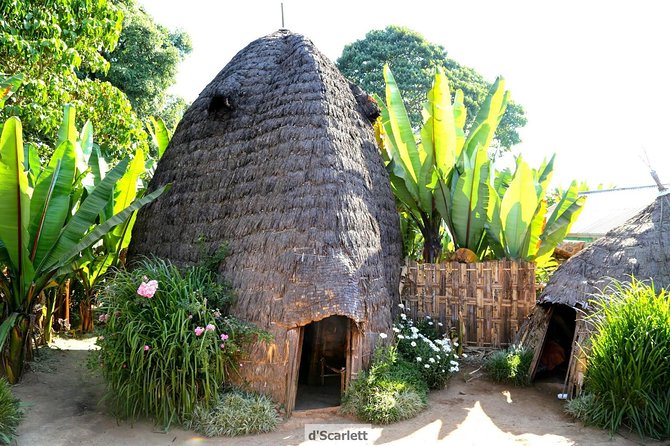
The Dorze are known for weaving, and their homes are built in a distinctive shape said to resemble an elephant. The design reflects a local connection to elephants that once lived in the area. You will also learn about enset, often called false banana, a major staple food for the people of the region.
This is a valuable stop because it shows that Omo Valley culture is not limited to the communities most often photographed. The Dorze example brings farming, food, architecture, and craft into the picture.
The itinerary labels this day with Arba Minch Airport, but the description is a road journey with a village visit. Confirm the exact meeting point and transport plan before departure, especially if you are arranging flights separately.
Day 3: Lake Chamo, Bana, and Ari communities

After breakfast, you take a boat cruise on Lake Chamo. It is described as Ethiopia’s third-largest lake, and the water offers a break from the long stretches of driving. Keep your eyes open for Nile crocodiles, hippos, and different bird species. Sightings are possible, not guaranteed, so treat the cruise as a wildlife opportunity rather than a promise.
The route then continues toward the Bana and Ari communities. The Bana are indigenous pastoral and semi-nomadic people living in the lower Omo Valley’s harsh climate. Men may wear their hair in a colorful clay cap decorated with feathers, a detail that gives you a glimpse of local style and identity.
The Ari are the largest population in the lower Omo Valley. Women are known for pottery and for wearing skirts made from the banana-like enset plant. These details make the visit especially useful if you want to understand how local resources become food, clothing, and household goods.
This is a busy day, listed at about six hours. The mix of boat ride and village visits gives it good variety, though the cultural stops may feel brief if road conditions slow the schedule.
A few more Addis Ababa trips worth weighing up
- 3 Days Omo Valley Tour
★ 5.0 · 24 reviews - 5 Days Omo Valley Tours
★ 5.0 · 15 reviews - 6 Days Lalibela, Omo Valley and Harar
★ 5.0 · 15 reviews - Private Omo Valley Tours From Addis Ababa
★ 5.0 · 12 reviews
Day 4: Mago National Park and the Mursi

Day four is the tour’s main Mursi day. You travel to Mago National Park to visit a Mursi village, then return to Jinka for lunch before continuing toward Turmi, home of the Hamer people.
The Mursi live in low huts made from straw and leaves. Women may wear terra-cotta lip and ear ornaments, including the large lower-lip plates for which the community is widely known. Their clothing and body decoration are tied to identity and tradition, not simply to tourism.
You should expect this visit to be visually powerful but also sensitive. Listen to your guide about photography, personal space, and respectful conduct. A good visit is not measured by how many portraits you bring home.
The route continues to Turmi after lunch, so this is another day with substantial driving. The schedule says about six hours, but road travel in this part of Ethiopia can feel demanding. Covered shoes are specifically advised, and you should be comfortable with uneven ground and basic facilities.
Day 5: Dassanech country near Omorate

From Turmi, you make an excursion to Omorate to visit the Dassanech people, whose name is explained as meaning people of the Delta. They live on the northern shore of Lake Turkana, close to the southern edge of Ethiopia.
This outing shows how different life can be near the water and delta areas compared with the drier inland settlements. The community’s location gives the day a strong geographical focus, even though the itinerary does not list detailed activities beyond the village visit.
You return to Turmi for the night. That overnight location helps break up the route, but the day remains an out-and-back excursion. If you prefer relaxed travel with long stays in each place, this program may feel too compressed.
Day 6: Konso terraces and the road back north
After breakfast, the route turns back toward Konso. Depending on the day, you may join local tribal markets before visiting a Konso village.
Konso is recognized as a UNESCO site for its carefully built terraces. The terraces are more than a scenic feature. They show how people have shaped steep ground for farming and managed limited land over time.
Konso is also known for producing some of Ethiopia’s best coffee. That makes the stop a useful bridge between agriculture, local identity, and the coffee culture you encounter again at the end of the tour.
You then continue to Arba Minch. The day is listed at about six hours, though market timing and road conditions can affect the rhythm. Ask your guide which market or village visit is possible on your date, since the wording makes clear that the exact market experience depends on the day.
Day 7: Langano and the Rift Valley

Day seven takes you toward Lake Langano, a place associated with water activities. The route also passes Shashemene, where you may see Jamaican communities.
This is a change from the Omo Valley visits. Instead of spending the day focused on one ethnic community, you get a broader look at southern Ethiopia’s roads, lakes, and modern cultural connections.
The itinerary gives this day about six hours. It is not as packed with named cultural stops as the earlier days, which may be welcome after several demanding excursions. At the same time, the details about activities at Lake Langano are limited, so do not book this tour expecting a fully planned program of water sports.
Day 8: Lake Ziway, Debre Zeyit, and a final Addis evening
The final day brings you north to Addis Ababa, with a stop at Lake Ziway. The lake is described as the largest of the upper Rift Valley lakes, covering about 400 square kilometers. Water lilies line parts of the shore, and the lake supports a range of Ethiopian bird species.
You then continue to Debre Zeyit for lunch at a resort before returning to Addis. The last evening includes a folkloric dinner with national dishes, dances from different Ethiopian ethnic groups, and a traditional coffee ceremony.
This is a fitting ending because it gathers several strands of the trip in one place: food, music, regional identity, and coffee. You are then transferred to the airport for departure.
The timing deserves attention. The final day includes a long drive, lunch, an evening program, and airport transfer. Make sure your departure time allows enough room for the full schedule. The itinerary lists about five hours, but airport timing should be confirmed directly.
What $1,589 gets you
At $1,589 per person, the value depends heavily on what is included in your final booking. The program covers eight days and links Addis Ababa with a remote southern circuit that requires extensive transport, guiding, park access, sightseeing, and hotel arrangements.
Pickup is offered, group discounts are available, and the group is capped at 15 people. A smaller group can make road days easier and give you more opportunity to ask questions. Some previous arrangements were private, so it is worth asking what group format applies to your date.
The meal information needs clarification. Breakfast is listed for six days, lunch for eight days, and dinner is included, but another note says food and drinks are not included unless specified. Before paying, ask for a written meal schedule and confirm which dinners, drinks, park fees, boat costs, and hotel services are covered.
The price looks reasonable for a guided eight-day circuit of this size, but its value is not just about the number of stops. You are paying for coordination in an area where roads, distances, and local arrangements can make independent planning difficult. The tradeoff is a fast pace and less control over how long you spend at each place.
Guides, drivers, and the practical side
The strongest praise attached to this trip centers on the human service. Guides named Yoseph and drivers named Frew and Neway received especially warm personal appreciation for their care, driving, and help during the journey. You are not guaranteed to have those exact people, so ask who will lead your departure.
A capable driver matters here. Several days involve long road transfers, and the route covers Addis Ababa, Arba Minch, Jinka, Turmi, Konso, and the Rift Valley before returning to Addis. You will spend a lot of time in the vehicle, making calm driving and clear communication important.
The tour starts at 7:00 a.m. and accepts mobile tickets. Confirmation is provided at booking, and the maximum group size is 15. You need moderate physical fitness, covered shoes, and clothing that meets the listed formal dress code. The dress instruction is unusual for an outdoor cultural route, so ask the operator what clothing is expected at religious sites and village visits.
Free cancellation is available up to 24 hours before the start time. Changes made inside that window are not accepted, and poor weather may lead to a different date or a full refund.
Who should choose this journey
I would recommend this route to you if you want a broad first look at southern Ethiopia and prefer having transport, local visits, and timing arranged for you. It suits people who value cultural variety more than long, slow stays in one village.
It is also a strong choice for photographers, provided you are patient and respectful. The route offers distinctive architecture, clothing, hair decoration, pottery, weaving, wildlife, markets, terraces, and ceremonial food and music.
I would hesitate if you dislike long drives, early starts, basic conditions, or a schedule that changes with local timing. The itinerary covers a lot, but that reach comes at the cost of unhurried exploration.
Should you book the Omo Valley tour?
Book it if your main goal is to see many sides of southern Ethiopia in one organized trip. The combination of Mursi, Hamer, Dassanech, Dorze, Bana, Ari, and Konso communities is the strongest reason to go, while Lake Chamo and the final coffee ceremony keep the trip from becoming a string of village visits.
Before booking, confirm the exact hotels, vehicle, assigned guide, meal plan, park and boat fees, and whether your trip is private or shared. If those details match your expectations, $1,589 can offer solid value for a difficult-to-arrange route. If you want more time with each community, look for a longer private itinerary instead.
FAQ
How long is the Omo Valley Tribe Tours experience?
The tour lasts approximately eight days, beginning and ending in Addis Ababa.
Where does the tour start?
The tour starts in Addis Ababa, with pickup offered. The listed start time is 7:00 a.m.
What communities are included in the itinerary?
The route includes visits connected with the Dorze, Bana, Ari, Mursi, Hamer, Dassanech, and Konso communities.
Will I visit a Mursi village?
Yes. Day four includes an excursion to a Mursi village in Mago National Park.
What wildlife might I see on Lake Chamo?
The boat cruise on Lake Chamo may provide sightings of Nile crocodiles, hippos, and different bird species.
How large is the tour group?
The activity has a maximum group size of 15 people. Private arrangements have also been offered on some trips, so confirm the format for your booking.
What meals are included?
The listed inclusions mention dinner, breakfast on six days, and lunch on eight days. Food and drinks are otherwise excluded unless specifically stated, so confirm the exact meal plan before booking.
Can I cancel for a full refund?
You can cancel at least 24 hours before the start time for a full refund. Cancellations or changes made less than 24 hours before the start time are not accepted for a refund.
Just added around Addis Ababa
- Arba Minch, Dorze Tribe, Konso, and Awasa Private 4 Days Tour from Addis Ababa★ 5.0 · 3 reviews
- 2 Days Ethiopian Rift Valley Lakes Tour from Addis Ababa★ 5.0 · 6 reviews
- Pup crawl and nightlife tour in Addis Ababa.★ 5.0 · 4 reviews
- Taste of Addis: A Delicious 3-Hour Journey Ethiopian Flavors★ 5.0 · 4 reviews
- Mogle Mountain Hiking For Birding, Natures From Addis Ababa★ 5.0 · 5 reviews
- Fully guided city tours of Addis Ababa with hotel pickup★ 5.0 · 5 reviews
- Addis Ababa City Experience : Markets, Coffee & Local Life★ 4.8 · 5 reviews
- From Addis Ababa: 2-Day Awash National Park and Crater★ 4.1 · 3 reviews
Tribal Tours, compared.
6 Days Omo Valley Tribes Tours From Addis Ababa
Read our review →
9 Days Tours To Danakil Depression, Simen MNP, Lalibela With Omo Valley Tribes
Read our review →
5 Day Private tour to the Omo Valley Tribes and Adventure Tour
Read our review →



6 Days Omo valley Tribal Tour (Starts Arba Minch End Jinka)
Read our review →
Browse the lists this tour appears in