

Reviewed · TRIBAL TOURS
5 Days Omo Valley Tribal Tours
The most striking part of this five-day Omo Valley tour is how quickly the setting changes. One day you are looking at Dorze’s tall, beehive-shaped homes; a few days later you are crossing dry country toward Mursi villages and Mago National Park. I like the small maximum group of four, which makes a remote trip easier to manage, and I like the mix of cultural visits, markets, a boat trip, and wildlife-country driving. The main catch is cost: the $1,100 price does not include domestic flights, lunch, dinner, photography fees, or a bull-jumping ceremony if one is available.
I also like that the route includes more than the most famous stops. Konso and Dorze give you useful context before you reach the Omo Valley communities, while the visits to Karo, Hamar, and Dassanech show different customs rather than treating the region as one single culture. Still, this is a demanding trip with long drives, including days of seven or eight hours, and schedules can change around local markets and seasonal ceremonies.
Key things to know before booking
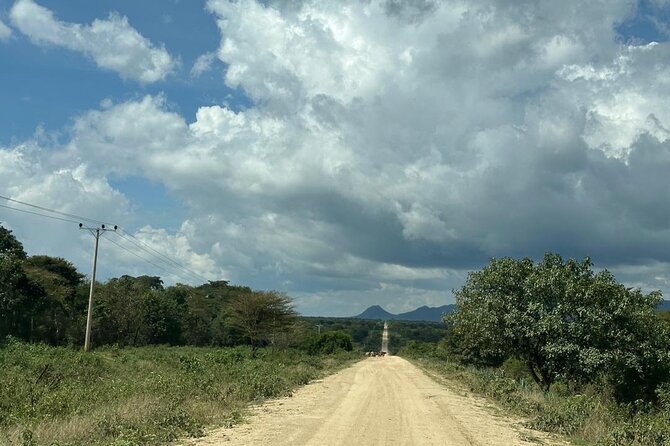
- The group is limited to four people, a real advantage on narrow roads and village visits.
- The route begins with a flight from Addis Ababa to Arba Minch, but that domestic ticket is extra.
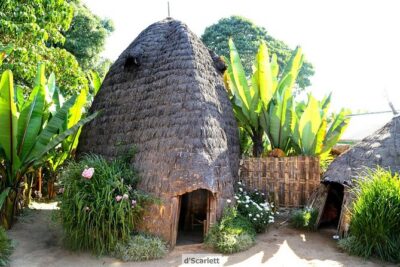
- Dorze homes are shaped like large beehives, and local weaving is part of the visit.
- Konso includes one of nine UNESCO-registered villages, with generation poles that mark 18-year periods.
- Hamar bull jumping is seasonal, and any related fee is not included.
- The Mursi visit passes through Mago National Park, with an early start and a return flight to Addis Ababa on day five.
Why this Omo Valley route is worth your time
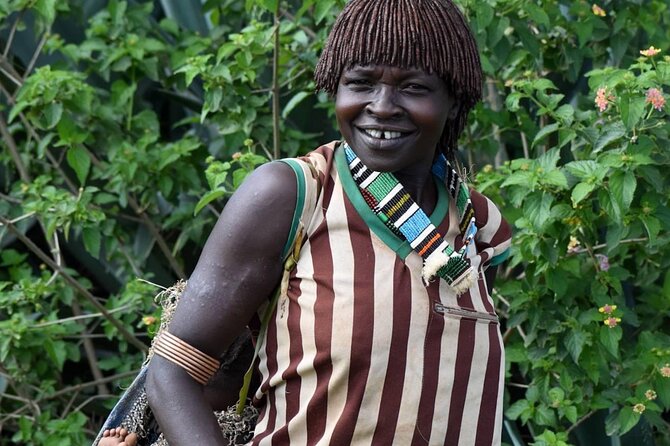
The Omo Valley is not a quick add-on from Addis Ababa. It sits far south, and reaching its communities takes planning, local transport, and patience. This tour handles the broad structure for you: flights, a vehicle, fuel, a guide, breakfast, and visits across several communities.
I see the strongest value in the range of places covered. Dorze offers architecture and weaving. Konso brings village organization and memorial traditions. Turmi serves as a base for Hamar and Karo visits. Jinka opens the way to Mago National Park and the Mursi area. You get a fuller picture than you would from a short trip focused only on one famous village.
The route also has a useful small-group setup. With no more than four people, you are not being moved in a large bus or split from your guide during village visits. That matters when you need to ask questions, discuss local customs, or adjust the pace for photography.
The tradeoff is comfort and time. Long road days are built into the plan, and the South Ethiopian roads can make a listed drive feel longer than expected. You should book this for cultural interest and remote travel, not for a relaxed hotel holiday.
More Omo Valley tribal trips:
- 6 Days Omo Valley Tribes Tours From Addis Ababa
★ 5.0 · 33 reviews - 9 Days Tours To Danakil Depression, Simen MNP, Lalibela With Omo Valley Tribes
★ 5.0 · 11 reviews - 5 Day Private tour to the Omo Valley Tribes and Adventure Tour
★ 5.0 · 11 reviews
Day 1: Addis Ababa, Arba Minch, and Dorze homes
Your first day starts with a flight from Addis Ababa to Arba Minch. Pickup from the airport is arranged, followed by a hotel transfer and a drive toward Dorze after a short break.
Dorze is a good opening stop because the village offers something you can understand at once: its tall homes resemble large beehives and are built from local materials. The visit also covers cotton weaving and ordinary village life, giving you a look beyond ceremonial displays.
If the timing matches the local market day, you can visit the Dorze market as well. That detail matters, since the market visit is not guaranteed every day. Ask your guide early about the market schedule so you know what can fit.
Your overnight stay may be in a traditional hut in Dorze or at a hotel in Arba Minch. Those are quite different experiences. A hut gives you a closer connection to the setting, while an Arba Minch hotel may feel more familiar after the flight and drive. Confirm the accommodation plan before departure if this choice matters to you.
The day is listed at about six hours, but that includes transport and visits rather than six hours of nonstop driving. You should still expect a full first day after the flight.
Day 2: Konso’s generation poles and the road to Turmi
Day two begins early, with breakfast followed by the drive to Konso. You stop for lunch and a short break before visiting one of the nine UNESCO-registered Konso villages.
Konso is especially valuable because its traditions are visible in the village layout and memorial poles. Generation poles mark the start of a new 18-year period, so the number of poles can help show the age of a settlement. This gives you a useful way to read the village instead of simply walking through it and taking pictures.
The visit also introduces the Konso practice of erecting stones and poles. Your guide should explain how these features connect to community memory and social organization. That context is important here, since the objects themselves can be easy to photograph without understanding.
After Konso, you continue to Turmi for the night at Turm Lodge. This is a long day, listed at around eight hours, and the road trip is a major part of the experience. You will want an early breakfast, water, and patience. The schedule does not leave much room for a slow morning.
The value of this day is the change in focus. Dorze is known for houses and weaving, while Konso centers on village traditions and timekeeping. By the time you reach Turmi, you have already seen two distinct cultural settings.
Day 3: Karo art, Hamar customs, and a seasonal ceremony
Day three starts early with a drive to a Karo village along the eastern bank of the Omo River. The Karo are a small community, estimated in the tour material at about 3,000 people. They are known for body and face painting, including designs made from natural colors.
The painting is not just decoration for a picture. The designs may include lines, dots, shapes, animal forms, and handprints. Men may also use clay in elaborate hairstyles and headdresses linked with status, beauty, and bravery. Scarification is part of the appearance traditions for both men and women.
You return to Turmi for lunch and a short break, then visit the Hamar people. The major possible highlight is bull jumping, a rite in which a boy proves his ability by jumping across a row of cattle. The ceremony is seasonal, so it may not happen during your visit. It also carries a separate fee when available, and that fee is not included.
The day may also include a related Hamar event in which a woman shows appreciation for the young man who completes the rite. The description of this part is incomplete, so you should ask the operator what is scheduled before you count on seeing it.
This is one of the most important points about the tour: a cultural ceremony cannot be guaranteed on demand. If you do see bull jumping, it may be a powerful part of the trip. If you do not, the Karo village and Hamar visit still provide substantial cultural interest.
The day is listed at about seven hours. Expect early departure, heat, road time, and a schedule shaped by local conditions rather than by a fixed show timetable.
More five-day trips from Addis Ababa:
- 5 DAYS Lalibela, Axum, Tigray churches and Danakil
★ 5.0 · 34 reviews - Danakil Depression and Lalibela 5 Days Tours
★ 5.0 · 28 reviews - 5 Days North Ethiopia Tours
★ 5.0 · 23 reviews - 5 DAYS Axum, Lalibela, Tigray churches and Danakil
★ 4.5 · 22 reviews
Day 4: Dassanech traditions, market time, and Jinka
Day four takes you from Turmi toward Jinka, with an early visit to the Dassanech tribe. The supplied description also discusses Karo painting, hairstyles, headdresses, and scarification, so confirm with your guide exactly which community and activities are planned at each stop. The names and sequence can vary in the written schedule.
The Dassanech portion is paired with a boat trip in the tour inclusions. This is one of the more unusual elements of the package because it adds a river-based experience to a route otherwise dominated by road travel. The boat trip is included, unlike the domestic flights and some optional ceremony or photography charges.
You return to Turmi for lunch, then may visit a local market if it is market day. Again, the market is conditional. If the timing works, it can show everyday trade and social life in a way that a planned village stop cannot. If it is not market day, the day remains focused on the community visit and the drive to Jinka.
You spend the night at NASA Hotel in Jinka. The day is listed at about eight hours, so this is another long transport day. Jinka is important as the base for the final Mursi and Mago National Park visit, but it is not presented as a leisurely city stay.
For photographers, this day requires care. The tour specifically excludes photographer fees, and some local communities may expect payment for photographs. Ask your guide about the rules before taking pictures. A respectful approach is better for everyone, and it prevents awkward negotiations after the camera comes out.
Day 5: Mago National Park and the Mursi visit
The final day begins early with the drive from Jinka through Mago National Park to a local Mursi village. The park adds a wilderness setting to the cultural route, although the supplied details do not promise specific wildlife sightings.
The Mursi are widely known for lower-lip and earlobe plates. These are personal and cultural forms of appearance, not costumes arranged for a tour. You should listen to your guide’s explanation and follow local photography expectations carefully.
After the village visit, you drive back to Jinka for lunch and catch a flight to Addis Ababa. The listed duration is about four hours, but that figure may not represent every part of the transfer and flight process. Keep your final evening flexible, especially if you have an onward connection.
The tour ends back at the Addis Ababa meeting point, listed as the Skylight Hotel parking area on Africa Avenue. Additional Addis Ababa hotel nights can be arranged on request, along with extra programs.
What the $1,100 price really covers
At $1,100 per person, this is not a bargain-priced Ethiopian side trip. It can still be fair value if you want a compact, organized journey into a difficult area to arrange independently.
The included elements are:
- Guide
- Vehicle and fuel
- Five breakfasts
- All listed fees and taxes
- Boat trip at the Dassanech visit
The major exclusions are just as important:
- Domestic flights
- Lunches and dinners
- Photographer fees
- Bull-jumping ceremony fees, if available
- Tips and personal expenses
The flight exclusion can make the final cost noticeably higher. Ask for the current flight price before booking, then add meals, tips, and any photography or ceremony charges. The value improves if you are traveling as part of the small four-person maximum, since the experience is built around a private-feeling vehicle and guide rather than a large group.
The operator has arranged five-day and longer Ethiopia trips, and guides associated with this program include Ashu, Biruk, Roble, Danile, and Tame. Assignments are not guaranteed, but you can ask whether Ashu or a particular driver is available if personal continuity matters to you. Ashu is noted for staying in contact and anticipating practical needs, while drivers such as Biruk and Roble are described as warm, professional, and attentive.
Who should book this tour
I would choose this tour if you want direct contact with southern Ethiopia’s cultural communities and prefer having transport and local arrangements handled for you. It suits photographers, culturally curious visitors, and people who value a small group over a polished resort-style trip.
It is also a good fit if you have only five days and want a broad route. You will see several communities rather than spending the whole period in one place.
I would think twice if you dislike long drives, early starts, uncertain ceremony schedules, or extra costs that appear outside the headline price. The trip includes simple and variable conditions, and the most famous event, Hamar bull jumping, is seasonal.
The tour is open to most participants, but the schedule is active. You should be comfortable with repeated road transfers and days of seven or eight hours.
Practical details before you commit
Pickup is offered, with the listed starting point at Skylight Hotel parking in Addis Ababa. Confirmation is provided at booking, and the group maximum is four people.
Cancellation is free up to 24 hours before the start time for a full refund. Within 24 hours, changes are not accepted and the payment is not refunded. If the minimum number of participants is not met and the operator cancels, you are offered another date or experience, or a full refund.
Bring a flexible attitude. Market visits depend on the day, ceremonies depend on local timing, and the schedule includes long drives. It is wise to keep extra time around your return flight from Jinka.
Should you book the Omo Valley tour?
Book it if your priority is a focused introduction to Dorze, Konso, Karo, Hamar, Dassanech, and Mursi communities, with Mago National Park included. The small group, local guide, vehicle, and broad route give you a solid framework for a complicated part of Ethiopia.
Do not book it based only on the promise of bull jumping or a fixed photography schedule. Those parts depend on season and local arrangements, and the domestic flight is extra. If you accept the long road days and calculate the full cost first, this can be a meaningful five-day journey through one of Ethiopia’s most distinctive regions.
FAQ
Where does the Omo Valley tour start?
It starts at the Skylight Hotel parking area on Africa Avenue in Addis Ababa. Pickup is offered.
How long does the tour last?
The tour lasts approximately five days, beginning with a flight from Addis Ababa to Arba Minch and ending with a flight from Jinka back to Addis Ababa.
Is the domestic flight included?
No. The domestic flights are not included in the $1,100 per-person price.
What meals are included?
Five breakfasts are included. Lunch and dinner are not included.
How many people can join the tour?
The activity has a maximum of four participants.
Is Hamar bull jumping guaranteed?
No. Bull jumping is seasonal. If it is available, the ceremony fee is not included.
Is the boat trip included?
Yes. The boat trip at the Dassanech tribe visit is included.
What is the cancellation policy?
You can cancel at least 24 hours before the experience for a full refund. Cancellations or changes made within 24 hours are not accepted for a refund.
Just added around Addis Ababa
- Best of Addis Privet Guided city Tour★ 5.0 · 6 reviews
- Debre Libanos Monastery & Scenic Portuguese Bridge Tour★ 5.0 · 4 reviews
- Addis Night Life yod Abissinia★ 3.8 · 4 reviews
- Day trip Adadi Mariam, Melka Kunture and Tiya stele★ 3.1 · 5 reviews
- Addis Ababa: Entoto hill and Mercato Market layover tour★ 5.0 · 5 reviews
- A perfect day trip to Lake wenchi from Addis Ababa★ 5.0 · 3 reviews
- Addis Ababa city tour from Bole airport and All Hotels★ 4.0 · 3 reviews
- Addis Ababa Essentials: Flexible Full-Day City Sightseeing★ 5.0 · 3 reviews
Tribal Tours, compared.
6 Days Omo Valley Tribes Tours From Addis Ababa
Read our review →
9 Days Tours To Danakil Depression, Simen MNP, Lalibela With Omo Valley Tribes
Read our review →
5 Day Private tour to the Omo Valley Tribes and Adventure Tour
Read our review →

6 Days Omo valley Tribal Tour (Starts Arba Minch End Jinka)
Read our review →Browse the lists this tour appears in