
Reviewed · COFFEE EXPERIENCES
Ethiopian Cooking Class and Coffee Ceremony with a Local in Addis with transfers
The most memorable part of this private home cooking class is that you are not sitting in a polished restaurant kitchen. You are welcomed into Daniel and Tigist’s home, where Tigist teaches you to make Ethiopian food and Daniel helps explain the culture behind it. You may prepare shiro or tibs, learn the tricky art of pouring injera, then roast coffee beans in the country where coffee began.
I like two things right away. First, the experience gives you real contact with a local family, not just a chef demonstrating recipes. Second, Daniel brings a wider view of Ethiopia to the table. His background in social anthropology and years leading trips around the country make the conversation about food, history, politics, and daily life especially useful. The possible drawback is the price: at $154 per person, it is a serious splurge for a four-hour activity.
Key points to know
- A private Addis Ababa home visit: You cook in Daniel and Tigist’s own kitchen, with only your group taking part.
- Hands-on Ethiopian dishes: The menu may include shiro, tibs, and injera, with the final selection changing by season.
- Coffee from bean to cup: You roast the beans yourself before taking part in a traditional Ethiopian coffee ceremony.
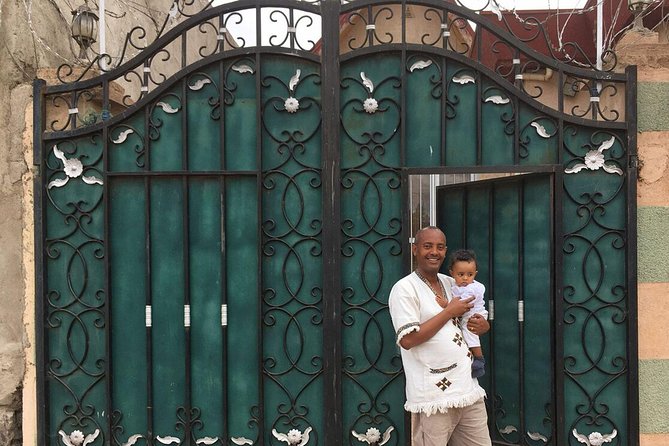
- A family-led experience: Tigist learned to cook from her mother, while Daniel brings more than a decade of tourism experience.
- Hotel transfers included: Pickup and drop-off help simplify a 3:30 pm start in Addis Ababa.
- Vegetarian and dietary needs welcomed: Tell the hosts about allergies, restrictions, or food preferences when you book.
Entering a Home Kitchen in Addis Ababa
This experience begins with hotel pickup at about 3:30 pm. That simple detail matters in Addis Ababa, where arranging transport for a private home visit can otherwise add work to your day. You provide your hotel name and address when booking, then Daniel and Tigist arrange the transfer to their home and return you afterward.
The class takes place in their home kitchen, not in a commercial cooking school. That changes the feel of the afternoon. You are meeting a family in their own setting and sharing food in a way that feels closer to being invited for dinner than attending a standard demonstration.
Daniel and Tigist come from Ethiopia’s Oromia region, but their cooking covers food from around the country. You should expect pan-Ethiopian cooking rather than a lesson limited to one regional menu. That is a useful distinction if you want a broader introduction to Ethiopian cuisine during a short stay.
If your visit falls on a weekend, Daniel and Tigist’s three boys may also be around. This is part of the home setting, but it also means the atmosphere may feel more like family life than a carefully staged class. I see that as a benefit for most people, though anyone seeking a quiet, formal cooking lesson should know what they are booking.
More Ethiopian coffee experiences in Addis Ababa:
- Ethiopian Culinary Tour – Market, Food, Coffee Ceremony & more
★ 5.0 · 65 reviews - Market Tour and Cooking Class with a Coffee Ceremony at a Home in Addis Ababa
★ 5.0 · 32 reviews - Vintage Coffee Shops, Restaurants, Sightseeing in Addis Ababa
★ 5.0 · 17 reviews
Tigist’s Lessons in Shiro, Tibs, and Injera
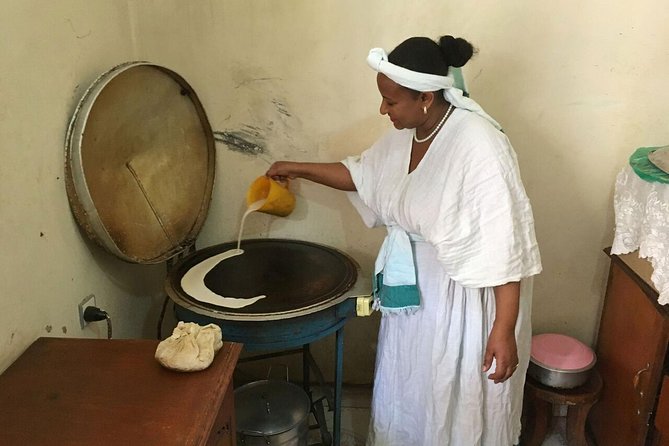
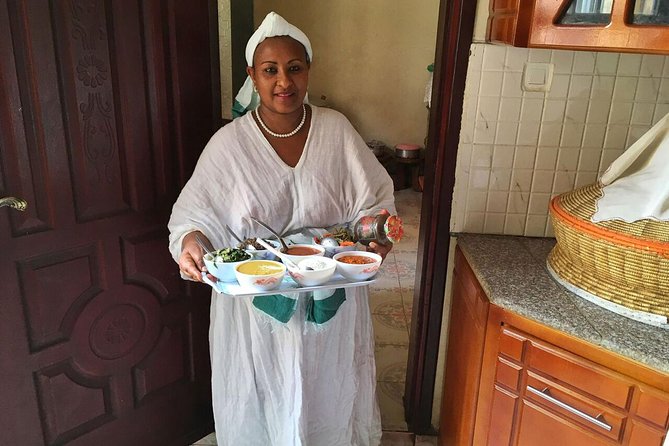
The cooking portion lasts about 1.5 to 2 hours. Tigist leads the practical work, drawing on the cooking skills she learned while helping her mother as a child. After marrying Daniel, she ran her own kitchen, so the lesson comes from everyday experience rather than a restaurant training format.
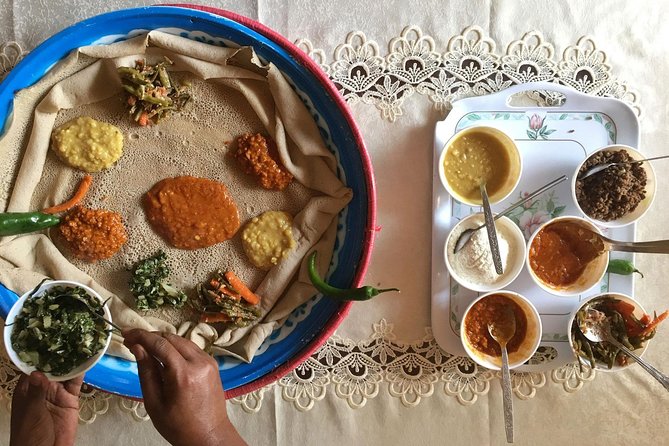
One possible dish is shiro, a thick stew made from chickpea or broad bean flour. It is an important Ethiopian comfort food and a good introduction to the way legumes are used in the country’s cooking. Another possibility is tibs, stir-fried meat cooked with vegetables and spices.
The menu varies with the season, so you should not book expecting one guaranteed set of dishes. The flexibility is useful because it lets the hosts cook with ingredients that suit the time of year. If you have your heart set on an additional dish, you can request it in advance, but expect the cooking session to last longer.
The star lesson is likely to be injera. This soft, spongy flatbread is both a staple and a utensil in Ethiopian meals. Tigist shows you how to pour and cook it, a task that looks simple but requires a feel for batter, heat, and timing.
You will not just watch a finished plate appear. The class is designed to involve you in the preparation. Still, the exact amount of hands-on work can depend on the dish and the flow of the session. If you want to make an extra recipe, say so before booking rather than asking at the last minute.
Vegetarians can take part, but you need to request the vegetarian option when booking. The same applies to allergies, dietary restrictions, and cooking preferences. This is especially important here because the menu is not fixed.
The Meal Makes the Lesson Make Sense
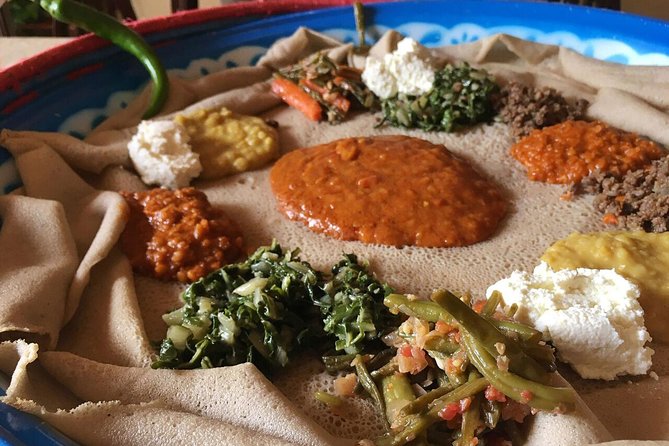
After the cooking, you eat what you have prepared with your hosts. That meal is an important part of the experience. Ethiopian food is often understood best when you see how the dishes work together, how injera is used, and how shared eating shapes the table.
The included meal gives the class a clear payoff. You are not simply learning a recipe for later use. You are tasting the food in the setting where it is normally enjoyed, with Daniel and Tigist available to explain ingredients and customs.
Bottled water, coffee, and tea are included, along with the meal and standard gratuities. Alcoholic drinks are not included. If you want alcohol, you should treat that as a separate expense and confirm what is possible rather than assuming it forms part of the home meal.
The menu can change, which is worth remembering if you have limited food preferences. For adventurous eaters, that variety is part of the appeal. For anyone who needs a very specific meal, early communication is essential.
Roasting Coffee in Its Place of Origin
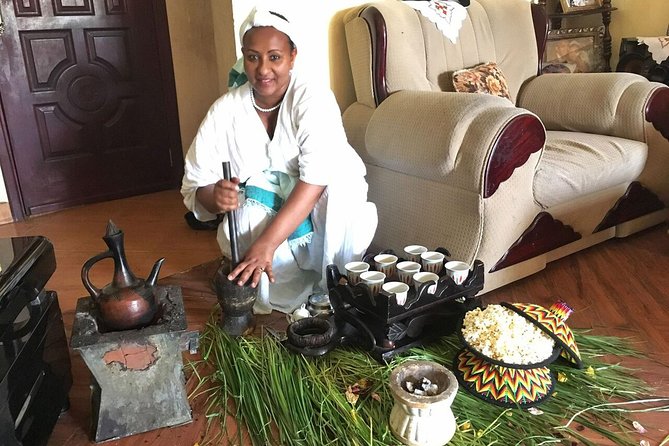
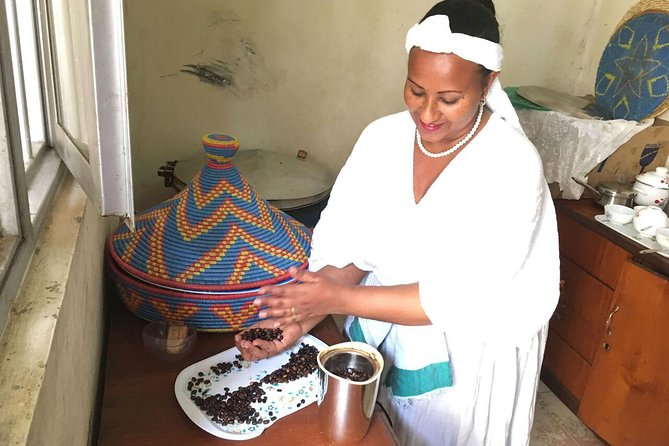
The coffee portion follows the food lesson. You roast coffee beans yourself, then take part in a traditional Ethiopian coffee ceremony. Ethiopia is widely identified here as coffee’s birthplace, so this is not just a beverage tasting added at the end of a cooking class.
Roasting gives you a better sense of the work behind the cup. You see the beans before they become the dark, fragrant coffee served at the ceremony. The activity connects the everyday drink with an Ethiopian tradition that is social, patient, and tied to hospitality.
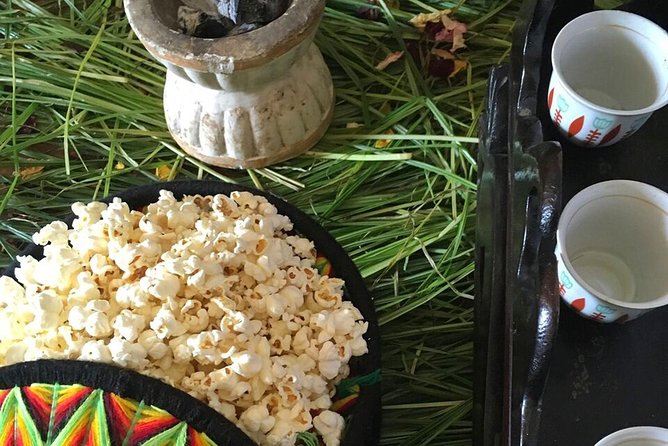
The ceremony also gives the afternoon a change of pace after cooking. Instead of rushing from one recipe to another, you have time to sit, drink, and talk. Coffee is the bridge between the food and the wider cultural conversation Daniel likes to have with visitors.
You should not expect a technical barista workshop. The emphasis is on roasting beans and taking part in a traditional ceremony at home. If you want to understand coffee as part of Ethiopian life, this is more relevant than a standard café stop.
More cooking classes in Addis Ababa:
- Unique Ethiopian Cooking Class and Coffee Ceremony with a Local in Addis Ababa
★ 4.5 · 7 reviews - Addis abeba Full Cooking class.
★ 5.0 · 6 reviews
Daniel Adds Context Beyond the Recipes
Daniel has a master’s degree in social anthropology and has worked in tourism for more than a decade. He speaks English very well and enjoys discussing subjects ranging from food and history to politics.
That background gives the afternoon more range than a recipe lesson alone. You can ask why certain foods matter, how regional cooking differs, or what daily life is like in Ethiopia. The supplied experience also includes an inside look at Daniel’s neighborhood in the hills on the outskirts of Addis Ababa, which gives the visit a stronger sense of place than a meal held in a central restaurant.
The neighborhood visit is one of the most distinctive elements connected with this experience. Details about its length and exact route are not provided, so you should view it as part of the host interaction rather than a separate guided sightseeing stop.
Daniel’s role also helps if you are visiting Ethiopia for the first time. A host who works in tourism can help place the meal in a larger national context, while Tigist keeps the food practical and personal. Their roles complement each other without turning the afternoon into a formal lecture.
What the Four-Hour Schedule Really Gives You
The total duration is about four hours. With a 3:30 pm start, pickup, cooking, the meal, coffee roasting, and the ceremony, this is an afternoon and early evening commitment.
That timing works well if you have already spent the morning sightseeing. It also gives you a relaxed food-focused activity without using an entire day. The class itself takes roughly 1.5 to 2 hours, leaving time for eating, conversation, coffee, and transfers.
The exact sequence may vary. Cooking requires attention, and an additional requested dish extends the session. You should avoid booking another fixed activity immediately afterward, especially if you want time to talk with the hosts.
Hotel pickup and drop-off are included, which adds practical value. You do not need to find the home independently or arrange a return ride after the meal. Remember to provide complete hotel details when booking, since the transfer depends on that information.
This is a private activity, so only your group participates. That makes it a better fit for couples, families, and small groups who want to ask questions freely. It also means you are paying for a more personal experience rather than a low-cost group class.
Is $154 a Fair Price?
At $154 per person, this is not a bargain cooking class. The price makes more sense when you add together the private format, hotel transfers, a meal, drinks, the coffee ceremony, and direct time with two local hosts.
You are also paying for access to a home and for the conversation around the food. A commercial class might offer a more predictable menu or a lower rate, but it would not necessarily include a family visit, neighborhood context, and a host with Daniel’s travel and academic background.
Value depends heavily on your priorities. If you only want to learn one Ethiopian recipe as cheaply as possible, this is probably too expensive. If you have limited time in Addis Ababa and want food, coffee, local conversation, and transport in one afternoon, the package is easier to justify.
The rating is 4.9 from 14 reviews, with 100 percent recommending the experience. That is a small sample, so I would not treat it as proof that every visitor will have the same afternoon. Still, the repeated strengths are clear: the warmth of Daniel’s family, the cooking, and the chance to understand the neighborhood and Ethiopian culture through conversation.
Who Will Enjoy This Most?
I would recommend this to you if you value direct contact with local people more than a polished tourist facility. It suits curious eaters, coffee fans, first-time visitors to Ethiopia, and anyone who wants a meaningful afternoon in Addis Ababa without arranging several separate activities.
Families may also appreciate the private format, especially if children enjoy cooking and meeting a local family. Weekend visits may include Daniel and Tigist’s sons, which can make the setting feel more personal.
The class is also a strong choice for visitors who want to ask questions. Daniel is comfortable discussing food, history, politics, and cultural differences, so the conversation can go beyond what is written in a recipe.
I would hesitate if you dislike uncertain menus, need a tightly controlled schedule, or prefer restaurant-style service. You should also think twice if $154 feels too high for four hours, even with transport and food included. The value rests in the personal setting and conversation, not just the number of dishes you prepare.
Booking Details to Handle Beforehand
Confirmation is provided at booking, and the experience is offered as a private, personalized activity. You should give the correct hotel name and address for pickup and mention all allergies, dietary restrictions, vegetarian requirements, and cooking preferences at that stage.
The cancellation policy is strict close to the start time. You receive a full refund if you cancel at least two full days before the local start time. Cancellations or changes within two days are not refunded or accepted.
You can also request another dish in advance. Keep in mind that an extra recipe adds cooking time, so the activity may run longer than the usual four hours.
Should You Book This Addis Ababa Cooking Experience?
Book it if you want an afternoon built around a real family, a home kitchen, Ethiopian food, and conversation. The combination of Tigist’s cooking instruction, Daniel’s cultural background, coffee roasting, and hotel transfers gives you much more than a meal.
The best reason to choose it is the setting. You are not simply learning that injera is important or hearing that Ethiopia is associated with coffee. You are handling the food, eating it with local hosts, and taking part in a coffee ceremony at home.
Skip it if you want a cheap, highly standardized class with a guaranteed menu. For everyone else, especially visitors with only a short time in Addis Ababa, this is a thoughtful way to connect food with Ethiopian family life and culture.
FAQ
Where does the cooking class take place?
The class takes place in Daniel and Tigist’s home kitchen in Addis Ababa. It is a private home visit rather than a commercial cooking class.
What time does the experience start?
The listed start time is 3:30 pm. The complete experience lasts about four hours, including cooking, the meal, coffee activities, and transfers.
Which Ethiopian dishes will I learn to make?
The menu may include shiro, a chickpea or broad bean stew, tibs, stir-fried meat with vegetables and spices, and injera. The menu can change with the season.
Is a vegetarian option available?
Yes. A vegetarian option is available, but you must advise the hosts when booking.
Can I tell the hosts about allergies or dietary restrictions?
Yes. You should provide details about allergies, dietary restrictions, and cooking preferences when you make the booking.
Are hotel transfers included?
Yes. Hotel pickup and drop-off are included. You need to provide your hotel name and address when booking.
Can I cancel for a full refund?
You can receive a full refund if you cancel at least two full days before the experience start time. Cancellations or changes made within two days are not refunded or accepted.
More Hands-On Workshops in Addis Ababa
- Addis Ababa City Tours With Cocking Class of Ethiopian Food
★ 5.0 · 20 reviews - Ethiopia coffee cupping class/Ethiopian food injera making
★ 5.0 · 10 reviews
Just added around Addis Ababa
- Best of Addis Privet Guided city Tour★ 5.0 · 6 reviews
- Debre Libanos Monastery & Scenic Portuguese Bridge Tour★ 5.0 · 4 reviews
- Addis Night Life yod Abissinia★ 3.8 · 4 reviews
- Day trip Adadi Mariam, Melka Kunture and Tiya stele★ 3.1 · 5 reviews
- Addis Ababa: Entoto hill and Mercato Market layover tour★ 5.0 · 5 reviews
- A perfect day trip to Lake wenchi from Addis Ababa★ 5.0 · 3 reviews
- Addis Ababa city tour from Bole airport and All Hotels★ 4.0 · 3 reviews
- Addis Ababa Essentials: Flexible Full-Day City Sightseeing★ 5.0 · 3 reviews
Coffee Experiences, compared.
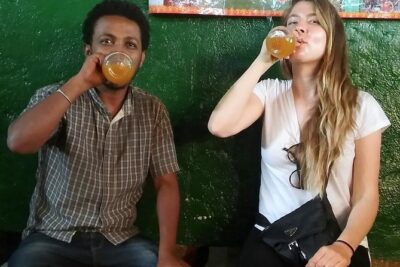
Ethiopian Culinary Tour – Market, Food, Coffee Ceremony & more
Read our review →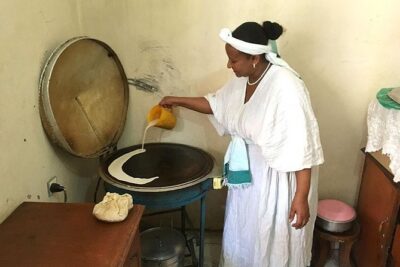
Market Tour and Cooking Class with a Coffee Ceremony at a Home in Addis Ababa
Read our review →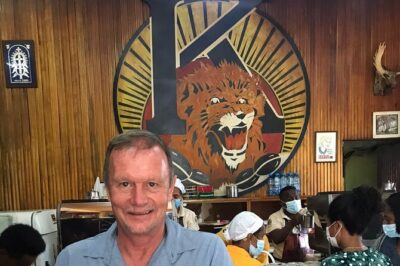
Vintage Coffee Shops, Restaurants, Sightseeing in Addis Ababa
Read our review →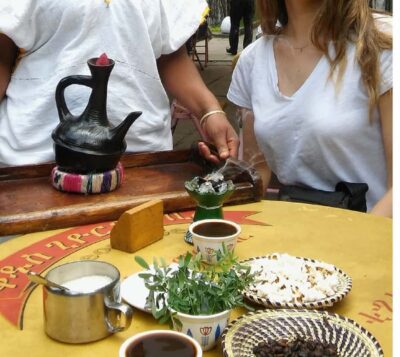
Ethiopian Culinary Tour – Market, Coffee Ceremony and More
Read our review →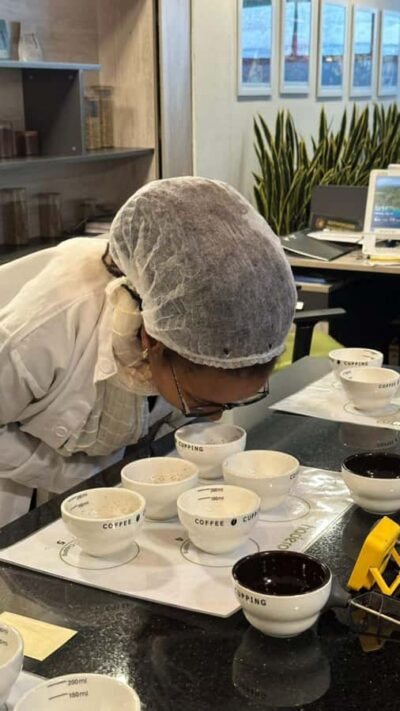
Ethiopia coffee cupping class/Ethiopian food injera making
Read our review →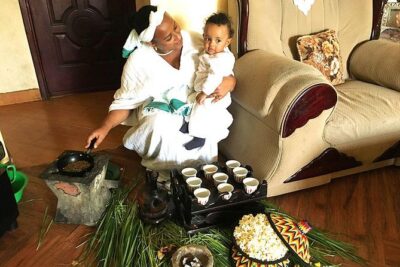
Unique Ethiopian Cooking Class and Coffee Ceremony with a Local in Addis Ababa
Read our review →Browse the lists this tour appears in