
Reviewed · TRIBAL TOURS
Omo valley Tour: Discover unique 0 century 🕛 tribes culture
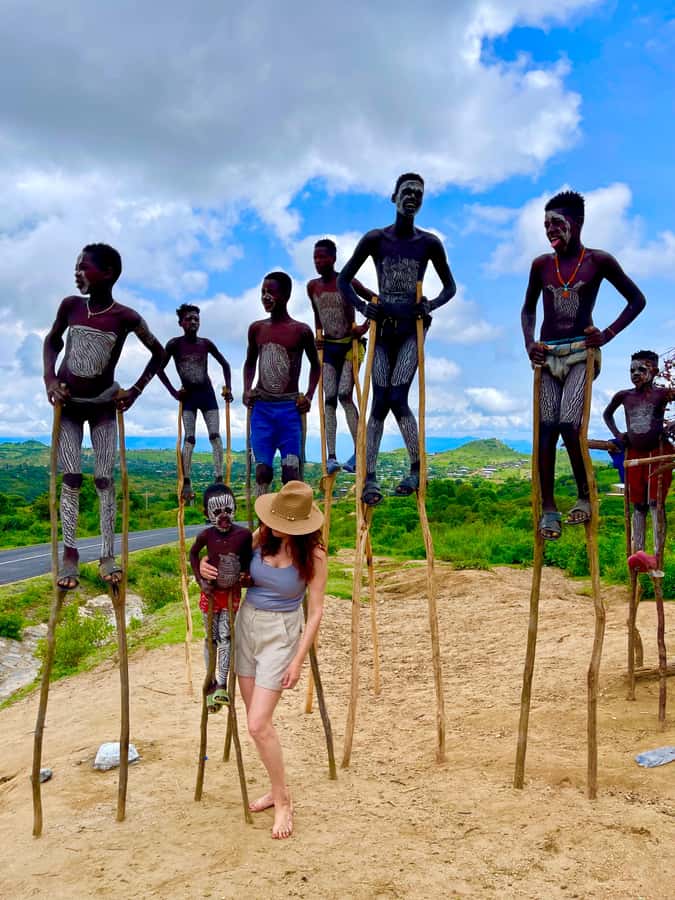
The real draw here is the chance to meet several Omo Valley communities in a short trip, not simply drive past them. A three-day route takes you from Jinka to Hamar country, the Karo villages along the Omo River, Dimeka market, and Mursi country in Mago National Park. Bull jumping, body painting, distinctive dress, and daily trading give the trip plenty of memorable moments.
I like the flexible setup and the fact that transport, guides, park fees, meals, water, lodging, and even a river boat are included. I also like the personal scale: private or small groups are available, and Kali is described as attentive to individual needs, with driver Elias praised as an enjoyable companion. The main drawback is the long, rough travel between communities, so this is not a soft, leisurely holiday, and village visits require respectful expectations rather than a staged show.
Key points at a glance
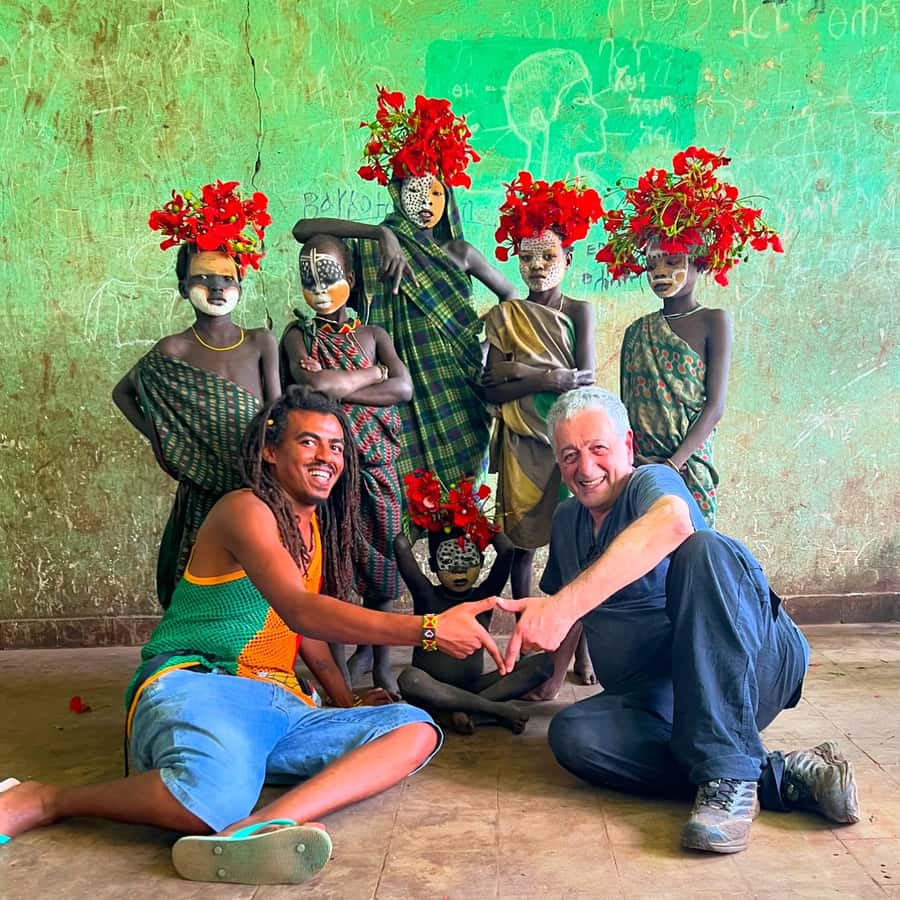
- Hamar country on day one: Learn about Hamar body scarring, clay-shaped hairstyles, and the bull-jumping tradition before spending the night near Turmi.
- Dimeka market on Saturday: See Hamar, Bana, Karo, Dasenech, and Tsemay people buying and selling goods and cattle.
- Karo by the Omo River: Meet an agro-pastoral community known for striking body painting.
- Mursi in Mago National Park: Visit a Mursi village about 66 kilometers from Jinka and learn about lip plates, cattle, and local customs.
- A practical all-inclusive price: The $500 per-person cost covers major touring expenses, though you should still carry some cash.
- Flexible routing: Pickup can be arranged from Addis Ababa, Jinka, Arba Minch, Mekelle, or Semera, with several possible drop-off airports.
Why this Omo Valley route is worth your time
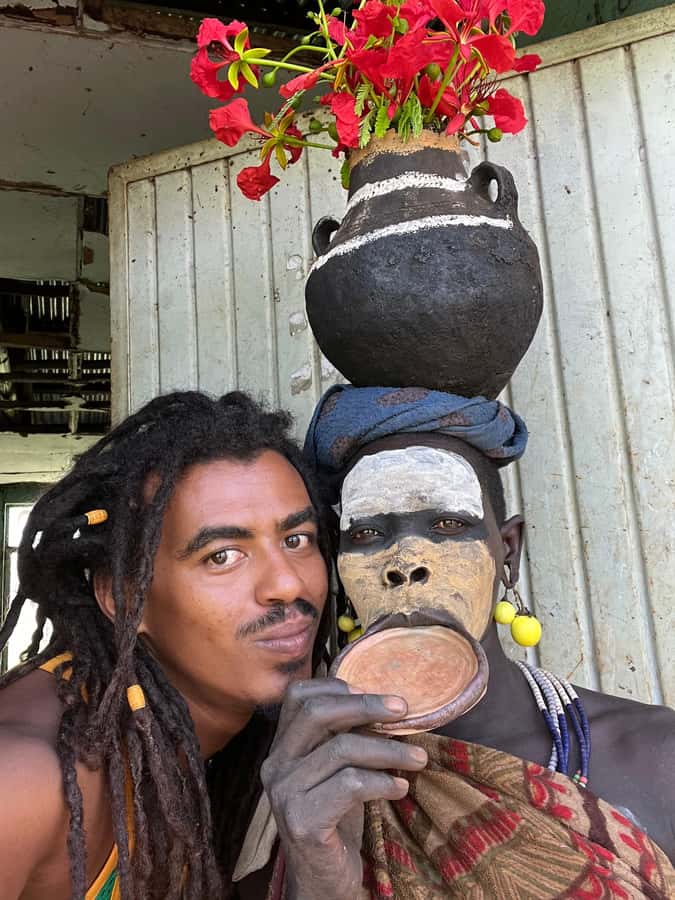
The Omo Valley is best understood through its people, not from a car window. This tour takes you into communities with different languages, clothing, body decoration, livelihoods, and social customs. In three days, you get a useful first look at that variety.
I especially like the way the route mixes village visits with a market day and national park access. The market gives you a wider view of regional life, while the village stops allow more focused encounters. You are not only ticking off names on a map. You are seeing how people trade, raise cattle, decorate their bodies, and organize daily life.
Still, keep your expectations grounded. This is a remote part of Ethiopia, and the roads between Jinka, Turmi, the Omo River, and Mago National Park take time. The trip is built around access and cultural contact, not polished facilities. That tradeoff is part of the experience, but it matters when deciding if a short three-day schedule suits you.
More Omo Valley tribal trips:
- 6 Days Omo Valley Tribes Tours From Addis Ababa
★ 5.0 · 33 reviews - 5 Day Private tour to the Omo Valley Tribes and Adventure Tour
★ 5.0 · 11 reviews - Omo Valley Tribes 6 Days Tours
★ 4.9 · 10 reviews
Day one: from Jinka to Turmi and the Hamar people
The three-day plan begins with pickup in Jinka, including airport pickup if you arrive there. After lunch, you drive toward Turmi to meet the Hamar people. This first day is often the emotional center of the trip because the Hamar have several customs that are particularly recognizable to outsiders.
You learn about body scarring, clay used in shaping hairstyles, and the bull-jumping ceremony associated with a young man’s path toward marriage. The schedule says you may attend a ceremony, but exact events depend on local timing. Do not assume a bull jump will take place on every departure.
The bull-jumping tradition is important to approach with care. It is not a performance arranged only for visitors. Your guide can help explain what you are seeing and how to behave. Ask before taking photographs, follow local instructions, and remember that people are not costumes or props.
Overnight arrangements are listed as either camping with the Hamar or staying at an eco-lodge inside a Hamar village. That gives you an unusual choice. Camping offers closer contact with the setting, while the lodge may feel easier if you want a proper bed after a full road day. Confirm the exact option before you pay, especially if comfort is a deciding factor.
Day two: Karo villages and Dimeka market

After breakfast, the route heads toward the Karo people, who live along the Omo River. The Karo are agro-pastoralists, meaning cattle and farming both matter to their way of life. They are also known for body painting, so this stop gives you a different visual and cultural experience from the Hamar visit.
I would give this part of the day time rather than treating it as a quick photo stop. The value is in hearing how the guide explains Karo life and in noticing the differences between communities. A local guide can also help you avoid clumsy questions or unwanted photographs.
The schedule includes a stop at Saturday Dimeka market, described as one of the largest Hamar markets in the area. People from several communities, including Hamar, Bana, Karo, Dasenech, and Tsemay, come to trade goods and cattle. This is one of the strongest parts of the route because it brings several groups together in one place.
Market days also bring practical advantages. You see commerce rather than only ceremonial customs. You may find food, household goods, clothing, livestock, and regional products, although the exact mix changes from week to week. Carry some cash as advised, but do not expect every purchase to work like a normal tourist transaction.
After the market and Karo visit, you return to Jinka for the night. That return makes the second day busy, and you should expect substantial road time. The reward is variety: one day gives you a Hamar village and ceremony possibilities, while the next adds a major market and a Karo community.
Day three: Mago National Park and a Mursi village
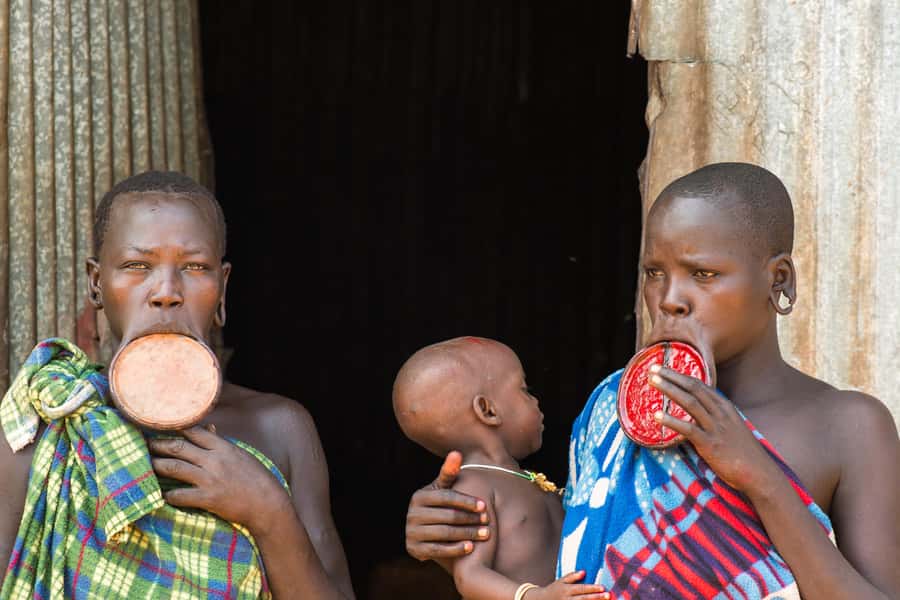
The final morning takes you toward a Mursi village in Mago National Park, about 66 kilometers from Jinka. The package includes the park entry, a local guide, and a scout inside the park. Those services matter because the visit involves both community etiquette and a protected natural area.
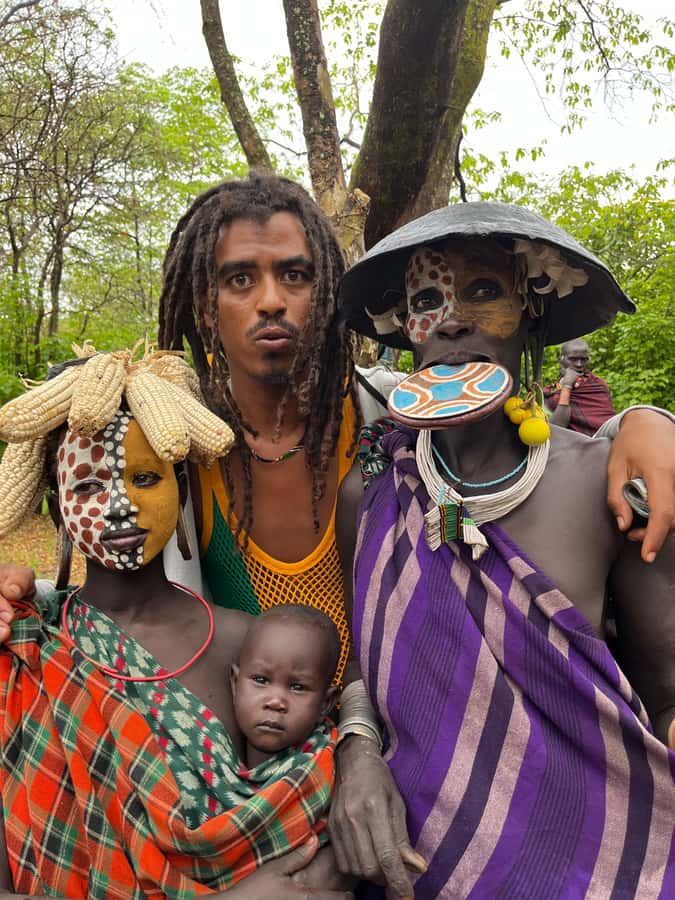
The Mursi are widely known for lip plates and ear-lobe plates. These forms of body modification carry cultural meaning, and your visit should focus on listening and learning rather than treating them as curiosities. Your guide is there to explain the context and help you interact appropriately.
The tour information also describes a Mursi cattle practice in which blood is taken from a cow without killing it. A small opening is made, and traditional treatment is used to stop the bleeding. You might hear about this practice or see it during the visit, but the schedule should not be read as a promise that every activity will happen in front of you.
The Mursi visit can be powerful, but it may also feel more exposed than a museum visit. You are entering a living community, and the quality of the encounter depends heavily on respectful behavior, clear guidance, and your own attitude. Go with patience. Ask permission for portraits and accept a no without argument.
The listed three-day route finishes in Jinka. If you need to fly onward, drop-off arrangements can also be made at Jinka, Semera, Mekelle, or Arba Minch airports. The final destination should be confirmed when booking because these airports are far apart and affect the practical shape of your trip.
A few more Omo Valley trips worth weighing up
- 3 Days Omo Valley Tour
★ 5.0 · 24 reviews - 5 Days Omo Valley Tours
★ 5.0 · 15 reviews - 6 Days Lalibela, Omo Valley and Harar
★ 5.0 · 15 reviews - Private Omo Valley Tours From Addis Ababa
★ 5.0 · 12 reviews
What the $500 price includes
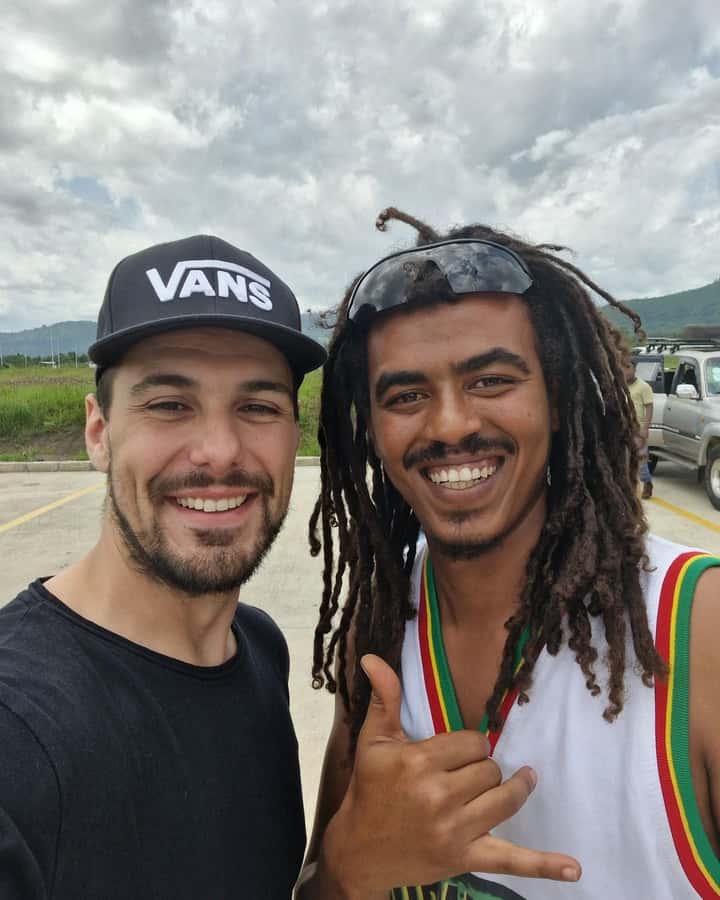
At $500 per person, the tour is not just a guide-and-car package. The stated inclusions cover hotel pickup and drop-off, airport transfers from Jinka, village entry tickets, local guides, park entry for Mago, Nech Sar, and Omo national parks, a park scout, three meals a day, unlimited mineral water, a boat for crossing the Omo River, accommodation, camping equipment, and camping fees.
That is a useful amount of coverage for a remote multi-day trip. Park fees, village access, meals, and transport can add up quickly when arranged separately. The value is strongest if you use the included transfers and stay with the planned route.
The price does not include alcoholic drinks. You should also carry some cash, as the practical information advises. No separate budget is stated for other personal spending, so I would ask the operator what extra costs you may face before departure, especially if you request a longer or heavily modified itinerary.
The listed price is for one person, but the final value may depend on group size and accommodation. A private trip gives you more control over timing and stops. A small group may reduce the cost per person or simply make the drive more social, but the exact pricing difference is not provided.
Guides, vehicles, and the feel of the trip
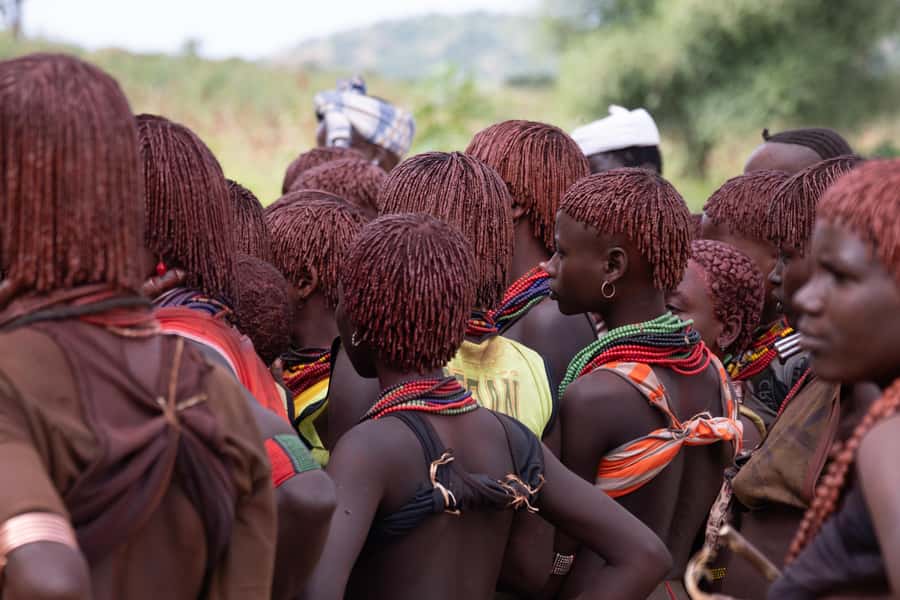
Kali Omo Valley operates from the Jinka and Arba Minch area. Kali is identified as the main guide, and Elias is named as the driver on one three-day trip. If you specifically want Kali or Elias, ask for confirmation rather than assuming both will be assigned.
The guiding approach is presented as personal and flexible. You can request a private or small-group trip, and the company says it can arrange anything from a short day trip to a longer stay of up to 20 days. The advertised activity duration is two to seven days, while the longer custom option is described separately, so ask for a clear day-by-day plan if you are staying beyond a week.
The vehicle is described in the touring feedback as comfortable, but no model or road specification is given. That means I would focus less on luxury and more on the condition of the vehicle, luggage space, air conditioning, and the number of people sharing it. Those questions matter on long drives in southern Ethiopia.
The tour offers guides in English, Amharic, Arabic, Chinese, Dutch, French, Italian, Japanese, and Spanish, plus an optional English audio guide. Confirm the language you need before booking, since the availability of every listed language may depend on the date and guide.
Ethical travel in communities

The company says it aims to support fair wages, ecological care, and respect for people and animals. Those are good principles, but the practical details are just as important. Ask how village fees are distributed, how photography is handled, and how the guide helps visitors avoid disrupting ceremonies or daily work.
The strongest ethical choice you can make is simple: ask permission before taking portraits, do not pressure anyone to pose, and listen when your guide gives instructions. Dress and behavior should be modest and calm. You are visiting homes and communities, not entering a theme park.
The company also says it avoids harm to nature and other living beings. That fits well with the national park visits, but you should still follow the scout’s instructions, avoid leaving rubbish, and stay within permitted areas. A responsible visit protects your experience as well as the place you came to see.
Who will enjoy this tour most
I would recommend this trip to you if you want a concentrated introduction to Omo Valley cultures and are willing to accept basic conditions, long drives, and a busy schedule. It suits photographers, culturally curious visitors, and people who prefer a local guide to independent logistics.
It also works well if you have limited time. The three-day route covers Hamar, Karo, Mursi, Dimeka market, Jinka, and Mago National Park. A longer version may be better if you want more rest or wish to include additional communities such as Ari, Dasenech, Bana, or Tsemay.
This is not the right match if you need a slow resort-style holiday or dislike changing accommodation. Pregnant women are specifically advised not to take the activity. Anyone with mobility concerns should discuss the route in advance, even though wheelchair access is listed, because the tour includes village visits, park travel, camping options, and a boat crossing.
Booking and practical planning
You can arrange pickup from Bole International Airport or a hotel in Addis Ababa, as well as from Jinka, Arba Minch, Mekelle, or Semera airports. That flexibility helps if the Omo Valley is part of a wider Ethiopia trip, but your arrival and departure points will shape the amount of road travel.
The activity offers free cancellation up to 24 hours before departure and a reserve-now, pay-later option. These policies are useful when flights are still moving, but you should still confirm the exact start time and pickup point.
Bring your passport or another accepted ID, some cash, and clothing suitable for hot outdoor touring. Water is included, which is helpful on long drives. If you want camping, ask what equipment is supplied and what personal items you should bring.
Should you book the Kali Omo Valley tour?
Book it if you want several major Omo Valley encounters in one organized trip, especially the Hamar visit, Saturday Dimeka market, Karo community, and Mursi village. The $500 price offers solid value because it includes transport, food, water, lodging, park access, local guides, a scout, and camping costs.
Choose a private or longer itinerary if you want more time with each community and less pressure between stops. For a short first visit, the three-day plan is efficient but demanding. Go with an open mind, use your camera carefully, and treat every village visit as a meeting with people who have their own lives, not as a collection of unusual pictures.
FAQ
How long is the Omo Valley tour?
The advertised activity lasts two to seven days. A detailed sample route covers three days and two nights, while custom private or group trips can be arranged for longer stays.
What communities can I visit?
The route includes Hamar, Karo, and Mursi visits. The Dimeka market brings together Hamar, Bana, Karo, Dasenech, and Tsemay communities. One trip can also be arranged around other communities depending on your time and budget.
Where can pickup and drop-off take place?
Pickup can be arranged from Bole International Airport or a hotel in Addis Ababa, as well as Jinka, Arba Minch, Mekelle, or Semera airports. Drop-off can be arranged at Jinka, Semera, Mekelle, or Arba Minch airports.
What is included in the $500 price?
The price includes hotel and airport transfers from Jinka, village entry tickets, local guides, entry to Mago, Nech Sar, and Omo national parks, a park scout, three meals daily, unlimited mineral water, a boat to cross the Omo River, lodging, camping materials, and camping fees.
Is this a private tour or a group tour?
You can book a private tour or join a small group. The provider also says it can create trips around your available time and budget.
What should I bring?
Bring your passport or ID card and some cash for personal needs. Alcoholic drinks are not included. Pregnant women are advised not to take this activity.
Just added around Omo Valley
- From Arba Minch: 4-Day Omo Valley Tribal Guided Tour★ 5.0 · 5 reviews
- 6 Days Omo valley Tribal Tour (Starts Arba Minch End Jinka)★ 5.0 · 7 reviews
- 3 Days Omo Valley Tours From Jinka★ 5.0 · 7 reviews
- 5 Days Omo Valley Tribal Tours★ 5.0 · 7 reviews
- From Jinka: Omo Valley Tribe 3-Day Tour★ 5.0 · 9 reviews
- 5 days Omo valley★ 5.0 · 9 reviews
- 5 Day Private tour to the Omo Valley Tribes and Adventure Tour★ 5.0 · 11 reviews
- Omo Valley Tribes 6 Days Tours★ 4.9 · 10 reviews
Tribal Tours, compared.
6 Days Omo Valley Tribes Tours From Addis Ababa
Read our review →
9 Days Tours To Danakil Depression, Simen MNP, Lalibela With Omo Valley Tribes
Read our review →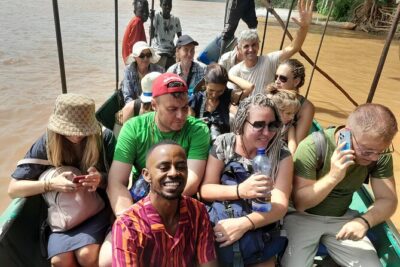
5 Day Private tour to the Omo Valley Tribes and Adventure Tour
Read our review →


6 Days Omo valley Tribal Tour (Starts Arba Minch End Jinka)
Read our review →
Browse the lists this tour appears in